Jamie Oliver Turkey Stew Recipe for Cozy Family Dinners
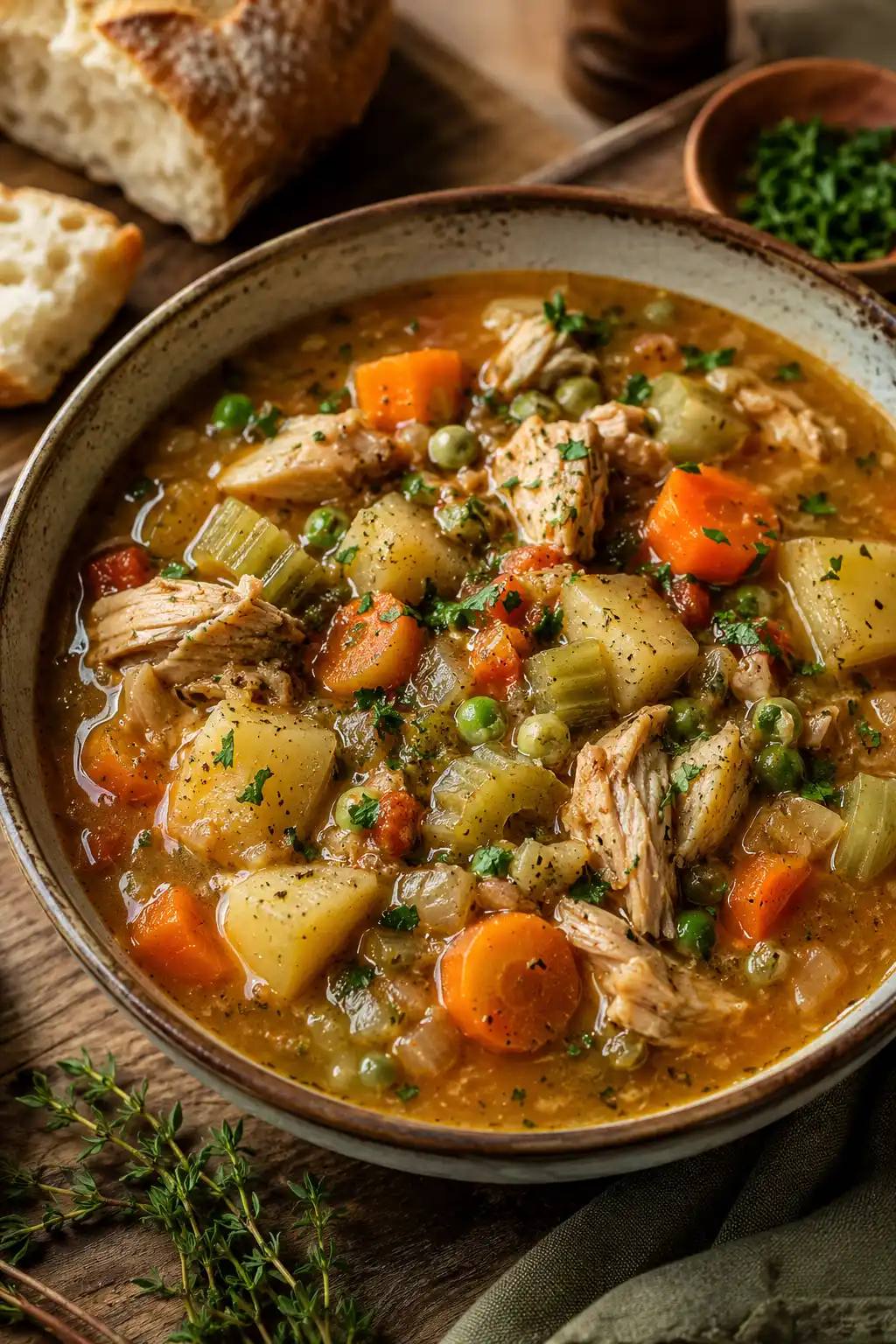
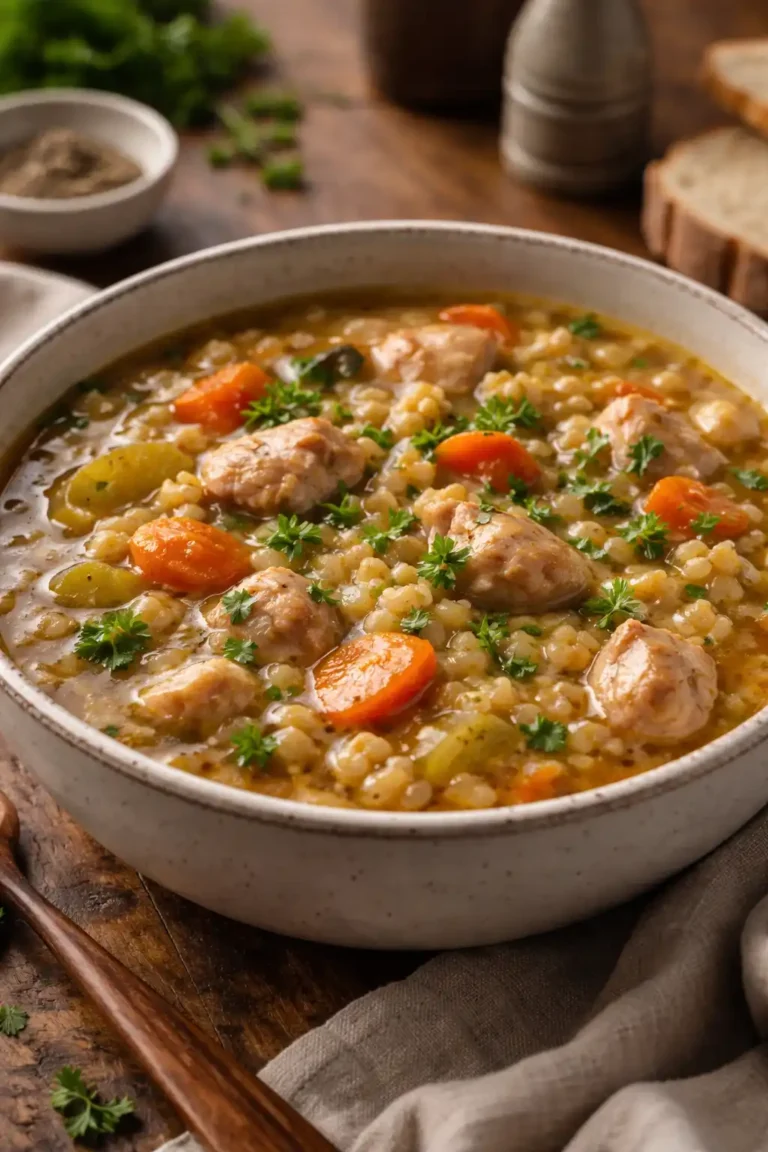
A hearty turkey stew is one of those comforting meals that fits almost any season. Inspired by the rustic cooking style of Jamie Oliver, this dish combines tender turkey, fresh vegetables, herbs, and a rich broth into a satisfying family dinner. Unlike heavy stews that rely on excessive cream or butter, this version keeps the flavors balanced and wholesome while still delivering deep comfort in every spoonful.
The beauty of this recipe lies in its flexibility. It works equally well for busy weeknights, cozy weekends, or even holiday leftovers. Moreover, it allows home cooks to use simple pantry ingredients without sacrificing flavor. The slow simmering process creates a rich texture, while the vegetables absorb all the savory goodness from the broth.
Throughout this guide, readers will discover everything needed to prepare a flavorful turkey stew successfully. From ingredient selection to cooking techniques, storage advice, serving ideas, and expert tips, every section contributes to creating a reliable and delicious meal that feels homemade and comforting.
Why This Turkey Stew Stands Out
Turkey stew often gets overlooked in favor of chicken or beef recipes. However, turkey provides a leaner yet equally satisfying option. This particular version embraces rustic cooking techniques that focus on fresh ingredients and natural flavors instead of overly processed shortcuts.
Several features make this stew especially appealing:
- It delivers rich flavor without feeling too heavy
- Turkey becomes incredibly tender during simmering
- Root vegetables create natural sweetness
- Herbs add freshness and depth
- The broth thickens naturally while cooking
- Leftovers taste even better the next day
In addition, the recipe adapts easily to different dietary preferences. Some cooks prefer adding potatoes for a heartier texture, while others increase the vegetable content for a lighter meal. Because of this flexibility, the dish suits families with varying tastes.
Another advantage involves affordability. Turkey often costs less than beef, especially when using leftover roasted meat. Consequently, the recipe becomes both budget-friendly and practical for larger households.
The combination of nutrition, flavor, and simplicity explains why rustic turkey stew recipes continue to remain popular in home kitchens around the world.
Ingredients Needed for the Stew
The success of any stew depends heavily on ingredient quality. Fresh vegetables, good stock, and properly seasoned turkey all contribute to the final flavor.
Main Ingredients
| Ingredient | Quantity | Purpose |
|---|---|---|
| Turkey breast or thigh | 700g | Main protein |
| Olive oil | 2 tablespoons | For sautéing |
| Onion | 1 large | Flavor base |
| Garlic cloves | 3 | Adds depth |
| Carrots | 3 medium | Sweetness and texture |
| Celery sticks | 2 | Savory balance |
| Potatoes | 3 medium | Heartiness |
| Turkey or chicken stock | 1 liter | Cooking liquid |
| Tomato paste | 1 tablespoon | Richness |
| Fresh thyme | 1 teaspoon | Herbal flavor |
| Bay leaves | 2 | Aromatic depth |
| Salt | To taste | Seasoning |
| Black pepper | To taste | Mild heat |
| Frozen peas | 1 cup | Color and sweetness |
| Parsley | Freshly chopped | Garnish |
Although these ingredients form the classic base, variations are always possible. Some cooks include mushrooms for extra earthiness, while others add parsnips or sweet potatoes for seasonal flavor.
Using homemade stock can elevate the stew significantly. Nevertheless, good-quality store-bought broth still produces excellent results when seasoned carefully.
Choosing the Best Turkey Cuts
Not every turkey cut works equally well in stew recipes. Therefore, selecting the right portion greatly improves texture and flavor.
Turkey Thighs
Turkey thighs contain more fat and connective tissue, making them ideal for slow cooking. As the meat simmers, it becomes tender and juicy while enriching the broth naturally.
Turkey Breast
Turkey breast creates a leaner version of the dish. However, it requires more attention because overcooking may dry it out. Cutting the meat into evenly sized chunks helps maintain tenderness.
Leftover Roast Turkey
This option works wonderfully after holiday meals. Since the turkey is already cooked, it should only be added during the later cooking stages. Otherwise, the meat may become overly dry.
Ground Turkey
Although less traditional, ground turkey can create a quicker variation. The texture changes slightly, yet the stew still develops satisfying flavor.
For the richest result, many experienced cooks combine thigh and breast meat together. This balance creates both tenderness and lean protein while improving overall texture.
Step-by-Step Cooking Method
Creating a flavorful turkey stew does not require advanced culinary skills. Instead, patience and proper layering of flavors make the biggest difference.
Preparing the Ingredients
Before cooking begins, all vegetables should be washed, peeled, and chopped evenly. Consistent sizing ensures even cooking throughout the stew.
Helpful preparation tips include:
- Dice onions finely for smoother texture
- Cut carrots into medium chunks
- Chop potatoes slightly larger to prevent mushiness
- Pat turkey dry before browning
- Measure herbs beforehand for convenience
Organizing ingredients ahead of time allows the cooking process to flow smoothly without interruptions.
Browning the Turkey
Heat olive oil in a large heavy-bottomed pot over medium heat. Add turkey pieces in batches rather than overcrowding the pan. Proper browning creates a deeper flavor foundation.
Cook the turkey until golden on all sides, then transfer it to a plate temporarily.
Building the Flavor Base
Add onions, celery, and carrots to the same pot. Stir frequently until softened. Next, add garlic and tomato paste. Cooking the paste briefly intensifies its richness and removes any raw flavor.
Simmering the Stew
Return the turkey to the pot before adding potatoes, herbs, and stock. Bring everything to a gentle boil, then reduce the heat immediately.
Allow the stew to simmer slowly for around 45–60 minutes. During this stage:
- The turkey becomes tender
- Vegetables soften gradually
- Broth thickens naturally
- Herbs release aroma into the liquid
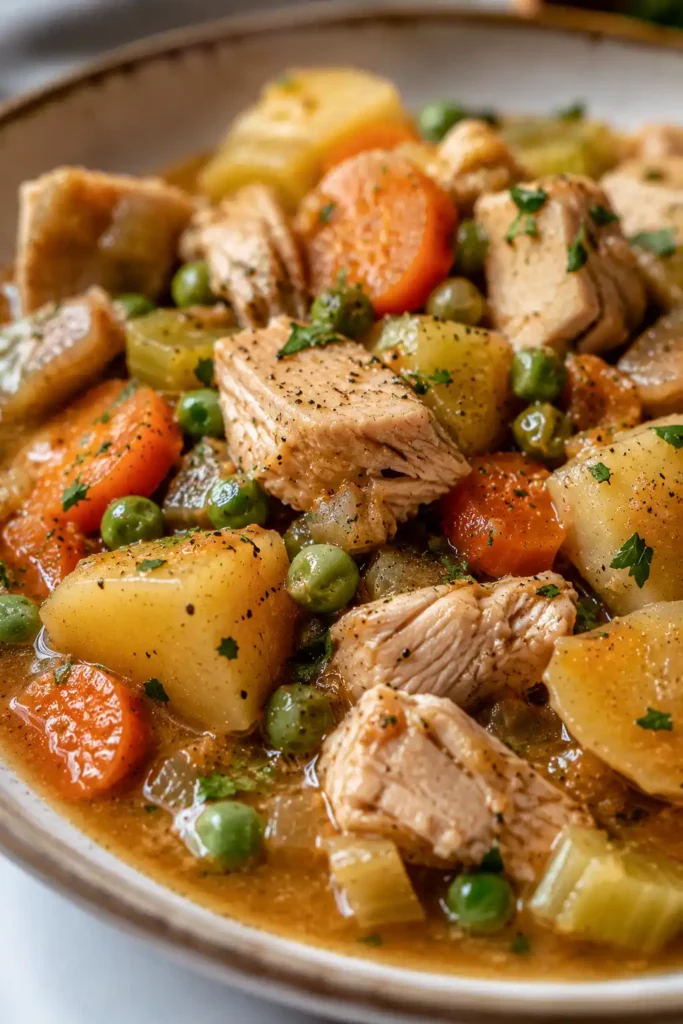
Finally, stir in peas during the last few minutes and adjust the seasoning before serving.
Tips for Achieving Rich Flavor
A good stew depends on balance rather than complexity. Even simple ingredients can taste exceptional when prepared thoughtfully.
Use Fresh Herbs Whenever Possible
Fresh thyme and parsley brighten the overall flavor. While dried herbs work in emergencies, fresh ingredients provide better aroma and complexity.
Brown the Meat Properly
Skipping browning reduces depth significantly. The caramelized bits left in the pot contribute valuable savory flavor once mixed into the broth.
Simmer Slowly
Rapid boiling can toughen turkey and break down vegetables too quickly. Gentle simmering keeps textures balanced and allows flavors to develop gradually.
Season in Stages
Adding salt only at the end may create uneven flavor. Light seasoning during cooking builds a more rounded taste.
Let the Stew Rest
Allowing the stew to sit for 10–15 minutes before serving improves consistency and flavor distribution.
Small details often separate average stews from memorable ones. Consequently, careful attention during each stage produces noticeably better results.
Vegetables That Pair Well With Turkey Stew
Turkey’s mild flavor works beautifully with a variety of vegetables. Therefore, cooks can customize the recipe according to season or preference.
Excellent vegetable additions include:
- Mushrooms for earthy flavor
- Sweet potatoes for subtle sweetness
- Parsnips for depth
- Green beans for freshness
- Leeks for mild onion flavor
- Turnips for rustic character
- Corn for sweetness
- Spinach for extra nutrients
Root vegetables generally hold their shape best during long simmering. Softer vegetables should be added later to prevent overcooking.
Seasonal produce can also enhance freshness. During colder months, squash and parsnips create warming flavors. Meanwhile, spring vegetables such as peas and green beans produce a lighter stew.
This adaptability makes turkey stew useful throughout the year rather than limiting it to winter meals alone.
Best Herbs and Seasonings for the Recipe
Herbs transform a basic turkey stew into something deeply aromatic and satisfying. However, balance remains important because overpowering spices may hide the natural flavor of the turkey.
Recommended Herbs
| Herb | Flavor Profile |
|---|---|
| Thyme | Earthy and savory |
| Rosemary | Bold and fragrant |
| Parsley | Fresh and clean |
| Sage | Warm and comforting |
| Bay leaves | Subtle depth |
Additional Seasoning Ideas
Many cooks enjoy enhancing the stew with:
- Smoked paprika
- Crushed chili flakes
- Black pepper
- Lemon zest
- Worcestershire sauce
A small splash of white wine can also enrich the broth during simmering. Additionally, a touch of Dijon mustard may deepen the savory notes without becoming noticeable.
The goal involves supporting the turkey rather than masking it. Therefore, moderation usually creates the most balanced result.
How to Thicken Turkey Stew Naturally
Some people prefer a lighter broth, while others enjoy a thick, hearty consistency. Fortunately, several natural methods help achieve the desired texture.
Potato Starch Method
As potatoes cook, they release starch naturally into the broth. Slightly mashing a few potato pieces thickens the stew without extra ingredients.
Flour Coating
Lightly dusting turkey pieces with flour before browning creates a richer consistency during simmering.
Cornstarch Slurry
Mixing cornstarch with cold water offers a quick thickening option. However, it should be added gradually to avoid lumps.
Vegetable Puree
Blending a portion of cooked vegetables into the broth creates creaminess while maintaining a wholesome texture.
Many rustic stews rely entirely on slow simmering rather than artificial thickeners. This traditional approach often produces the most natural texture and flavor.
Serving Suggestions for a Complete Meal
Turkey stew works beautifully as a standalone dish, yet the right side dishes can elevate the entire dining experience.
Bread Options
Fresh bread pairs exceptionally well because it absorbs the flavorful broth.
Popular choices include:
- Crusty sourdough
- Garlic bread
- Rustic dinner rolls
- Herb focaccia
Light Side Dishes
Since the stew already feels hearty, lighter sides often create better balance.
Examples include:
- Green salad with lemon dressing
- Steamed green beans
- Roasted asparagus
- Cucumber salad
Comfort Pairings
For colder-weather meals, many families serve the stew alongside:
- Mashed potatoes
- Buttered rice
- Creamy polenta
A sprinkle of fresh parsley and cracked black pepper just before serving adds visual appeal and freshness.
Storage and Reheating Tips
Turkey stew stores extremely well, making it ideal for meal preparation and leftovers.
Refrigeration
After cooling completely, transfer the stew into airtight containers. It generally stays fresh in the refrigerator for up to four days.
Freezing Instructions
The stew also freezes successfully for around three months. For best results:
- Use freezer-safe containers
- Leave space for expansion
- Label containers clearly
- Freeze in individual portions
Reheating Advice
Reheat gently on the stovetop over medium-low heat while stirring occasionally. Adding a small splash of stock or water prevents excessive thickening.
Microwave reheating works too, although stovetop warming tends to preserve texture better.
Interestingly, the flavor often improves after resting overnight because the ingredients continue blending together.
Common Mistakes to Avoid
Even simple stews can encounter problems if certain cooking basics are ignored. Fortunately, most issues remain easy to prevent.
Overcrowding the Pot
Adding too much turkey at once prevents proper browning. Instead of caramelizing, the meat steams and loses flavor.
Overcooking Vegetables
Soft vegetables can become mushy if added too early. Therefore, delicate ingredients should enter later in the cooking process.
Using Too Much Salt Early
Because broth reduces during simmering, excessive early seasoning may create an overly salty stew later.
Boiling Instead of Simmering
Aggressive heat can toughen meat and break apart vegetables. Gentle simmering always produces a better texture.
Skipping Fresh Garnishes
Fresh parsley or herbs brighten the finished dish significantly. Without them, the flavor may feel flat or heavy.
Paying attention to these details improves consistency and ensures a more enjoyable final meal.
Nutritional Benefits of Turkey Stew
Turkey stew provides far more than comfort alone. It also contains a balanced combination of protein, vitamins, and fiber.
Key Nutritional Advantages
- Turkey offers lean protein for muscle support
- Vegetables provide vitamins and antioxidants
- Potatoes contribute energy and potassium
- Herbs contain natural anti-inflammatory compounds
- Homemade broth may support hydration
Compared with heavier cream-based dishes, turkey stew often contains less saturated fat while still feeling filling.
Additionally, the recipe adapts easily for healthier preferences. Reducing potatoes and increasing vegetables creates a lighter version. Meanwhile, using low-sodium stock helps manage salt intake.
The combination of warmth, nourishment, and balanced ingredients explains why stew recipes remain popular comfort foods across generations.
Variations of the Recipe
One reason this stew remains so practical involves its versatility. Small ingredient adjustments can completely change the final character of the dish.
Mediterranean Version
Add olives, tomatoes, oregano, and lemon zest for a brighter Mediterranean flavor profile.
Creamy Turkey Stew
Stir in a small amount of cream or crème fraîche near the end of cooking for extra richness.
Spicy Variation
Include chili flakes, smoked paprika, and jalapeños for a warming kick.
Rustic Country Style
Use chunky vegetables and fresh rosemary for a traditional farmhouse-style stew.
Low-Carb Option
Replace potatoes with cauliflower or turnips while increasing leafy greens.
Each variation maintains the comforting base of the original while offering something slightly different for repeat meals.
Expert Tips From Home Cooks
Experienced home cooks often rely on practical habits that improve stew recipes consistently.
Useful expert suggestions include:
- Cook the stew one day ahead for a deeper flavor
- Use bone-in turkey for richer broth
- Stir occasionally but not constantly
- Add fresh herbs near the end for brightness
- Taste frequently while seasoning
- Avoid rushing the simmering stage
Some cooks also recommend finishing the stew with a drizzle of olive oil for extra richness and shine.
Another common trick involves saving leftover Parmesan rinds to simmer in the broth. This simple addition creates extra savory depth without overpowering the dish.
These practical methods may seem small individually, yet together they contribute significantly to overall flavor and texture.
Why This Recipe Works for Family Meals
Family-friendly meals need more than good flavor alone. They should also feel practical, affordable, and adaptable for different ages and preferences.
Turkey stew succeeds because it offers:
- Simple ingredients
- One-pot convenience
- Flexible cooking methods
- Easy reheating
- Nutritious balance
- Filling portions
Parents often appreciate that vegetables blend naturally into the dish, making them more appealing to children. Meanwhile, adults enjoy the comforting richness and homemade quality.
The recipe also scales easily for gatherings or meal prep. Doubling the ingredients rarely creates complications, especially when using a large pot or slow cooker.
As a result, this stew fits comfortably into both everyday dinners and special seasonal occasions.
Frequently Asked Questions
Can turkey stew be made in a slow cooker?
Yes, turkey stew works very well in a slow cooker because the gentle heat helps develop deep flavor while keeping the meat tender. Browning the turkey and vegetables beforehand still improves taste significantly, so many cooks complete that step first before transferring everything into the slow cooker. Typically, the stew cooks on low for six to eight hours or on high for around four hours, depending on ingredient size and the appliance used.
What is the best way to keep a turkey tender in stew?
The key to tender turkey involves avoiding excessive heat and overcooking. Turkey thighs naturally stay juicier during long simmering, although breast meat also works when cooked carefully. Cutting the meat into evenly sized pieces helps ensure consistent cooking throughout the pot. Gentle simmering rather than aggressive boiling keeps the protein soft, while allowing the stew to rest briefly before serving also improves texture and moisture retention.
Can leftover Thanksgiving turkey be used for this recipe?
Absolutely. Leftover roasted turkey makes this recipe especially convenient after holiday meals. Since the meat is already cooked, it should be added later in the cooking process rather than simmering for a long time. This approach prevents dryness while still allowing the turkey to absorb the broth’s flavor. Many families actually prefer using leftovers because roasted turkey brings extra savory depth that enhances the overall richness of the stew.
How can the stew be made healthier?
Several simple adjustments can make turkey stew lighter while maintaining flavor. Using skinless turkey breast reduces fat content, while increasing vegetables boosts fiber and nutrients. Choosing low-sodium broth helps control salt levels, and replacing potatoes with cauliflower lowers carbohydrates. Fresh herbs, garlic, and black pepper can provide strong flavor naturally without needing excessive butter or cream, making the dish both nutritious and satisfying.
Which side dishes pair best with turkey stew?
Turkey stew pairs wonderfully with crusty bread because it soaks up the flavorful broth beautifully. Light salads with lemon dressing help balance the richness, while steamed vegetables provide freshness. For heartier meals, many people serve the stew alongside rice, mashed potatoes, or creamy polenta. The best side dishes usually complement the comforting nature of the stew without overwhelming its rustic flavors and homemade texture.
Conclusion
This comforting turkey stew captures the rustic, wholesome cooking style that made Jamie Oliver popular among home cooks around the world. With tender turkey, hearty vegetables, and rich herbs, the recipe delivers both flavor and practicality in one satisfying meal. It works beautifully for family dinners, meal prep, or using leftover turkey after holiday gatherings. Moreover, its flexibility allows cooks to customize ingredients based on season, dietary needs, or personal taste preferences.
The slow simmering process creates deep flavor without requiring complicated techniques, making it suitable for both beginners and experienced cooks. Whether served with crusty bread, rice, or fresh salad, this stew remains a reliable comfort food option throughout the year.
Readers interested in more rustic and family-friendly recipes can also explore the official Jamie Oliver website for additional cooking inspiration, meal ideas, and seasonal dishes.
Print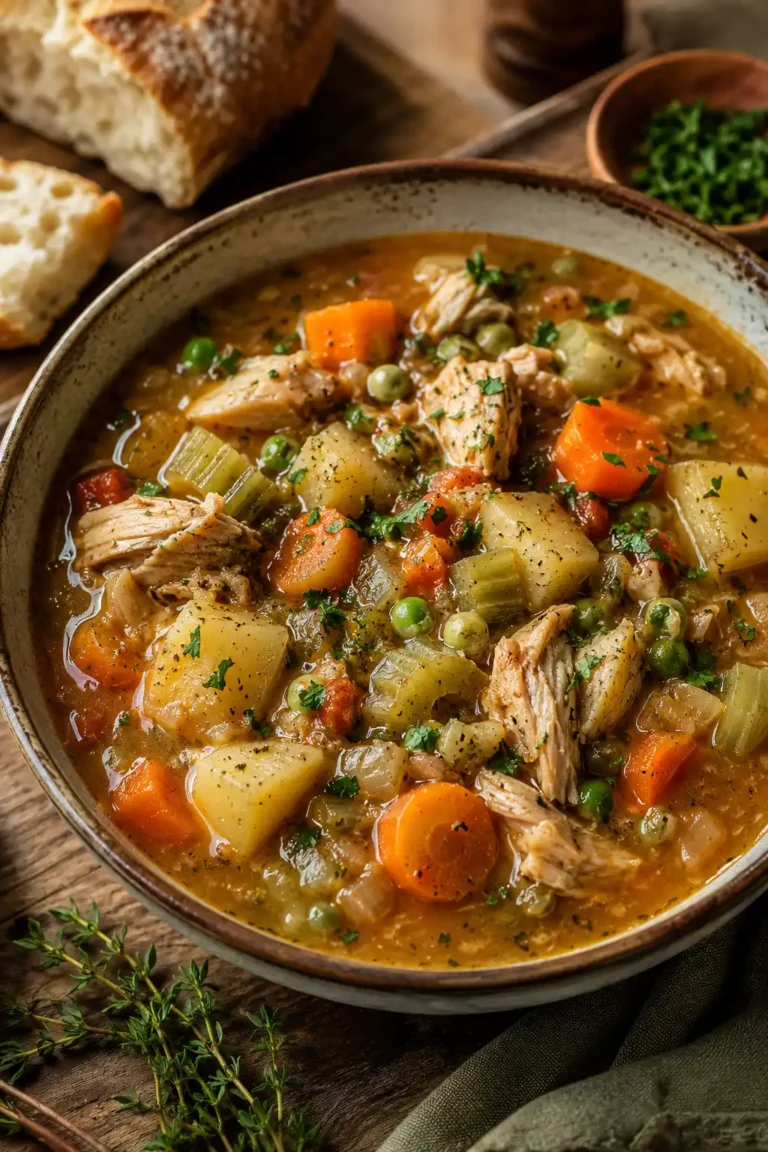
Jamie Oliver Turkey Stew Recipe
This hearty turkey stew is a comforting one-pot meal inspired by rustic home cooking. Tender turkey simmers slowly with potatoes, carrots, celery, herbs, and rich broth to create a warm and satisfying dinner. The recipe works perfectly for cozy family meals, meal prep, or using leftover turkey after the holidays. With simple ingredients and deep flavor, this stew delivers wholesome comfort in every spoonful.
- Total Time: 1hr 20minutes
- Yield: 6 servings
Ingredients
- 700g turkey breast or turkey thighs, diced
- 2 tablespoons olive oil
- 1 large onion, chopped
- 3 garlic cloves, minced
- 3 carrots, sliced
- 2 celery sticks, chopped
- 3 medium potatoes, peeled and cubed
- 1 tablespoon tomato paste
- 1 liter turkey or chicken stock
- 1 teaspoon fresh thyme
- 2 bay leaves
- 1 cup frozen peas
- Salt, to taste
- Black pepper, to taste
- Fresh parsley, chopped for garnish
Instructions
- Heat olive oil in a large heavy-bottomed pot over medium heat.
- Add turkey pieces and brown on all sides for 5–7 minutes. Remove and set aside.
- In the same pot, cook onion, carrots, and celery until softened.
- Stir in garlic and tomato paste, cooking for 1 minute.
- Return turkey to the pot and add potatoes, thyme, bay leaves, and stock.
- Bring to a gentle boil, then reduce heat and simmer for 45–60 minutes.
- Add frozen peas during the final 5 minutes of cooking.
- Season with salt and black pepper to taste.
- Garnish with fresh parsley before serving.
Notes
- Turkey thighs provide richer flavor and stay tender during simmering.
- Leftover roasted turkey can also be used; simply add it later in the cooking process.
- For a thicker stew, mash a few potatoes directly into the broth.
- Fresh herbs enhance the flavor significantly compared to dried herbs.
- The stew tastes even better the next day after the flavors develop further.
- Prep Time: 20 minutes
- Cook Time: 1 hour
- Category: Main Course
- Method: Stovetop
- Cuisine: British / European
- Diet: High-Protein