
Jamie Oliver Butter Bean Stew Recipe for Cozy Dinners
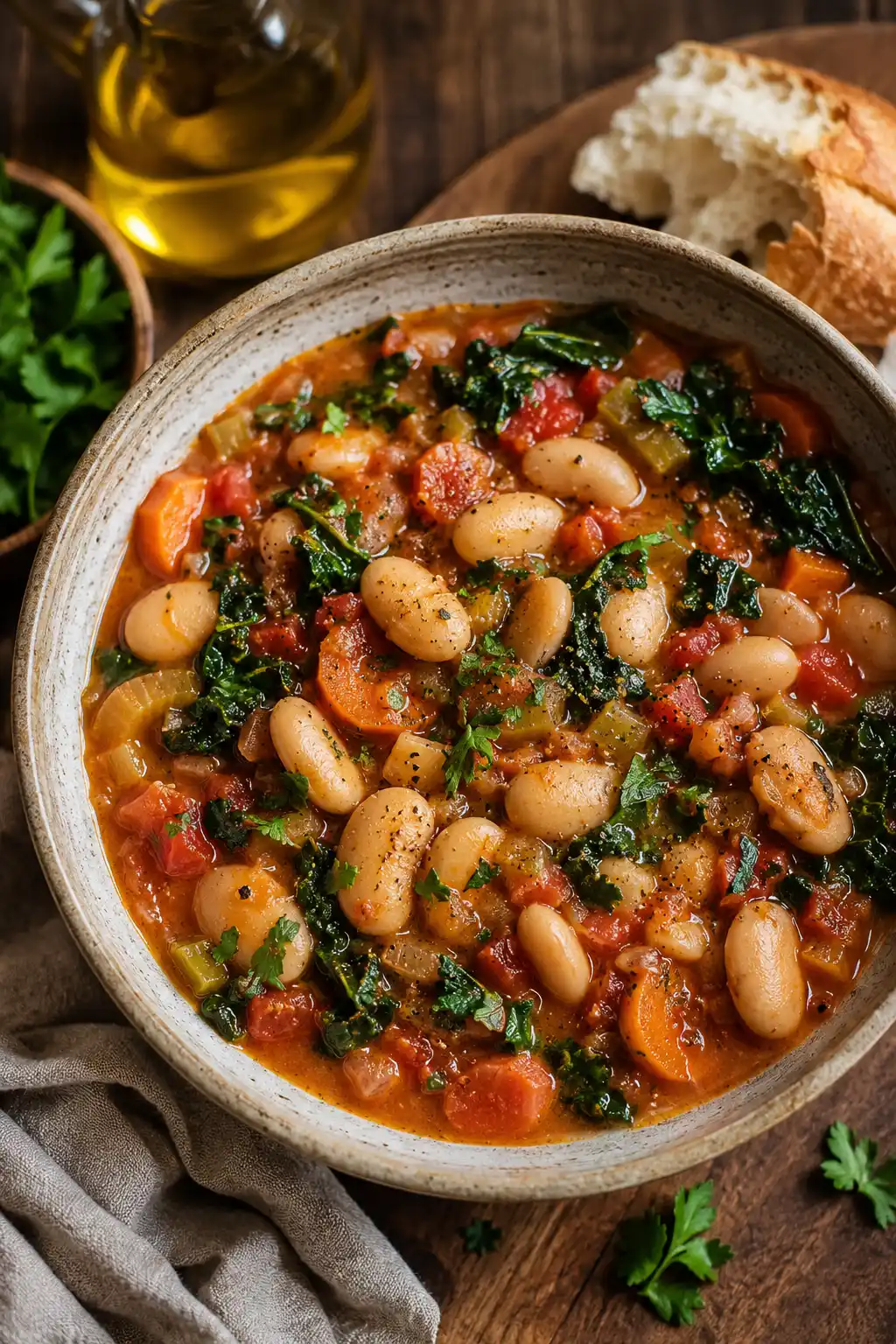
The Jamie Oliver butter bean stew recipe has become a favorite among home cooks who enjoy wholesome comfort food with bold flavor. This dish combines creamy butter beans, aromatic vegetables, rich tomatoes, and herbs into a stew that feels both nourishing and satisfying. Moreover, it’s simple enough for busy weeknights while still tasting like a slow-cooked weekend meal.
One reason this recipe stands out is its flexibility. It works beautifully as a vegetarian dinner, yet it can also pair well with chicken, sausage, or seafood. In addition, butter beans absorb flavor wonderfully, creating a creamy texture without relying on heavy cream.
Another appealing feature is the balance between nutrition and comfort. The stew feels hearty without becoming overly rich. Because of this, many families include it in their regular meal rotation.
The recipe also reflects Jamie Oliver’s approachable cooking philosophy. Fresh ingredients, simple techniques, and bold seasoning come together to create a dish that feels rustic and homemade. Whether served during colder months or enjoyed as a healthy year-round dinner, this butter bean stew consistently delivers warmth and flavor.
Why This Butter Bean Stew Stands Out
This stew offers far more than basic comfort food. It combines affordability, convenience, and depth of flavor in one pot. While many stews rely heavily on meat or cream for richness, butter beans naturally create a velvety texture that feels filling and satisfying.
Another reason people enjoy the Jamie Oliver butter bean stew recipe is the balance of flavors. The sweetness of tomatoes pairs beautifully with garlic, onions, herbs, and olive oil. Furthermore, the beans provide a soft, buttery texture that contrasts perfectly with tender vegetables.
Several qualities make this recipe especially appealing:
- Uses simple pantry ingredients
- Packed with plant-based protein
- Easy to customize
- Budget-friendly for families
- Ideal for meal prep
- Naturally comforting and hearty
Additionally, the stew cooks in one pot, which means less cleanup after dinner. That convenience matters on busy evenings when time feels limited.
The recipe also suits many dietary preferences. It’s naturally vegetarian and can easily become vegan with minor adjustments. Meanwhile, those who prefer extra protein can add meat without changing the core flavor profile.
Most importantly, the dish tastes even better the next day. As the ingredients rest together, the flavors deepen and become richer, making leftovers especially delicious.
Origins and Inspiration Behind the Dish
The Jamie Oliver butter bean stew recipe draws inspiration from Mediterranean and rustic European cooking traditions. Across countries like Italy, Spain, and Greece, beans have long been used in slow-cooked dishes because they are nutritious, affordable, and deeply satisfying.
Jamie Oliver often focuses on recipes that celebrate fresh produce and uncomplicated cooking methods. This stew reflects that philosophy perfectly. Instead of relying on overly processed ingredients, the recipe highlights natural flavors from vegetables, herbs, olive oil, and beans.
Butter beans themselves have been part of traditional cooking for centuries. Their creamy texture makes them ideal for soups and stews. In Mediterranean cuisine, beans are frequently simmered with tomatoes, garlic, greens, and herbs to create meals that are both nourishing and flavorful.
The dish also embraces the concept of comfort food without unnecessary heaviness. Unlike thick cream-based stews, this version feels lighter while still offering warmth and richness.
Interestingly, many home cooks adapt the recipe depending on seasonal ingredients. During winter, root vegetables add heartiness. In warmer months, lighter herbs and greens bring freshness to the dish.
Because of its versatility and wholesome nature, this stew continues to appeal to people looking for simple meals that still feel exciting and satisfying.
Key Ingredients for the Recipe
The beauty of this stew lies in its humble yet flavorful ingredients. Every component plays an important role in creating depth and balance.
Best Butter Beans to Use
Butter beans are the heart of the dish. Their soft texture creates a creamy consistency that makes the stew incredibly comforting.
Options include:
- Canned butter beans for convenience
- Dried butter beans for deeper flavor
- Organic butter beans for cleaner taste
Canned beans save time and work well for quick dinners. However, dried beans often provide better texture when cooked slowly.
Essential Vegetables and Aromatics
Fresh vegetables add sweetness, color, and complexity. Common ingredients include:
- Onion
- Garlic
- Carrots
- Celery
- Tomatoes
- Spinach or kale
Herbs also play a major role. Rosemary, thyme, and parsley enhance the rustic flavor profile beautifully.
Here’s a quick ingredient overview:
| Ingredient | Purpose |
|---|---|
| Butter beans | Creamy texture and protein |
| Tomatoes | Richness and acidity |
| Garlic | Bold savory flavor |
| Onion | Sweet aromatic base |
| Olive oil | Smooth Mediterranean richness |
| Herbs | Depth and freshness |
| Vegetable stock | Builds savory flavor |
High-quality olive oil can dramatically improve the final taste. Likewise, fresh herbs usually provide better flavor than dried alternatives.
Kitchen Tools Needed
Preparing the Jamie Oliver butter bean stew recipe doesn’t require complicated equipment. In fact, basic kitchen tools are enough to create a flavorful and comforting meal.
Helpful tools include:
- Large heavy-bottomed pot or Dutch oven
- Wooden spoon
- Sharp knife
- Chopping board
- Measuring cups
- Ladle
A Dutch oven works especially well because it distributes heat evenly. As a result, the stew simmers gently without scorching.
A sharp knife also matters more than many people realize. Evenly chopped vegetables cook consistently, which improves both texture and flavor.
If using dried butter beans, an additional bowl for soaking becomes necessary. Soaking overnight helps the beans cook faster and more evenly.
Meanwhile, a ladle makes serving easier, especially when portioning the stew into bowls alongside bread or rice.
Because this recipe uses one pot, cleanup remains simple and manageable. That practicality is one reason busy home cooks appreciate the dish so much.
Step-by-Step Jamie Oliver Butter Bean Stew Recipe
Making this stew is straightforward, yet each step contributes important flavor and texture.
Preparing the Ingredients
Start by washing and chopping all vegetables before cooking begins. Preparation makes the process smoother and prevents overcooking later.
Key prep steps include:
- Dice onions and carrots evenly
- Mince garlic finely
- Drain and rinse canned beans
- Chop herbs just before use
Fresh ingredients create brighter flavor, so preparation quality matters.
Cooking the Base
Heat olive oil in a large pot over medium heat. Add onions, carrots, and celery first. Cook until softened and slightly golden.
Then add garlic and herbs. Stir continuously for about a minute to release aroma without burning the garlic.
Next, add chopped tomatoes or canned tomatoes along with vegetable stock. The liquid creates the foundation of the stew.
Simmering the Stew
Add butter beans and bring the mixture to a gentle simmer. Allow the stew to cook slowly for about 25–35 minutes.
During simmering:
- Stir occasionally
- Taste and adjust seasoning
- Add extra stock if too thick
- Include greens near the end
The final texture should feel rich but not overly heavy. Butter beans naturally thicken the broth as they cook.
For extra flavor, some cooks mash a few beans into the liquid. This creates a creamier consistency without adding dairy.
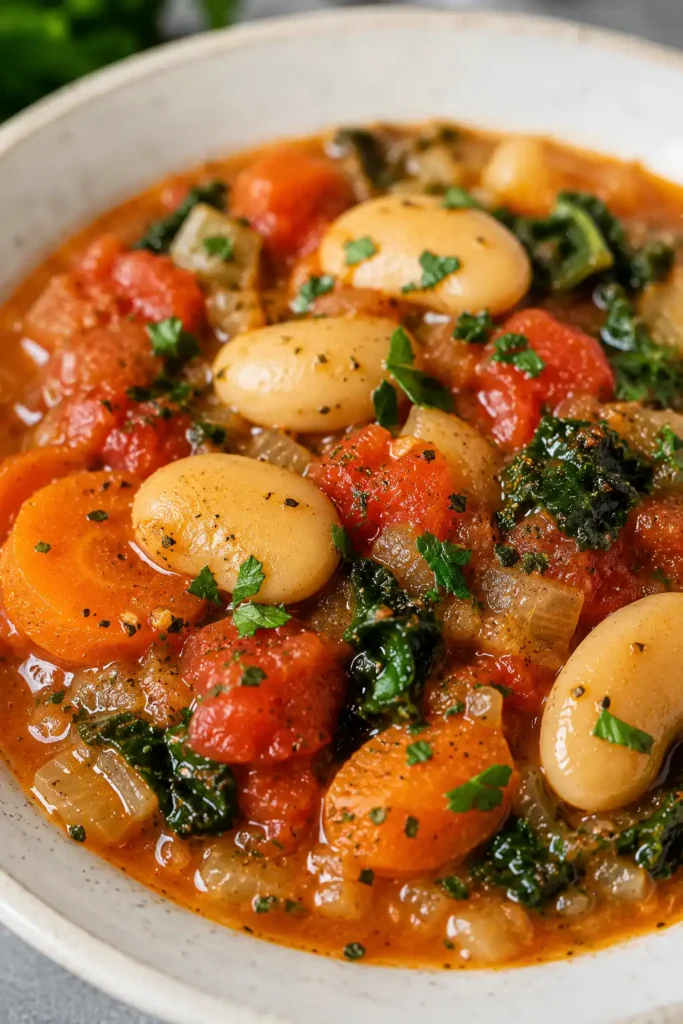
Before serving, finish with parsley, black pepper, and a drizzle of olive oil. These simple additions brighten the entire dish.
Flavor Variations and Additions
One of the best aspects of the Jamie Oliver butter bean stew recipe is its versatility. Small ingredient changes can create entirely new flavor profiles.
Popular additions include:
- Chorizo for smoky richness
- Chili flakes for heat
- Lemon zest for brightness
- Parmesan for savory depth
- Mushrooms for earthy flavor
- Roasted peppers for sweetness
Some cooks also add leafy greens like kale or Swiss chard for extra nutrition. These ingredients blend beautifully into the stew while adding texture and color.
For a Mediterranean twist, olives and sun-dried tomatoes work exceptionally well. Meanwhile, smoked paprika creates a deeper, warmer flavor.
Protein additions are equally flexible:
| Protein Option | Flavor Impact |
|---|---|
| Chicken | Light savory richness |
| Sausage | Smoky depth |
| Shrimp | Fresh seafood flavor |
| Tofu | Plant-based protein |
Another creative option involves blending part of the stew for a thicker texture while leaving some beans whole for contrast.
Because butter beans absorb seasoning effectively, experimenting with herbs and spices often produces excellent results.
Nutritional Benefits of Butter Bean Stew
This stew is both comforting and nutritious. Butter beans provide a strong nutritional foundation while vegetables contribute vitamins and minerals.
Key health benefits include:
- High in fiber
- Rich in plant protein
- Supports digestion
- Helps maintain energy levels
- Naturally filling
Butter beans are particularly valuable because they provide slow-releasing carbohydrates. As a result, the stew keeps people satisfied longer.
Vegetables like carrots, tomatoes, and greens add antioxidants and vitamins. Olive oil contributes healthy fats that support heart health.
Compared to cream-heavy comfort foods, this stew feels lighter while still being deeply satisfying. That balance makes it suitable for regular meals.
Another advantage is portion flexibility. The stew can serve as a light lunch or a hearty dinner depending on side dishes and serving size.
For those following vegetarian eating habits, the recipe also offers excellent protein without relying on meat.
Tips for Achieving the Best Texture
Texture can make or break a stew. Fortunately, a few simple techniques help create the perfect consistency.
Helpful tips include:
- Simmer slowly instead of boiling rapidly
- Mash a few beans for natural thickness
- Avoid adding too much liquid at once
- Stir occasionally to prevent sticking
- Use quality tomatoes for richer broth
If the stew becomes too thick, extra stock can loosen it easily. On the other hand, simmering uncovered helps reduce excess liquid.
Bean texture also matters. Overcooked beans may become mushy, while undercooked beans feel unpleasantly firm.
Fresh herbs added at the end improve overall freshness and prevent dull flavor.
Many experienced cooks recommend allowing the stew to rest for several minutes before serving. This short resting period helps flavors settle and deepen naturally.
Common Mistakes to Avoid
Even simple recipes can go wrong without attention to detail. Fortunately, most issues are easy to prevent.
Common mistakes include:
- Using bland stock
- Overcooking the beans
- Burning garlic
- Adding too much salt early
- Cooking on heat that’s too high
Burned garlic creates bitterness that affects the entire dish. Therefore, garlic should cook briefly and gently.
Another common problem is watery stew. Excess liquid prevents the creamy consistency that makes the recipe comforting.
Some cooks also skip seasoning adjustments during cooking. However, tasting throughout the process ensures balanced flavor.
Using low-quality canned tomatoes may result in overly acidic broth. Good tomatoes improve sweetness and richness naturally.
Finally, overcrowding the pot with too many ingredients can dilute the overall flavor profile.
Best Side Dishes to Serve
The Jamie Oliver butter bean stew recipe pairs beautifully with many side dishes. The right accompaniment can turn a simple bowl into a complete meal.
Excellent serving options include:
- Crusty artisan bread
- Garlic toast
- Brown rice
- Mashed potatoes
- Roasted vegetables
- Simple green salad
Bread remains the most popular choice because it absorbs the flavorful broth beautifully.
For lighter meals, a fresh salad adds crispness and contrast. Meanwhile, roasted vegetables provide extra warmth and texture during colder months.
Here’s a quick pairing guide:
| Side Dish | Why It Works |
|---|---|
| Sourdough bread | Absorbs broth perfectly |
| Rice | Adds extra heartiness |
| Salad | Balances richness |
| Roasted potatoes | Creates a filling meal |
Some people also enjoy topping the stew with yogurt, grated cheese, or chili oil for added richness and flavor.
Storage and Reheating Tips
This stew stores exceptionally well, which makes it ideal for meal prep and leftovers.
For best results:
- Store in airtight containers
- Refrigerate for up to 4 days
- Freeze for up to 3 months
- Reheat gently over low heat
Interestingly, the flavor often improves overnight as the ingredients continue blending together.
When reheating, adding a splash of water or stock helps restore consistency. Otherwise, the stew may become too thick.
Frozen portions should thaw overnight in the refrigerator before reheating. Slow reheating also protects the beans from becoming mushy.
Because the recipe freezes well, many home cooks prepare large batches for future meals.
Why Home Cooks Love This Recipe
Several factors explain why this dish remains popular among home cooks.
People appreciate that it is:
- Affordable
- Easy to prepare
- Nutritious
- Adaptable
- Comforting
- Family-friendly
The recipe also feels approachable for beginner cooks. Unlike complicated restaurant dishes, it uses familiar ingredients and simple techniques.
Additionally, the stew creates a homemade atmosphere that many families enjoy. The aroma alone makes kitchens feel warm and inviting.
Its flexibility is another major advantage. Cooks can use seasonal vegetables, different herbs, or extra proteins depending on preference.
Because the recipe balances nutrition and flavor so effectively, it satisfies both health-conscious eaters and comfort food lovers.
Expert Cooking Tips for Better Results
Experienced cooks often rely on small details to elevate this stew from good to exceptional.
Professional-style tips include:
- Use fresh herbs whenever possible
- Let onions caramelize slightly
- Finish with quality olive oil
- Season gradually during cooking
- Simmer slowly for deeper flavor
Adding lemon juice near the end can also brighten the stew significantly. The acidity balances the creamy beans beautifully.
Some chefs recommend using homemade stock for maximum flavor depth. Although store-bought stock works well, homemade versions often taste richer and cleaner.
Another useful technique involves layering seasoning throughout the cooking process instead of adding everything at once.
For a restaurant-style presentation, garnish with chopped parsley, cracked black pepper, and toasted bread on the side.
For additional cooking inspiration, readers can explore recipes from Jamie Oliver Official Website.
Frequently Asked Questions
Can butter bean stew be made ahead of time?
Yes, this stew actually tastes better when prepared ahead of time. As it rests, the flavors blend together more deeply, creating a richer and more balanced dish. Many cooks prepare it a day in advance for this reason. Store it in an airtight container in the refrigerator and reheat gently before serving. If the stew thickens too much, simply add a little stock or water while reheating to restore the desired consistency and texture.
Can canned butter beans be used instead of dried beans?
Absolutely. Canned butter beans are convenient, affordable, and save significant preparation time. They work especially well for quick weeknight dinners. However, rinsing them thoroughly helps remove excess sodium and improves flavor. Dried beans may provide slightly better texture and depth when cooked slowly, but canned beans still create a delicious and satisfying stew that retains the creamy consistency people love in this comforting recipe.
Is this stew suitable for vegetarians and vegans?
Yes, the classic Jamie Oliver butter bean stew recipe is naturally vegetarian. It can also become fully vegan when vegetable stock is used and dairy-based toppings are avoided. The butter beans provide plant-based protein and hearty texture, making the dish filling without meat. Many vegan cooks add extra vegetables, mushrooms, or smoked paprika to increase depth and richness while maintaining the wholesome Mediterranean-inspired character of the stew.
What herbs work best in butter bean stew?
Rosemary, thyme, parsley, and bay leaves work exceptionally well in this recipe. These herbs complement the creamy butter beans and tomato base beautifully. Fresh herbs usually provide brighter flavor, although dried herbs can still produce excellent results. Some cooks also add oregano or basil for Mediterranean notes. Adding delicate herbs like parsley toward the end preserves freshness and prevents the flavors from becoming dull during simmering.
How can the stew be thickened naturally?
One of the easiest ways to thicken the stew naturally is by mashing some of the butter beans directly into the broth. As the beans break down, they create a creamy texture without needing flour or cream. Simmering uncovered also helps reduce excess liquid gradually. Additionally, using less stock initially allows better control over consistency. Slow cooking helps ingredients release starches naturally, giving the stew its rich and comforting body.
What proteins can be added to the stew?
Although the stew works wonderfully as a vegetarian meal, several proteins pair nicely with its flavors. Popular additions include chicken, sausage, pancetta, shrimp, or tofu. Smoky sausage adds bold richness, while chicken keeps the dish lighter. Seafood creates a Mediterranean-style variation with fresh flavor. Plant-based proteins like tofu or lentils also blend well with the tomato and herb base while keeping the meal hearty and satisfying.
Conclusion
The Jamie Oliver butter bean stew recipe proves that simple ingredients can create extraordinary comfort food. Creamy butter beans, aromatic vegetables, herbs, and rich tomatoes come together in a dish that feels wholesome, hearty, and deeply satisfying.
Its flexibility makes it suitable for many lifestyles and occasions. Whether served as a vegetarian family dinner, a meal-prep favorite, or a cozy winter dish, the stew consistently delivers warmth and flavor.
Beyond taste, the recipe also reflects practical home cooking at its best. It’s affordable, nutritious, adaptable, and easy enough for beginners while still impressive enough for experienced cooks.
With the right ingredients, careful simmering, and thoughtful seasoning, this butter bean stew becomes far more than a simple one-pot meal. It transforms into a comforting dish that people return to again and again.
Print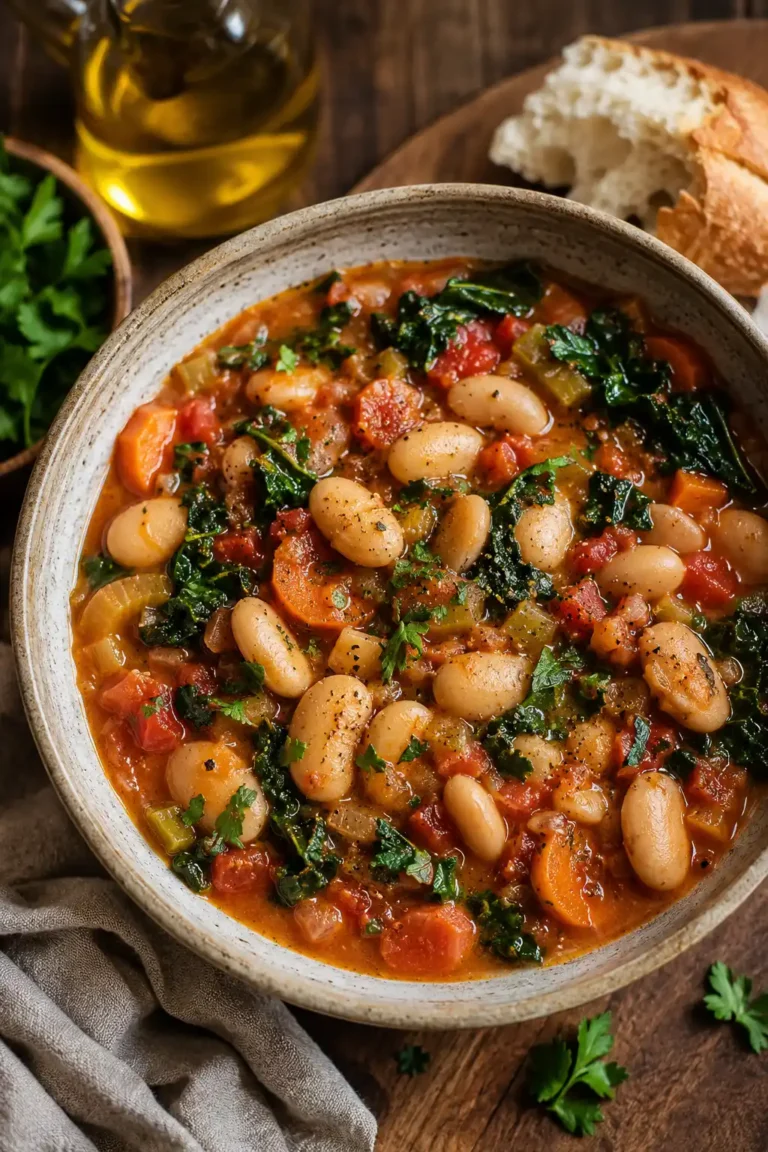
Jamie Oliver Butter Bean Stew Recipe
- Total Time: 50 minutes
- Yield: 6 servings
Ingredients
- 2 tablespoons olive oil
- 1 large onion, diced
- 2 carrots, sliced
- 2 celery stalks, chopped
- 4 garlic cloves, minced
- 2 cans butter beans, drained and rinsed
- 1 can chopped tomatoes
- 4 cups vegetable stock
- 1 teaspoon smoked paprika
- 1 teaspoon dried thyme
- 1 teaspoon rosemary
- 2 cups spinach or kale
- Salt, to taste
- Black pepper, to taste
- Fresh parsley, chopped
- Optional: chili flakes for heat
Instructions
- Heat olive oil in a large pot over medium heat.
- Add onion, carrots, and celery. Cook for 6–8 minutes until softened.
- Stir in garlic, rosemary, thyme, and smoked paprika. Cook for 1 minute.
- Add chopped tomatoes and vegetable stock. Stir well.
- Add butter beans and bring to a gentle simmer.
- Cook uncovered for 25–30 minutes, stirring occasionally.
- Stir in spinach or kale during the final 5 minutes.
- Season with salt and black pepper to taste.
- Garnish with fresh parsley and serve warm with crusty bread.
Notes
- For a thicker stew, mash some butter beans while simmering.
- Dried butter beans can be used if soaked overnight.
- Add sausage or chicken for extra protein.
- The stew tastes even better the next day.
- Store leftovers in an airtight container for up to 4 days.
- Prep Time: 15 minutes
- Cook Time: 35 minutes
- Category: Main Course
- Method: Stovetop
- Cuisine: Mediterranean
- Diet: Vegetarian