Nigella Lawson Lemon Pavlova Recipe Easy & Perfect
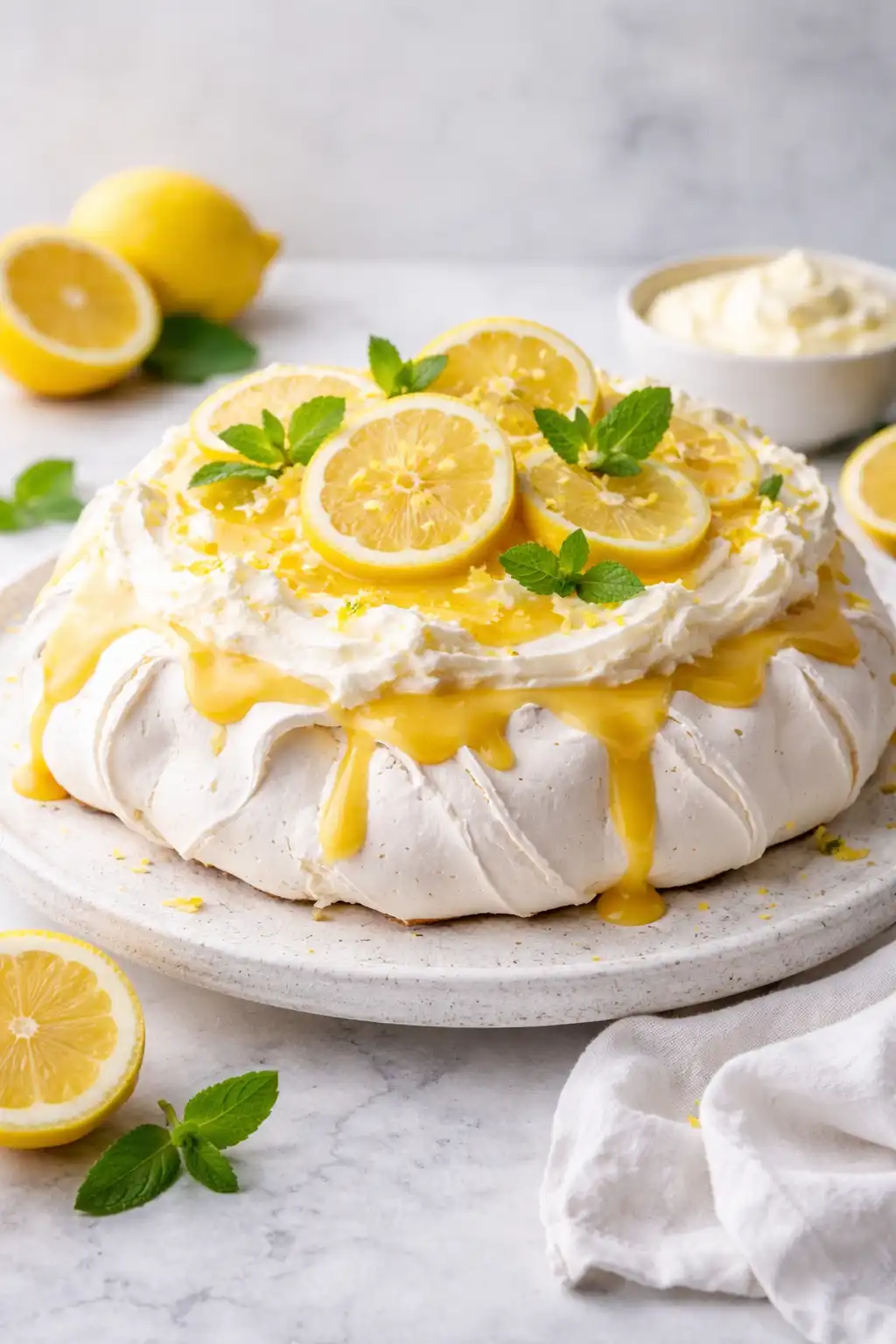
The Nigella Lawson lemon pavlova recipe stands as a timeless dessert that blends elegance with simplicity. Known for its crisp outer shell and marshmallow-soft interior, pavlova has long been a favorite for special occasions. This version, infused with bright lemon flavors, adds a refreshing twist to the classic dessert.
Unlike heavy cakes, this dessert feels light yet indulgent. The balance between sweet meringue and tangy lemon topping creates a harmonious taste that appeals to a wide audience. Moreover, it’s surprisingly approachable for home bakers who want to impress without overcomplicating things.
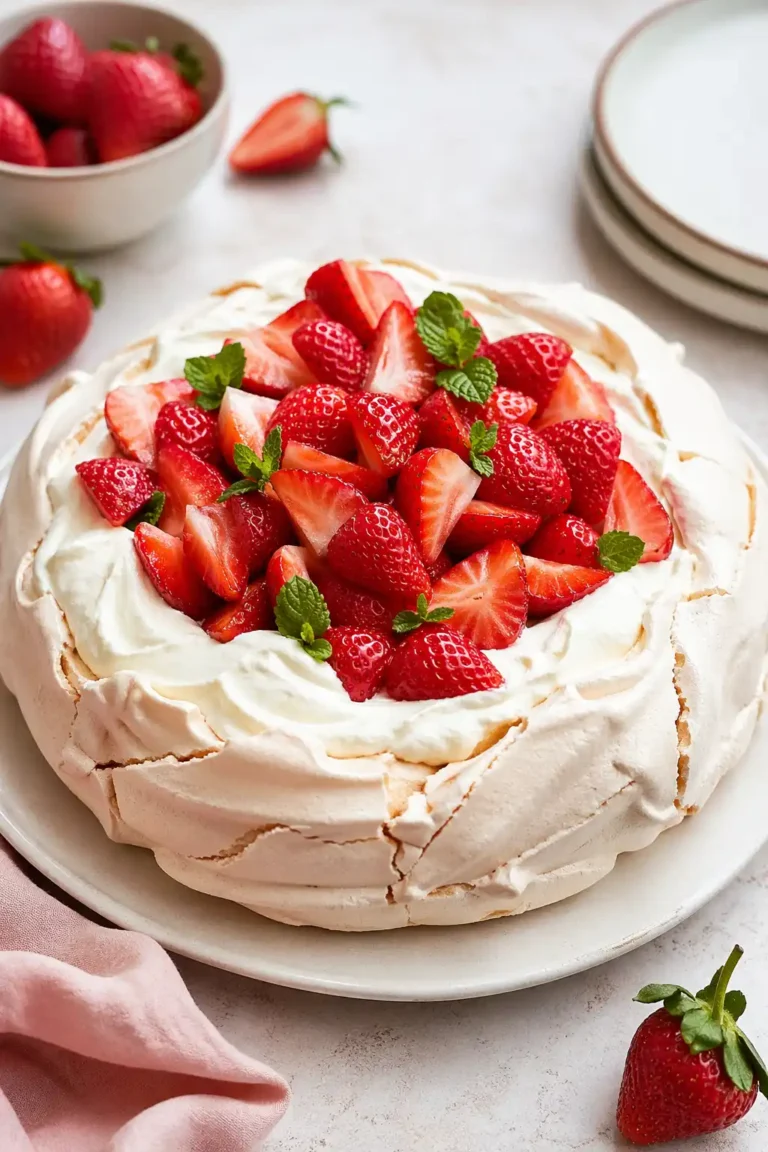
Interestingly, pavlova is often associated with celebrations due to its visually stunning presentation. Its cloud-like structure, topped with creamy layers and vibrant citrus, makes it a centerpiece dessert. While it may seem delicate, careful preparation ensures consistent results.
In essence, this recipe highlights how simple ingredients can create something extraordinary. With the right technique and patience, anyone can recreate this iconic dessert at home with confidence and style.
About Nigella Lawson
Nigella Lawson is widely recognized for her approachable and comforting cooking style. She emphasizes enjoyment in the kitchen rather than perfection, which makes her recipes particularly appealing to home cooks. Her approach to desserts often blends indulgence with simplicity, and this lemon pavlova is no exception.
Over the years, she has become synonymous with rich yet accessible recipes. Her philosophy revolves around creating food that feels luxurious without requiring professional skills. This mindset is clearly reflected in her pavlova recipe, which simplifies traditional techniques while maintaining high-quality results.
Furthermore, Nigella’s recipes often focus on sensory pleasure. She encourages cooks to appreciate textures, aromas, and flavors throughout the process. This pavlova embodies that philosophy through its crisp shell, soft interior, and zesty topping.
Her influence extends beyond recipes, shaping how people view cooking as an enjoyable experience rather than a chore. This dessert perfectly captures her signature style—effortless elegance paired with bold, satisfying flavors.
What Makes Lemon Pavlova Special
Texture and Flavor Profile
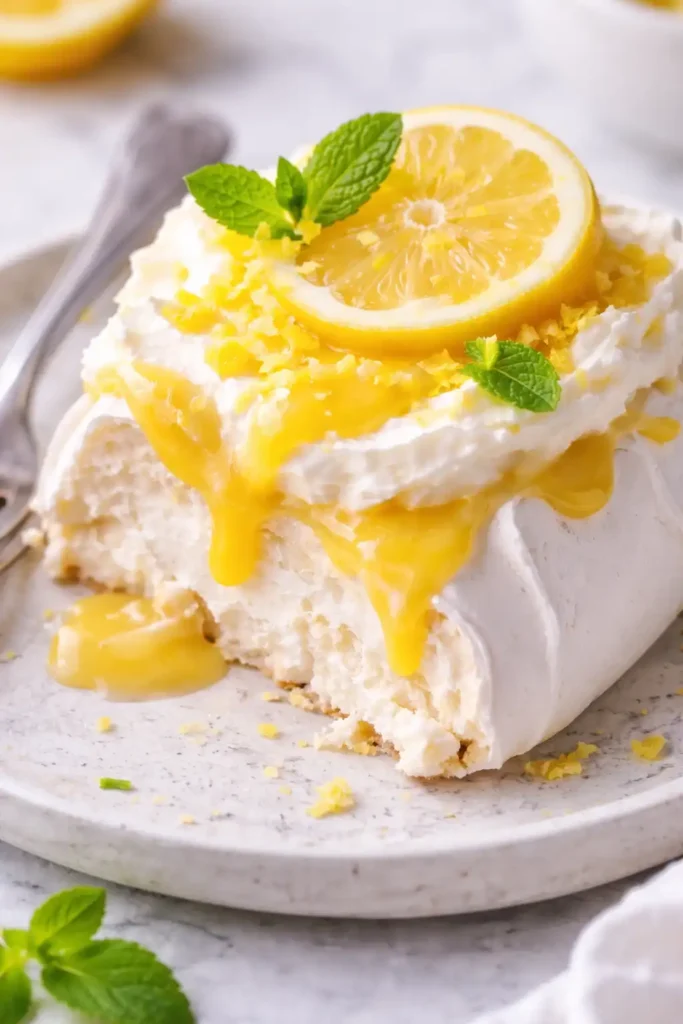
One of the defining characteristics of this dessert lies in its unique texture. The outer layer is crisp and delicate, while the inside remains soft and airy. This contrast creates a satisfying bite that keeps people coming back for more.
At the same time, the lemon topping introduces a refreshing tang. It cuts through the sweetness of the meringue, preventing the dessert from becoming overwhelming. The combination results in a balanced flavor profile that feels both light and indulgent.
Why It’s a Crowd Favorite
Lemon pavlova appeals to a wide range of tastes. Its lightness makes it suitable after heavy meals, while its sweetness satisfies dessert cravings. Additionally, it can be easily customized with different fruits or toppings.
Another reason for its popularity is its visual appeal. The bright lemon topping against the white meringue creates a striking contrast. This makes it an ideal dessert for gatherings, celebrations, or even casual family dinners.
Ingredients Overview
For the Meringue Base
- Egg whites (room temperature)
- Caster sugar
- Cornflour
- White vinegar or lemon juice
- Vanilla extract
These ingredients work together to create the structure and stability of the pavlova. The sugar dissolves into the egg whites, forming a glossy mixture that bakes into a crisp shell.
For the Lemon Topping
- Fresh lemon juice
- Lemon zest
- Sugar
- Egg yolks
- Butter
- Whipped cream
The topping provides the signature tangy flavor. Fresh lemons are essential for achieving the best taste, as bottled juice lacks the same brightness.
Step-by-Step Instructions
Preparing the Meringue
First, preheat the oven to a low temperature. Then, whisk the egg whites until soft peaks form. Gradually add sugar while continuing to whisk until the mixture becomes thick and glossy.
Next, fold in cornflour, vinegar, and vanilla extract. These ingredients stabilize the meringue and ensure a soft interior. Shape the mixture into a round disc on a lined baking tray, creating a slight indentation in the center.
Baking Process
Place the meringue in the oven and bake at a low temperature. This allows it to dry out rather than cook quickly. After baking, turn off the oven and let the pavlova cool inside. This prevents cracks caused by sudden temperature changes.
Preparing Lemon Cream
Meanwhile, combine lemon juice, zest, sugar, and egg yolks in a saucepan. Cook gently until the mixture thickens. Stir in butter for a smooth finish, then let it cool completely.
Assembling the Pavlova
Finally, spread whipped cream over the cooled meringue. Add the lemon cream on top, allowing it to cascade slightly. Garnish with extra zest or fresh fruit for added appeal.
Expert Tips for Perfect Results
Achieving a flawless pavlova requires attention to detail. Even small adjustments can significantly impact the final result.
- Use clean, grease-free bowls for whipping egg whites
- Add sugar gradually to ensure proper dissolution
- Avoid opening the oven during baking
- Let the pavlova cool slowly to prevent cracks
- Use fresh lemons for the best flavor
Additionally, humidity can affect meringue. On humid days, it may take longer to achieve the desired texture. Adjusting baking time slightly can help maintain consistency.
Common Mistakes to Avoid
Many beginners face challenges when making pavlova. However, most issues can be avoided with simple precautions.
- Overbeating egg whites can cause collapse
- Undissolved sugar leads to a grainy texture
- High oven temperature results in browning
- Removing too early causes cracking
Understanding these pitfalls helps ensure a successful outcome. With practice, these mistakes become easy to avoid.
Variations of Lemon Pavlova
This recipe is highly adaptable. While lemon remains the star, other flavors can be incorporated.
- Berry pavlova with strawberries and blueberries
- Tropical version with mango and passion fruit
- Chocolate drizzle for added richness
- Mini pavlovas for individual servings
Each variation offers a unique twist while maintaining the core structure of the dessert.
Nutritional Information
| Component | Approximate Value |
|---|---|
| Calories | 250-300 per serving |
| Sugar | High |
| Fat | Moderate |
| Protein | Low |
While pavlova is indulgent, it remains lighter than many traditional desserts. Moderation is key to enjoying it as part of a balanced diet.
Serving Suggestions
Presentation plays a vital role in enhancing this dessert. Serve the pavlova immediately after assembling to maintain its texture.
- Pair with tea or coffee
- Add fresh berries for color
- Use mint leaves for garnish
- Serve chilled for a refreshing touch
These small additions elevate the overall experience.
Storage and Shelf Life
Proper storage ensures the pavlova retains its quality.
- Store the meringue base in an airtight container
- Keep toppings separate until serving
- Avoid refrigeration for assembled pavlova
Typically, the meringue base lasts up to two days when stored correctly.
Why This Recipe Works
This recipe succeeds due to its balance of technique and simplicity. The use of stabilizing ingredients ensures consistent results, while the lemon topping adds freshness.
Moreover, the slow baking process creates the ideal texture. By focusing on fundamental techniques, this recipe allows home cooks to achieve professional-quality results.
FAQs About Nigella Lemon Pavlova
1. Why does my pavlova crack during baking?
Cracking usually occurs due to sudden temperature changes or overbaking. When the oven is too hot, the outer layer forms too quickly, causing stress on the structure. Gradually cooling the pavlova in the oven helps prevent this issue. Additionally, avoid opening the oven door during baking, as temperature fluctuations can lead to cracks forming on the surface.
2. Can I make pavlova ahead of time?
Yes, the meringue base can be prepared in advance and stored in an airtight container for up to two days. However, it’s best to assemble the pavlova just before serving. Adding cream and lemon topping too early can soften the crisp shell, affecting the texture. Keeping components separate ensures the dessert remains fresh and visually appealing.
3. What is the secret to a perfect meringue?
The key lies in properly whipping egg whites and gradually adding sugar. Clean equipment is essential, as even a small amount of grease can prevent proper whipping. The sugar must fully dissolve to create a smooth, glossy mixture. Patience during this step ensures a stable meringue with the desired texture.
4. Can I use bottled lemon juice instead of fresh?
While bottled lemon juice can be used, fresh lemons provide a brighter and more natural flavor. Bottled versions often lack the same level of acidity and aroma. For the best results, freshly squeezed juice and zest are recommended, as they enhance both taste and fragrance in the final dessert.
5. How do I know when the pavlova is done baking?
A properly baked pavlova should feel dry on the outside while remaining soft inside. It should not brown significantly. Turning off the oven and allowing it to cool inside helps complete the drying process. This method ensures the ideal balance between crispness and softness.
6. Can I make a dairy-free version?
Yes, dairy-free alternatives can be used for the topping. Coconut cream or plant-based whipped cream works well as a substitute. The lemon curd can also be adapted using dairy-free butter. These adjustments maintain the flavor while making the dessert suitable for those with dietary restrictions.
Conclusion
The Nigella Lawson lemon pavlova recipe proves that a truly impressive dessert doesn’t have to be complicated. With its crisp meringue shell, soft marshmallow center, and vibrant lemon topping, it delivers both flavor and elegance in every bite. By following the right techniques, such as slow baking, careful mixing, and proper cooling, home bakers can consistently achieve bakery-quality results.
Moreover, this dessert reflects Nigella Lawson’s signature approach, simple yet indulgent cooking that celebrates enjoyment in the kitchen. Whether prepared for a festive gathering or a casual treat, this pavlova offers versatility, beauty, and a refreshing citrus twist that never goes out of style.
For more inspiration and authentic recipes, readers can explore Nigella’s official website here: https://www.nigella.com
Print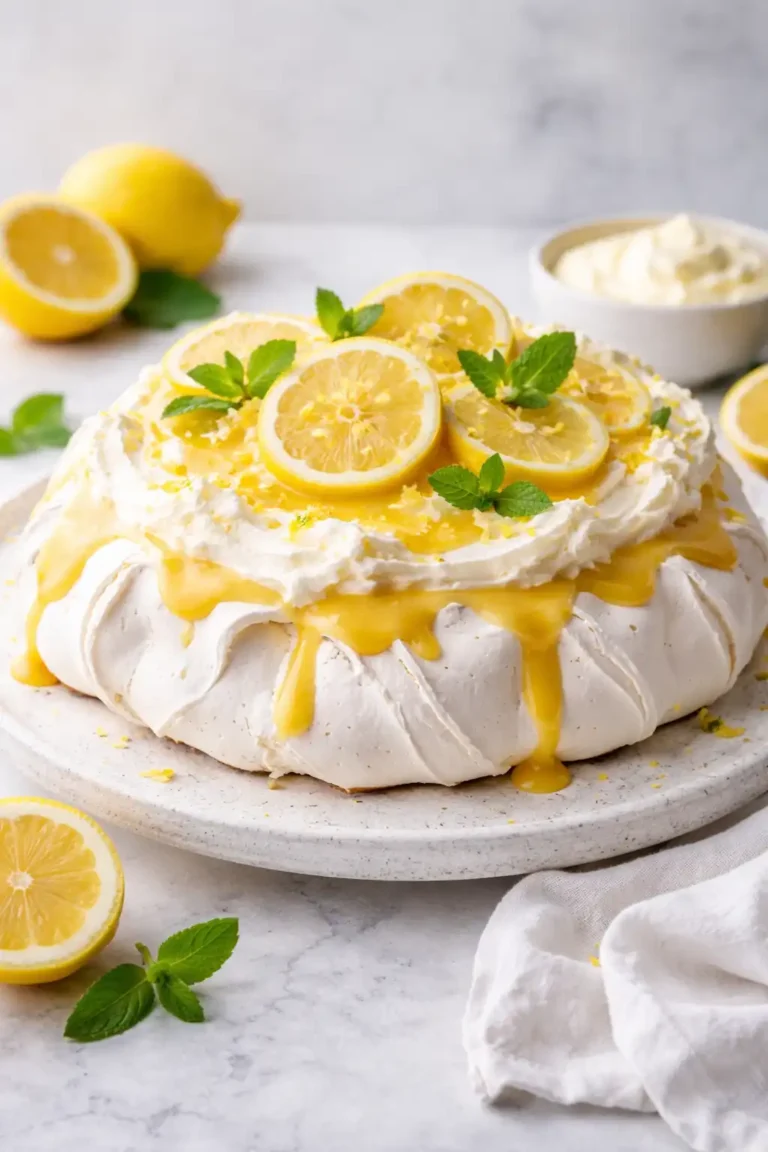
Nigella Lawson Lemon Pavlova Recipe
This Nigella Lawson lemon pavlova is a light yet indulgent dessert that combines a crisp meringue shell with a soft marshmallow center. Topped with tangy lemon curd and fluffy whipped cream, it delivers a perfect balance of sweetness and citrus freshness. Ideal for celebrations or summer gatherings, this elegant dessert looks stunning while remaining surprisingly simple to prepare. Its airy texture and vibrant flavor make it a refreshing alternative to heavier cakes, ensuring it becomes a favorite for both casual and special occasions.
- Total Time: 95 minutes
- Yield: 8 servings
Ingredients
For the Meringue
- 4 large egg whites (room temperature)
- 1 cup caster sugar
- 1 teaspoon cornflour
- 1 teaspoon white vinegar or lemon juice
- 1 teaspoon vanilla extract
For the Lemon Topping
- ½ cup fresh lemon juice
- 1 tablespoon lemon zest
- ½ cup sugar
- 3 egg yolks
- 60g butter
For Assembly
- 1 cup whipped cream
- Fresh lemon slices (for garnish)
- Mint leaves (optional)
Instructions
Step 1: Prepare the Meringue
- Preheat oven to 120°C (250°F).
- Beat egg whites until soft peaks form.
- Gradually add sugar while whisking until glossy and stiff peaks form.
- Fold in cornflour, vinegar, and vanilla gently.
Step 2: Shape and Bake
- Spoon mixture onto lined tray and shape into a round disc.
- Create a slight well in the center.
- Bake for 60–75 minutes at low temperature.
- Turn off oven and let it cool inside completely.
Step 3: Make Lemon Curd
- Combine lemon juice, zest, sugar, and egg yolks in a pan.
- Cook on low heat, stirring until thickened.
- Add butter and mix until smooth.
- Cool completely.
Step 4: Assemble
- Spread whipped cream over meringue base.
- Add lemon curd on top.
- Garnish with lemon slices and mint.
- Serve immediately.
Notes
- Always use clean, grease-free bowls for whipping egg whites.
- Avoid overbaking to keep the center soft.
- Cool the pavlova gradually to prevent cracking.
- Assemble just before serving to maintain crispness.
- Fresh lemon juice gives the best flavor compared to bottled.
- Prep Time: 20 minutes
- Cook Time: 75 minutes
- Category: Dessert
- Method: Baking
- Cuisine: British / European
- Diet: Vegetarian