Jamie Oliver Savoy Cabbage Pasta Recipe: Easy & Delicious
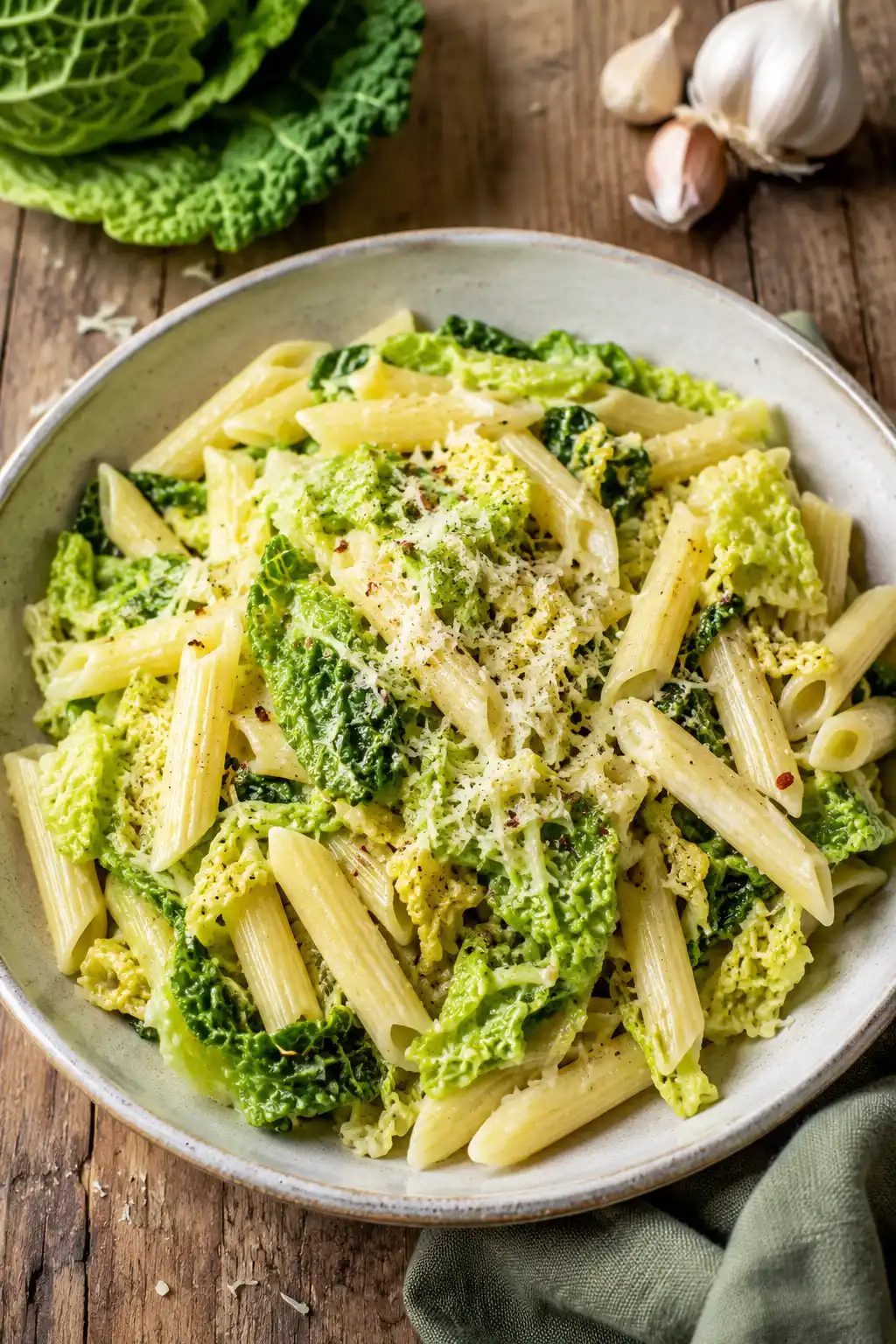
The Jamie Oliver savoy cabbage pasta recipe is a perfect example of how simple ingredients can create a satisfying and memorable meal. Known for his approachable cooking style, Jamie Oliver often transforms everyday vegetables into dishes packed with flavor, texture, and nutritional value. This pasta recipe highlights the humble Savoy cabbage, turning it into the star ingredient of a comforting meal that feels both rustic and modern.
Many home cooks appreciate this dish because it requires minimal preparation while delivering impressive results. The combination of tender pasta, lightly cooked cabbage, aromatic garlic, and quality olive oil creates a balanced meal that can be enjoyed throughout the year.
Furthermore, this recipe proves that delicious food does not always require expensive ingredients or complicated cooking techniques. Whether prepared for a busy weeknight dinner or a relaxed weekend lunch, this pasta dish offers a wonderful blend of simplicity and flavor that appeals to both experienced cooks and beginners.
What Makes This Pasta Recipe Special?
Unlike many rich pasta dishes that rely heavily on cream or large amounts of cheese, this recipe allows fresh vegetables to shine. Savoy cabbage contributes a delicate sweetness and soft texture that complements the pasta beautifully.
Several factors make this recipe stand out:
- Uses affordable and widely available ingredients.
- Delivers a balance of flavor and nutrition.
- Comes together in under 30 minutes.
- Suitable for vegetarian diets.
- Easy to customize with additional vegetables or proteins.
- Creates a comforting meal without feeling overly heavy.
In addition, the recipe demonstrates how traditional Italian-inspired cooking often focuses on maximizing flavor from simple pantry staples. Rather than masking ingredients with heavy sauces, each component contributes to the overall taste and texture of the dish.
The result is a meal that feels wholesome, satisfying, and surprisingly elegant despite its simplicity.
Understanding Savoy Cabbage
Savoy cabbage differs from standard green cabbage due to its crinkled leaves and milder flavor. It has a softer texture, making it particularly suitable for pasta dishes, soups, and stir-fries.
Some key characteristics include:
- Tender, wrinkled leaves.
- Slightly sweet and earthy flavor.
- High moisture content.
- Quick cooking time.
- Excellent nutritional profile.
Because savoy cabbage cooks relatively quickly, it blends seamlessly into pasta dishes without becoming mushy. Its delicate flavor also absorbs seasonings effectively, making it an ideal ingredient for simple recipes where every component matters.
Moreover, its attractive texture adds visual appeal to the finished dish, helping transform a humble vegetable into something truly appetizing.
Ingredients Typically Used in the Recipe
One reason this pasta dish remains popular is its short ingredient list. Most items are pantry staples that many households already have available.
Common ingredients include:
- Savoy cabbage, finely sliced.
- Pasta such as penne, rigatoni, or spaghetti.
- Garlic cloves.
- Extra virgin olive oil.
- Parmesan cheese.
- Sea salt.
- Freshly ground black pepper.
- Red chili flakes (optional).
- Lemon zest (optional).
Each ingredient serves a purpose. The olive oil creates richness, garlic adds aroma, and Parmesan introduces a savory depth. Meanwhile, the cabbage provides texture and natural sweetness that ties everything together.
The beauty of the recipe lies in how these simple ingredients combine to create layers of flavor without requiring extensive preparation or cooking expertise.
Why Savoy Cabbage Works So Well with Pasta
Pasta and cabbage may not seem like an obvious pairing at first. However, this combination has roots in many European culinary traditions where vegetables and pasta frequently appear together.
Savoy cabbage complements pasta because:
- Its texture remains slightly tender after cooking.
- It absorbs seasonings effectively.
- It provides freshness that balances the starchiness of pasta.
- Its mild flavor does not overpower other ingredients.
- It contributes valuable nutrients.
Additionally, cabbage softens as it cooks, allowing it to blend naturally with the pasta. Every forkful contains a balance of vegetables and carbohydrates, creating a more complete and satisfying meal.
This harmony between ingredients explains why the recipe continues to be a favorite among those seeking simple yet flavorful home cooking.
Step-by-Step Cooking Method
Preparing this dish is straightforward, making it ideal for cooks of all experience levels.
1. Cook the Pasta
Boil a large pot of salted water and cook the pasta until al dente. Reserve some pasta water before draining.
2. Prepare the Cabbage
Thinly slice the savoy cabbage into fine ribbons. This ensures even cooking and better texture.
3. Sauté the Garlic
Heat olive oil in a large pan and gently cook the garlic until fragrant. Avoid browning it excessively.
4. Add the Cabbage
Stir in the cabbage and cook until softened but still vibrant in color.
5. Combine Everything
Add the cooked pasta to the pan. Toss thoroughly and add reserved pasta water if needed.
6. Finish and Serve
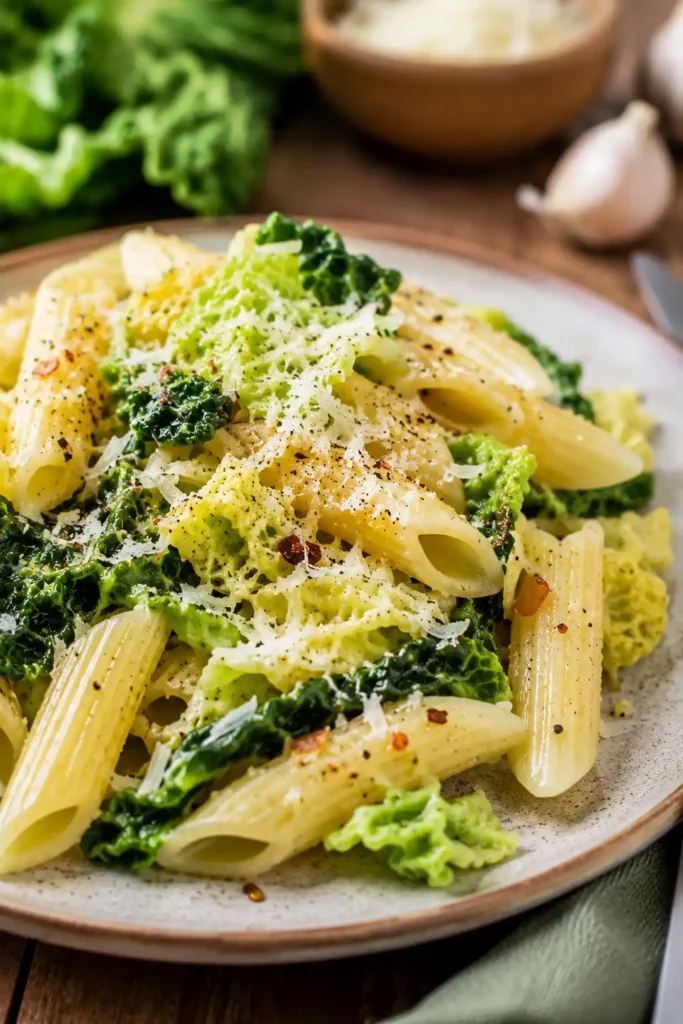
Season with salt and pepper, then sprinkle with parmesan cheese before serving.
Following these simple steps produces a balanced and flavorful dish that feels both comforting and fresh.
Nutritional Benefits of This Dish
This pasta recipe offers more than great taste. It also provides several nutritional advantages.
Savoy cabbage contains:
- Vitamin C.
- Vitamin K.
- Folate.
- Fiber.
- Antioxidants.
- Potassium.
Meanwhile, pasta contributes energy-providing carbohydrates that help create a satisfying meal.
The use of olive oil introduces heart-healthy fats, while Parmesan adds protein and calcium. Together, these ingredients form a balanced dish that can fit comfortably into a varied diet.
Because the recipe relies heavily on vegetables rather than heavy sauces, it often feels lighter than many traditional pasta dishes while remaining equally satisfying.
Expert Tips for Better Results
Even simple recipes benefit from a few professional techniques.
For the best outcome:
- Salt the pasta water generously.
- Slice cabbage thinly for even cooking.
- Reserve pasta water before draining.
- Use high-quality olive oil.
- Grate Parmesan fresh when possible.
- Avoid overcooking the cabbage.
- Taste frequently and adjust seasoning.
These small details can significantly improve flavor and texture. Additionally, maintaining a slight bite in both the pasta and cabbage creates a more enjoyable eating experience.
Paying attention to these fundamentals helps elevate the dish from ordinary to exceptional.
Easy Variations to Try
One of the strengths of this recipe is its versatility. Home cooks can adapt it based on personal preferences and available ingredients.
Popular variations include:
Add Pancetta
Crispy pancetta introduces a savory, smoky flavor that pairs beautifully with cabbage.
Include Sausage
Italian sausage adds richness and transforms the dish into a heartier meal.
Add Mushrooms
Mushrooms contribute an earthy depth that complements the cabbage.
Use Whole Wheat Pasta
Whole wheat pasta increases fiber content while adding a nutty flavor.
Add Fresh Herbs
Parsley, basil, or thyme provide freshness and visual appeal.
These modifications allow cooks to personalize the recipe while preserving its core simplicity.
Common Mistakes to Avoid
Although the recipe is straightforward, a few mistakes can affect the final result.
Avoid:
- Overcooking the pasta.
- Burning the garlic.
- Using too little seasoning.
- Overcrowding the pan.
- Skipping the pasta water.
- Overcooking the cabbage.
Each of these issues can diminish flavor or texture. Fortunately, they are easy to prevent with careful attention during cooking.
Maintaining balance is the key to success. Every ingredient should contribute without overwhelming the others.
Serving Suggestions
This pasta works wonderfully as both a main course and a side dish.
Excellent serving options include:
- Fresh green salad.
- Garlic bread.
- Roasted vegetables.
- Grilled chicken.
- Baked salmon.
- Tomato salad.
For entertaining guests, serving the pasta alongside a simple salad creates an elegant yet approachable meal. The fresh vegetables complement the pasta’s richness while maintaining a balanced dining experience.
Storage and Reheating Tips
Leftovers can be stored successfully and enjoyed later.
For best results:
- Refrigerate within two hours.
- Store in an airtight container.
- Consume within three days.
- Reheat gently on the stovetop.
- Add a splash of water when reheating.
These steps help preserve texture and flavor while preventing the pasta from drying out.
Although the dish tastes best freshly prepared, proper storage allows it to remain enjoyable for future meals.
Why This Recipe Reflects Jamie Oliver’s Cooking Philosophy
Jamie Oliver frequently emphasizes simple cooking, fresh ingredients, and accessible recipes. This pasta dish perfectly represents those principles.
Rather than relying on complicated techniques, the recipe focuses on:
- Seasonal produce.
- Minimal ingredients.
- Balanced nutrition.
- Everyday accessibility.
- Family-friendly flavors.
This approach encourages home cooks to feel confident in the kitchen while creating meals that are both delicious and nourishing.
The recipe demonstrates that excellent cooking often comes from understanding ingredients rather than following complicated procedures.
Frequently Asked Questions
Is Savoy cabbage better than regular cabbage for pasta recipes?
Savoy cabbage is often preferred for pasta recipes because of its softer leaves, sweeter flavor, and tender texture. Unlike regular green cabbage, it cooks quickly and blends more naturally with pasta dishes. Its delicate taste absorbs seasonings effectively while maintaining enough structure to provide texture. These qualities make it an excellent choice for creating balanced and flavorful pasta meals.
Can this pasta dish be made ahead of time?
Yes, the dish can be prepared ahead of time and stored in the refrigerator for up to three days. For the best results, slightly undercook the pasta before storing. When reheating, add a small amount of water or olive oil to restore moisture and improve texture. Although it tastes best fresh, proper storage helps maintain its flavor and quality for convenient future meals.
What type of pasta works best with savoy cabbage?
Several pasta varieties work well with savoy cabbage, including penne, rigatoni, fusilli, spaghetti, and linguine. Shapes with ridges or curves tend to capture the cabbage and seasonings more effectively. However, personal preference plays an important role. The key is choosing a pasta that allows the cabbage to distribute evenly throughout the dish for balanced flavor in every bite.
Can additional protein be added to the recipe?
Absolutely. Many cooks add grilled chicken, Italian sausage, pancetta, bacon, shrimp, or even white beans for extra protein. These additions can transform the dish into a more substantial meal while complementing the cabbage’s mild flavor. Choosing a protein depends on dietary preferences, but nearly all options pair well with the recipe’s simple and savory ingredients.
Is this recipe suitable for vegetarians?
The basic version is vegetarian when prepared without meat. However, traditional Parmesan cheese may contain animal-derived rennet. Vegetarians who avoid rennet can substitute a vegetarian-friendly Parmesan alternative. The cabbage, pasta, garlic, and olive oil combination remains fully vegetarian and provides plenty of flavor without requiring any meat-based ingredients.
How can someone make the dish healthier?
The recipe can become even healthier by using whole wheat pasta, reducing the amount of cheese, increasing the cabbage quantity, and adding extra vegetables such as spinach or peas. Lean protein sources like grilled chicken or beans can also improve nutritional balance. These adjustments increase fiber, vitamins, and protein while maintaining the recipe’s simple and satisfying character.
Final Thoughts
The Jamie Oliver savoy cabbage pasta recipe is proof that simple ingredients can create an incredibly satisfying meal. Combining tender pasta, sweet Savoy cabbage, fragrant garlic, quality olive oil, and Parmesan cheese, this dish delivers comfort, flavor, and nutrition in every bite.
Its quick preparation and versatility make it an excellent choice for busy weeknights or relaxed family dinners. Whether prepared exactly as written or customized with additional ingredients, it remains a reliable recipe that highlights the beauty of uncomplicated cooking.
For more inspiration, cooking tips, and delicious recipes, readers can explore Jamie Oliver’s official website at https://www.jamieoliver.com/. This pasta dish is a wonderful reminder that wholesome home cooking does not need to be complicated to be truly memorable.
Print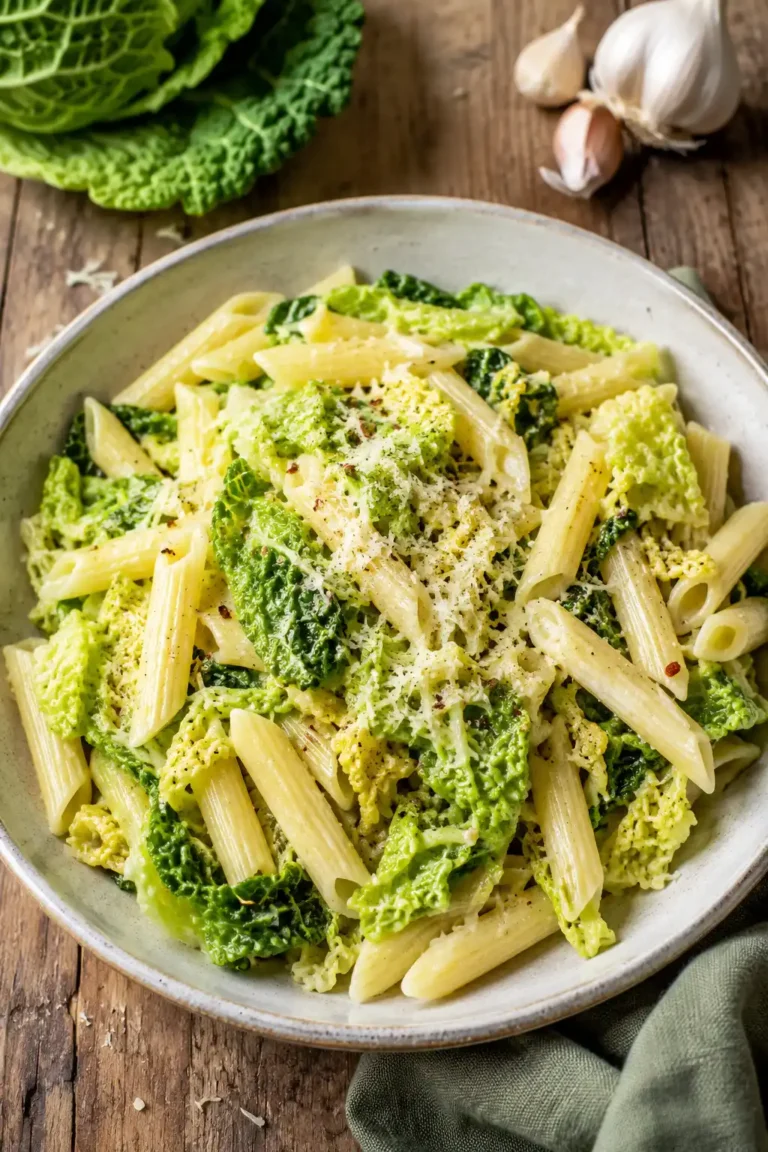
Jamie Oliver Savoy Cabbage Pasta Recipe
This Jamie Oliver-inspired savoy cabbage pasta is a simple, comforting, and flavorful dish that transforms everyday ingredients into a satisfying meal. Tender pasta is tossed with sweet Savoy cabbage, garlic, olive oil, and Parmesan cheese for a quick weeknight dinner that feels both wholesome and delicious.
- Total Time: 30 minutes
- Yield: 4 servings
Ingredients
- 300g penne pasta
- 1 small savoy cabbage, thinly sliced
- 3 garlic cloves, finely sliced
- 3 tablespoons extra virgin olive oil
- 50g parmesan cheese, freshly grated
- ½ teaspoon sea salt
- ½ teaspoon black pepper
- ¼ teaspoon red chili flakes (optional)
- Zest of 1 lemon (optional)
- ½ cup reserved pasta water
Instructions
- Bring a large pot of salted water to a boil.
- Cook the pasta according to package instructions until al dente.
- Reserve ½ cup of pasta water before draining.
- Heat olive oil in a large skillet over medium heat.
- Add sliced garlic and cook until fragrant, about 1 minute.
- Stir in the savoy cabbage and cook for 4–5 minutes until softened.
- Add the cooked pasta to the skillet.
- Pour in a little reserved pasta water and toss everything together.
- Season with salt, black pepper, and chili flakes if using.
- Stir in most of the Parmesan cheese.
- Serve immediately, topped with the remaining Parmesan and lemon zest.
Notes
- Thinly sliced cabbage cooks faster and blends better with the pasta.
- Reserve extra pasta water to adjust the sauce consistency.
- Freshly grated Parmesan provides the best flavor.
- Add cooked pancetta, chicken, or sausage for a heartier version.
- Whole wheat pasta can be substituted for additional fiber.
- Best served fresh, but leftovers can be refrigerated for up to 3 days.
- Prep Time: 10 minutes
- Cook Time: 20 minutes
- Category: Main Course
- Method: Stovetop
- Cuisine: Italian
- Diet: Vegetarian