Jamie Oliver Summer Roast Pork and Crackling Recipe
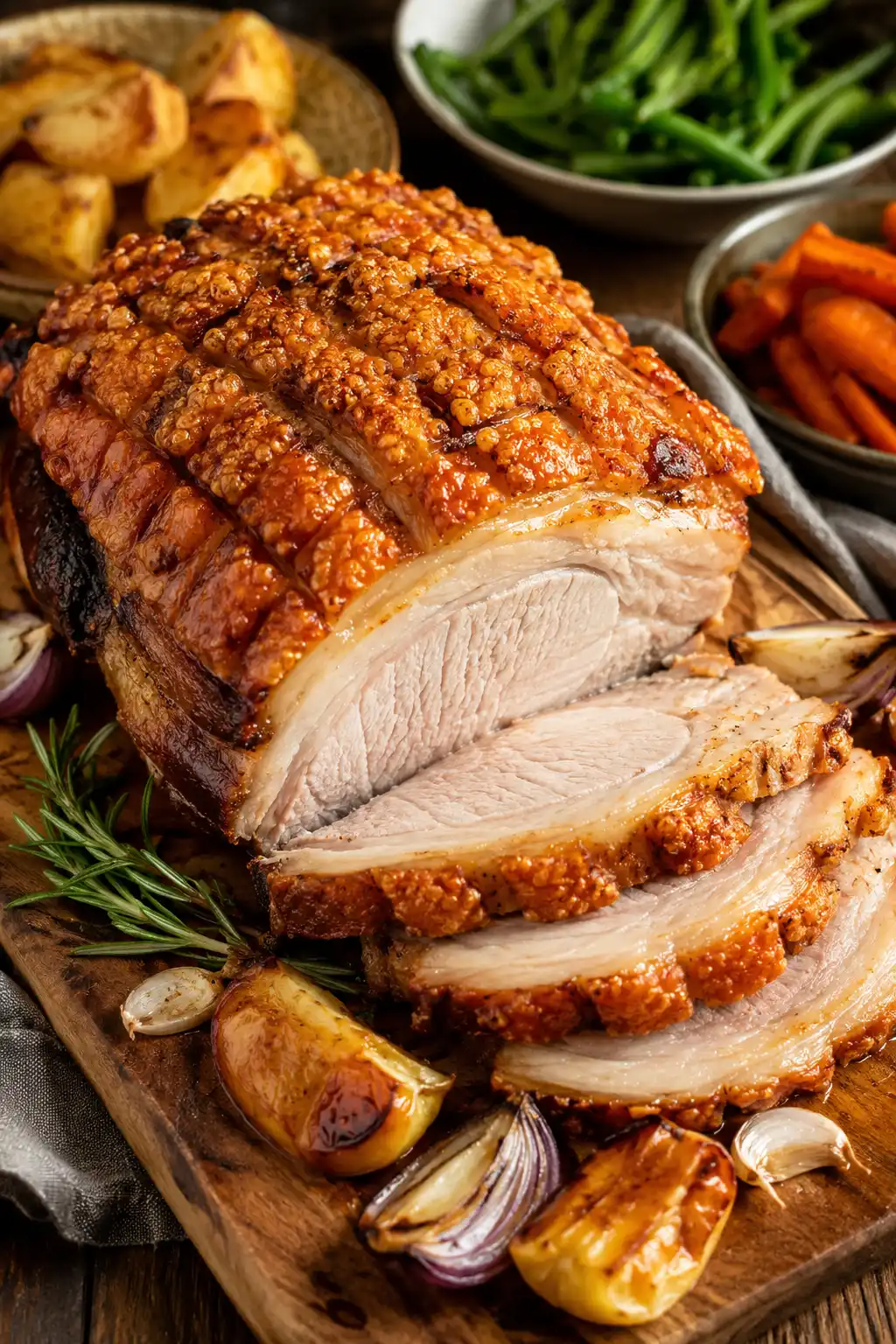
A beautifully cooked roast pork dinner has always been one of the most comforting meals on the table. The famous Jamie Oliver roast pork and crackling recipe combines crispy crackling with juicy, tender meat that melts in every bite. It’s the kind of dish that instantly fills the kitchen with mouthwatering aromas and brings everyone together around the dinner table.
Unlike complicated restaurant-style recipes, this version focuses on simple preparation and natural flavors. Jamie Oliver’s cooking style often highlights rustic ingredients, easy techniques, and foolproof methods. That’s exactly why so many home cooks return to this roast pork recipe again and again.
The magic lies in the contrast between crunchy crackling and succulent pork. While many people struggle to achieve crispy skin, this recipe simplifies the process with clear steps and practical tips. Even beginners can create a stunning roast with confidence.
Moreover, roast pork works for almost every occasion. Whether it’s a Sunday family dinner, festive celebration, or cozy winter meal, this classic dish never disappoints.
What Makes Jamie Oliver’s Roast Pork Special?
The biggest reason people adore Jamie Oliver summer roast pork and crackling is its balance of flavor and texture. The pork stays juicy inside while the skin turns golden and crispy on the outside.
Several factors make this recipe stand out:
- Simple ingredient list
- Minimal preparation time
- Foolproof crackling technique
- Rich natural flavors
- Flexible serving options
Jamie Oliver often emphasizes cooking with quality ingredients instead of relying on complicated sauces. In this recipe, sea salt, olive oil, garlic, and herbs work together to enhance the pork naturally.
Additionally, the roasting method allows the fat to slowly render during cooking. As the fat melts, the meat becomes incredibly tender while the skin crisps up beautifully. This combination creates a satisfying bite every single time.
Another benefit is versatility. The pork can be paired with roasted vegetables, mashed potatoes, salads, stuffing, or gravy. Leftovers also work wonderfully in sandwiches, wraps, and pasta dishes.
Because the recipe is approachable and reliable, many cooks use it as their go-to roast pork method throughout the year.
Choosing the Best Pork Cut
Selecting the right cut of meat is one of the most important steps for achieving perfect crackling. The best cuts for the Jamie Oliver roast pork and crackling recipe include:
| Pork Cut | Best Features |
|---|---|
| Pork Belly | Rich flavor and extra crispy crackling |
| Pork Shoulder | Tender meat with balanced fat |
| Pork Loin | Leaner option with mild flavor |
| Leg of Pork | Great for large family meals |
Pork shoulder is often considered the best all-around option because it contains enough fat to keep the meat moist during roasting. Meanwhile, pork belly delivers ultra-crispy crackling and rich flavor.
When shopping for pork, look for:
- Dry skin
- Even fat layer
- Fresh pink meat
- No strong odor
It’s also helpful to buy pork with the skin already scored. However, if the skin isn’t scored, a sharp knife can create shallow cuts across the surface.
Quality matters significantly. Free-range or locally sourced pork often produces better texture and deeper flavor.
Essential Ingredients for the Recipe
One of the best things about this roast pork recipe is its simplicity. Most ingredients are pantry staples that work together to create bold flavor without overwhelming the meat.
Main Ingredients
- 2–3 kg pork shoulder or pork belly
- Olive oil
- Sea salt
- Black pepper
- Garlic cloves
- Fresh rosemary
- Fresh thyme
- Onion
- Carrots
- Celery
Optional Flavor Additions
- Fennel seeds
- Lemon zest
- Sage leaves
- Apple slices
- White wine
Fresh herbs make a noticeable difference in aroma and taste. Rosemary pairs especially well with pork because its earthy flavor complements the richness of the meat.
Sea salt is equally important because it helps draw moisture from the skin, allowing the crackling to become extra crispy during roasting.
Kitchen Tools Needed
Although this recipe is simple, a few kitchen tools can make the cooking process easier and more successful.
Helpful Equipment
- Roasting tray
- Sharp knife
- Meat thermometer
- Kitchen paper towels
- Basting spoon
- Aluminum foil
A meat thermometer is especially useful because it prevents overcooking. Pork should reach a safe internal temperature while still remaining juicy.
Drying the skin properly with paper towels is another important detail many cooks overlook. Moisture is the enemy of crispy crackling.
Preparing the Pork Properly
Preparation plays a major role in the success of Jamie Oliver roast pork and crackling recipe. Skipping small preparation steps can lead to chewy skin instead of crunchy crackling.
Step-by-Step Preparation
- Remove the pork from the refrigerator 1 hour before cooking.
- Pat the skin completely dry.
- Score the skin carefully with a sharp knife.
- Rub olive oil all over the pork.
- Massage sea salt deeply into the cuts.
- Add black pepper and herbs.
Leaving the pork uncovered in the fridge overnight can improve crackling even further because the skin dries out naturally.
The scoring should cut through the skin but not too deeply into the meat. Proper scoring allows heat to penetrate evenly while helping the fat render during roasting.
The Secret to Perfect Crackling
Many people struggle with crackling, but a few simple techniques can dramatically improve results.
Important Crackling Tips
- Dry the skin thoroughly
- Use generous sea salt
- Start with high heat
- Avoid covering the pork
- Let the fat render slowly
The roasting process usually begins at a very high temperature. This initial blast of heat helps puff and crisp the skin quickly.
Afterward, the oven temperature is reduced so the meat cooks slowly and evenly inside.
Some cooks pour boiling water over the skin before drying it. This technique can tighten the skin and improve crispiness.
If sections remain soft near the end of cooking, increasing the heat briefly can help finish the crackling perfectly.
Step-by-Step Cooking Instructions
Ingredients
- 2.5 kg pork shoulder
- 2 tablespoons olive oil
- 2 tablespoons sea salt
- 1 tablespoon black pepper
- 4 garlic cloves
- Rosemary sprigs
- Thyme sprigs
- 2 onions
- 3 carrots
- 2 celery stalks
Cooking Method
Step 1: Prepare the Oven
Preheat the oven to 240°C (475°F).
Step 2: Season the Pork
Rub olive oil over the pork skin. Massage sea salt and pepper thoroughly into the scored cuts.
Step 3: Add Vegetables
Place onions, carrots, celery, garlic, and herbs into the roasting tray. Position the pork on top.
Step 4: Roast at High Heat
Cook for 30 minutes at high temperature to begin crisping the crackling.
Step 5: Lower the Temperature
Reduce the heat to 180°C (350°F). Roast for 2 to 2½ hours, depending on size.
Step 6: Rest the Meat
Remove pork from the oven and let it rest for 20 minutes before slicing.
Resting allows the juices to redistribute throughout the meat, keeping every slice moist and flavorful.
Best Side Dishes for Roast Pork
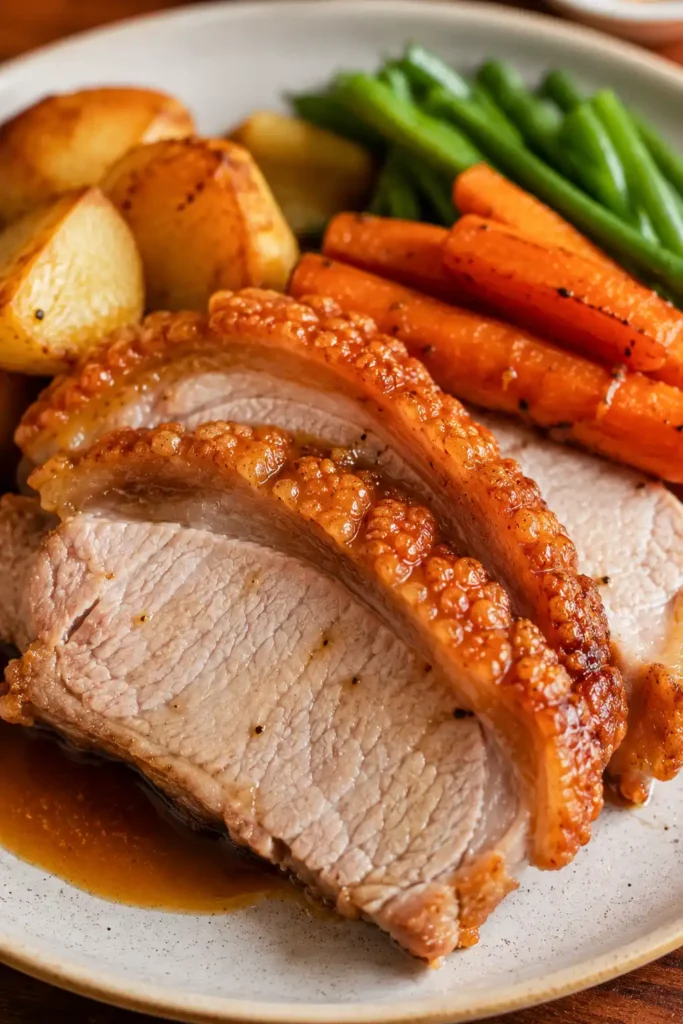
A roast pork dinner becomes even more satisfying with the right side dishes. The rich flavor of pork pairs beautifully with vegetables and comforting starches.
Popular Side Dishes
- Roasted potatoes
- Honey-glazed carrots
- Steamed green beans
- Apple sauce
- Creamy mashed potatoes
- Yorkshire pudding
- Braised cabbage
Apple sauce is especially popular because its sweetness balances the savory richness of the pork.
Roasted vegetables cooked in pork drippings also absorb incredible flavor during roasting.
Homemade Gravy Ideas
A rich homemade gravy adds another layer of comfort to the meal.
Simple Pork Gravy Method
- Remove excess fat from the roasting tray.
- Place tray on medium heat.
- Stir in flour.
- Slowly add stock.
- Whisk until smooth.
Adding white wine or apple cider can deepen the flavor further.
Fresh herbs and caramelized onions also enhance the gravy naturally without requiring heavy cream.
Common Mistakes to Avoid
Even experienced cooks occasionally make mistakes when preparing roast pork.
Frequent Problems
| Mistake | Result |
|---|---|
| Wet skin | Soft crackling |
| Low heat initially | Pale crackling |
| Overcooking | Dry meat |
| Not resting meat | Loss of juices |
| Too little salt | Bland flavor |
Avoid opening the oven too often because temperature fluctuations can affect crackling quality.
Patience is equally important. Good crackling develops over time through proper heat and rendered fat.
Storage and Reheating Tips
Leftover roast pork stores very well when handled correctly.
Storage Guidelines
- Refrigerate within 2 hours
- Store in airtight containers
- Consume within 3 days
Reheating Tips
- Use the oven instead of the microwave
- Reheat at a moderate temperature
- Separate crackling if possible
Microwaving often softens the crackling, while oven reheating helps restore some crispiness.
Leftover pork can also be used in:
- Sandwiches
- Fried rice
- Tacos
- Pasta
- Salads
Nutritional Information
Here’s an approximate nutritional overview per serving:
| Nutrient | Amount |
|---|---|
| Calories | 520 |
| Protein | 38g |
| Fat | 38g |
| Carbohydrates | 6g |
| Sodium | 680mg |
Values may vary depending on the pork cut and serving size.
Expert Tips for Better Results
Professional cooks often rely on small techniques that make a major difference.
Helpful Pro Tips
- Use room-temperature pork
- Dry the skin overnight
- Rotate the tray halfway through cooking
- Rest the meat before carving
- Use a wire rack for airflow
Another useful tip is checking the crackling near the end of roasting. If needed, place the pork under a hot grill briefly for extra crispiness.
However, watch carefully because crackling can burn quickly.
Delicious Variations of the Recipe
Once comfortable with the basic recipe, cooks can experiment with flavor variations.
Flavor Ideas
Garlic and Herb Pork
Extra garlic and rosemary create a rustic Mediterranean taste.
Apple and Sage Pork
Sweet apples pair beautifully with savory sage.
Spicy Pork Roast
Chili flakes and smoked paprika add heat and depth.
Fennel Pork Roast
Fennel seeds bring subtle sweetness and aromatic flavor.
These small adjustments allow cooks to personalize the recipe without changing the cooking method significantly.
Why Families Love This Dish
Roast pork has remained a beloved comfort food for generations. The combination of crispy crackling, tender meat, and rich aroma creates a meal that feels warm and welcoming.
Families often gather around roast dinners because they encourage conversation and shared moments. This recipe also creates leftovers, making it practical for busy households.
Another reason people love the Jamie Oliver roast pork and crackling recipe is its reliability. Once the method is learned, it consistently delivers impressive results.
It’s comforting, flavorful, and surprisingly simple — everything a great home-cooked meal should be.
FAQs About Jamie Oliver Roast Pork and Crackling
How do you make pork crackling extra crispy?
Dry skin is the key to crispy crackling. Pat the pork dry thoroughly, use generous sea salt, and start roasting at a very high temperature. High heat helps blister the skin while the salt removes moisture. Leaving the pork uncovered in the refrigerator overnight can improve crispiness even more because the skin dries naturally before roasting.
Which pork cut is best for crackling?
A Pork shoulder and pork belly are the best options for crackling. Pork belly produces richer flavor and crispier skin because of its higher fat content. Pork shoulder, however, provides a good balance between tender meat and crunchy crackling, making it a favorite choice for many home cooks preparing roast dinners.
Why is my pork crackling chewy?
Chewy crackling usually happens because the skin contains too much moisture or the oven temperature wasn’t hot enough initially. Wet skin prevents crisping, so drying the pork thoroughly is essential. Additionally, insufficient salt or overcrowding in the roasting tray can affect airflow and reduce crackling quality during cooking.
Can roast pork be prepared ahead of time?
Yes, parts of the recipe can be prepared ahead. The pork can be seasoned and refrigerated overnight, which actually improves the crackling. Vegetables may also be chopped in advance. However, the pork should ideally be roasted fresh for the best texture, flavor, and crispy crackling results.
How long should roast pork rest before slicing?
Roast pork should rest for at least 15–20 minutes after cooking. Resting allows the juices to settle inside the meat rather than spilling out immediately during slicing. This simple step helps maintain moisture and ensures each slice remains tender, juicy, and flavorful when served.
What temperature should pork be cooked to?
Pork should reach an internal temperature of 63°C (145°F) for safe eating, followed by a resting period. Using a meat thermometer helps avoid overcooking, which can dry out the meat. Slow roasting after the initial high heat helps achieve tender pork while keeping the crackling crispy.
Conclusion
Jamie Oliver summer roast pork and crackling proves that incredible roast dinners don’t need to be complicated. With simple ingredients, proper preparation, and a few expert techniques, anyone can create juicy pork with irresistibly crispy crackling.
From choosing the right cut to mastering high-heat roasting, every step contributes to the final result. Moreover, the recipe’s versatility makes it perfect for family dinners, holiday feasts, and comforting weekend meals.
Whether served with roasted vegetables, creamy potatoes, or homemade gravy, this classic dish delivers warmth and satisfaction every single time. Once mastered, it often becomes a treasured recipe that families return to for years.
For more traditional roast cooking inspiration, visit Jamie Oliver Official Website
PrintJamie Oliver Summer Roast Pork and Crackling Recipe
This Jamie Oliver roast pork and crackling recipe creates juicy, tender pork with irresistibly crispy crackling. Slow roasting allows the meat to stay moist while the skin turns beautifully golden and crunchy. Served with roasted vegetables and rich gravy, this comforting roast dinner is perfect for family gatherings, Sunday lunches, or festive occasions.
- Total Time: 3 hours 20 minutes
- Yield: 6–8 Servings
Ingredients
- 2.5 kg pork shoulder or pork belly
- 2 tablespoons olive oil
- 2 tablespoons sea salt
- 1 tablespoon black pepper
- 4 garlic cloves, crushed
- 2 sprigs fresh rosemary
- 2 sprigs fresh thyme
- 2 onions, chopped
- 3 carrots, chopped
- 2 celery stalks, chopped
- 250 ml chicken or vegetable stock
Instructions
- Preheat the oven to 240°C (475°F).
- Pat the pork skin completely dry using paper towels.
- Score the skin carefully with a sharp knife if not already scored.
- Rub olive oil all over the pork, then massage sea salt and black pepper into the skin.
- Place onions, carrots, celery, garlic, rosemary, and thyme into a roasting tray.
- Set the pork on top of the vegetables.
- Roast at high heat for 30 minutes until the crackling starts to puff and crisp.
- Reduce oven temperature to 180°C (350°F).
- Continue roasting for 2 to 2½ hours until the meat becomes tender.
- Rest the pork for 15–20 minutes before slicing.
- Serve with roasted vegetables and gravy.
Notes
- Dry skin is the secret to crispy crackling.
- Leaving the pork uncovered in the fridge overnight improves texture.
- Use a meat thermometer for perfectly cooked pork.
- Resting the meat keeps it juicy and flavorful.
- Leftovers are excellent for sandwiches and wraps.
- Prep Time: 20 minutes
- Cook Time: 3 hours
- Category: Main Course
- Method: Roasting
- Cuisine: British
- Diet: High-Protein