Jamie Oliver Beef Stew and Dumplings Recipe Guide
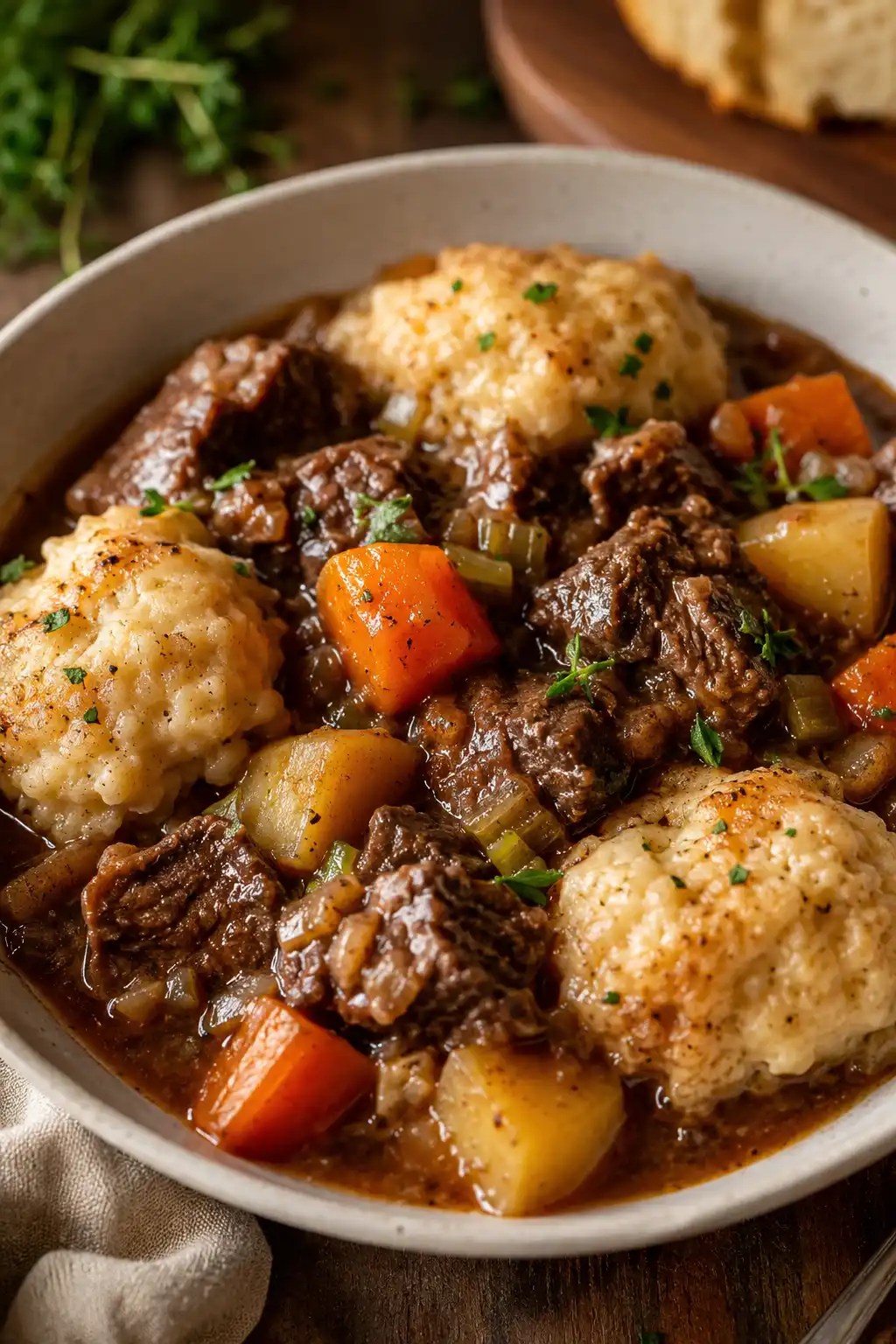
The famous Jamie Oliver beef stew and dumplings is one of those classic comfort meals that never goes out of style. Rich gravy, tender beef chunks, hearty vegetables, and fluffy dumplings come together to create a deeply satisfying dish. It’s warm, filling, and ideal for chilly evenings when families gather around the table for a homemade dinner.
Unlike many complicated slow-cooked dishes, this recipe stays simple while still delivering incredible flavor. Jamie Oliver’s cooking style focuses on fresh ingredients, easy techniques, and rustic comfort food. As a result, this beef stew feels approachable even for beginner cooks.
Another reason people love this recipe is its flexibility. Home cooks can adapt it with seasonal vegetables, different herbs, or healthier ingredients without losing the dish’s comforting nature. Moreover, the slow-cooking process allows the flavors to develop naturally, creating a rich and savory meal.
For anyone searching for a dependable one-pot dinner that tastes even better the next day, this recipe easily becomes a household favorite.
Why This Recipe Has Become a Comfort Food Favorite
Comfort food often connects people to memories, traditions, and home cooking. This stew does exactly that. The rich aroma filling the kitchen instantly creates a cozy atmosphere that feels welcoming and familiar.
Several reasons explain why this recipe stands out:
- Tender beef melts in the mouth
- Dumplings add a soft and fluffy texture
- Vegetables absorb the flavorful gravy
- Slow cooking creates deeper taste
- One-pot meals simplify cleanup
In addition, this dish works well for both casual dinners and special gatherings. It’s hearty enough to feed a crowd while still feeling rustic and homemade.
The recipe also balances nutrition and indulgence beautifully. Beef provides protein and iron, while vegetables contribute vitamins and fiber. Meanwhile, dumplings bring the satisfying comfort element many people crave during colder months.
Unlike heavily processed ready-made meals, homemade stew allows complete control over ingredients. That makes it easier to reduce salt, add more vegetables, or choose leaner cuts of beef if desired.
Most importantly, this recipe reminds people that simple ingredients can create truly memorable meals.
Ingredients Needed for the Perfect Beef Stew
The quality of ingredients plays a major role in the final flavor. Fresh vegetables, good beef, and aromatic herbs transform this dish from ordinary to exceptional.
Choosing the Best Cut of Beef
Not every cut works well for slow cooking. Tougher cuts become tender over time, making them ideal for stew recipes.
Best beef cuts include:
- Chuck steak
- Braising steak
- Beef shin
- Brisket
- Stewing beef
These cuts contain connective tissue that breaks down slowly during cooking. Consequently, the meat becomes juicy and flavorful instead of dry.
Essential Vegetables and Herbs
Classic stew vegetables create a balanced flavor profile. Most traditional versions include:
- Onions
- Carrots
- Celery
- Garlic
- Potatoes
- Mushrooms
Fresh herbs also enhance the dish significantly. Thyme, rosemary, parsley, and bay leaves work especially well.
Main Ingredients Table
| Ingredient | Purpose |
|---|---|
| Beef chunks | Main protein |
| Flour | Thickens gravy |
| Beef stock | Adds rich flavor |
| Onion | Sweetness and depth |
| Carrots | Natural sweetness |
| Celery | Earthy flavor |
| Garlic | Aromatic base |
| Herbs | Fresh herbal notes |
| Dumpling dough | Soft topping |
Using fresh ingredients rather than canned alternatives improves both texture and taste considerably.
Kitchen Equipment That Makes Cooking Easier
Although this recipe feels rustic, the right equipment simplifies preparation and improves cooking consistency.
Helpful kitchen tools include:
- Large Dutch oven
- Slow cooker
- Sharp chef’s knife
- Wooden spoon
- Mixing bowl
- Measuring cups
A heavy-bottomed pot works best because it distributes heat evenly. This prevents the stew from sticking or burning during long cooking periods.
Slow cookers also work wonderfully for busy households. Many people prepare ingredients in the morning and return home to a fully cooked dinner later in the day.
Meanwhile, a sharp knife makes vegetable preparation quicker and safer. Uniform vegetable pieces also cook more evenly.
For dumplings, a simple mixing bowl and spoon are enough. There’s no need for fancy baking equipment, which keeps this recipe accessible to beginner cooks.
Step-by-Step Jamie Oliver Beef Stew and Dumplings Recipe
Making this hearty meal requires patience rather than advanced cooking skills. Each step builds flavor gradually, creating a rich and satisfying final dish.
Preparing the Beef Properly
Start by coating beef chunks lightly in flour, salt, and black pepper. This simple step helps create a thicker stew later.
Next, heat olive oil in a large pot and brown the beef in batches. Avoid overcrowding the pan because steaming prevents proper caramelization.
Proper browning creates:
- Richer flavor
- Better texture
- Deeper gravy color
- Enhanced savory notes
After browning, remove the beef temporarily and cook onions, carrots, celery, and garlic in the same pot.
Building Deep Flavor in the Stew
Once vegetables soften, return the beef to the pot and add:
- Beef stock
- Tomato paste
- Fresh herbs
- Worcestershire sauce
The slow simmer allows all ingredients to blend beautifully. Over time, vegetables soften while the gravy thickens naturally.
A splash of red wine can also add complexity. However, it’s optional and not necessary for excellent results.
Slow Cooking for Tender Results
Low and slow cooking remains the secret behind tender stew meat.
Cooking methods include:
| Method | Time |
|---|---|
| Oven | 2.5–3 hours |
| Stovetop | 2–3 hours |
| Slow cooker | 6–8 hours |
During cooking, stir occasionally and check liquid levels. If the stew becomes too thick, add a little extra stock.
Toward the end of cooking, the beef should pull apart easily with a fork.
How to Make Soft and Fluffy Dumplings
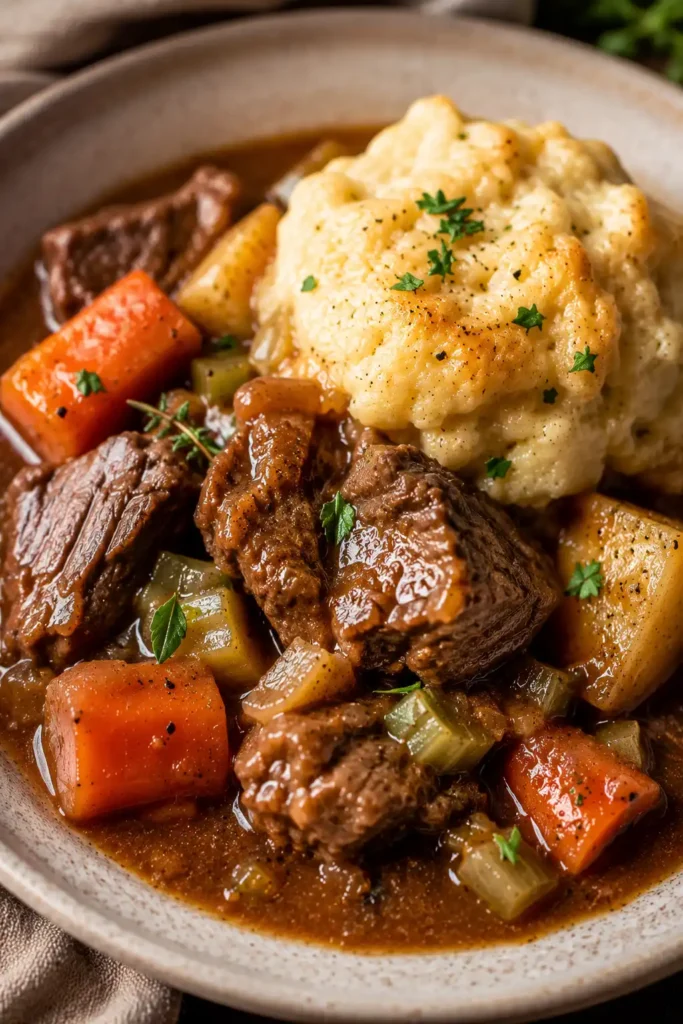
Dumplings are the highlight of this recipe. Their fluffy texture pairs perfectly with the rich stew beneath them.
Traditional Dumpling Ingredients
Classic dumplings require only a few pantry staples:
- Self-rising flour
- Suet or butter
- Salt
- Water
- Fresh herbs
The dough should remain soft but not sticky. Overmixing can make dumplings dense instead of airy.
Tips for Light Texture
Perfect dumplings depend on careful handling.
Helpful tips include:
- Mix dough gently
- Avoid adding too much liquid
- Leave space between dumplings
- Keep lid closed during steaming
Once placed on top of the stew, dumplings steam beautifully while absorbing savory flavors from the gravy below.
Many home cooks also add chopped parsley or thyme to the dough for extra flavor.
After about 20 minutes, dumplings become golden on top while staying soft inside.
Expert Cooking Tips for Better Results
Small adjustments can elevate this dish significantly. Experienced cooks often rely on these techniques for restaurant-quality flavor.
Pro Tips
- Brown beef thoroughly before simmering
- Use homemade stock when possible
- Add herbs gradually
- Taste seasoning near the end
- Let stew rest before serving
Resting the stew for 10–15 minutes improves flavor balance because ingredients settle naturally.
Additionally, many cooks find that stew tastes even better the next day. Overnight refrigeration allows flavors to deepen further.
Another useful trick involves adding mushrooms during the final hour of cooking. This preserves their texture while still allowing them to absorb flavor.
For thicker gravy, mash a few cooked potatoes directly into the stew instead of adding extra flour.
Common Mistakes to Avoid
Even simple recipes can go wrong without proper attention.
Frequent Errors
Overcrowding the Pan
Too much beef in the pan prevents browning and creates excess moisture.
Cooking Too Quickly
High heat makes beef tough instead of tender.
Adding Dumplings Too Early
Dumplings may dissolve if added before the stew stabilizes.
Overmixing Dumpling Dough
This creates heavy, chewy dumplings.
Underseasoning
Slow-cooked dishes often need extra seasoning near the end.
Avoiding these mistakes helps ensure consistently delicious results every time.
Best Side Dishes to Serve with Beef Stew
Although this stew is filling on its own, side dishes can complete the meal beautifully.
Popular serving ideas include:
- Crusty bread
- Buttered green beans
- Mashed potatoes
- Roasted vegetables
- Simple green salad
Fresh bread remains especially popular because it absorbs the rich gravy wonderfully.
For lighter balance, steamed greens such as broccoli or peas work very well. Their freshness contrasts nicely with the hearty stew.
Families often serve this dish during colder months alongside warm drinks and rustic desserts, creating a complete comfort-food experience.
Storage and Reheating Instructions
One major advantage of this recipe is its excellent storage quality.
Refrigeration
Store cooled stew in an airtight container for up to 4 days.
Freezing
The stew freezes well for up to 3 months. However, dumplings are best made fresh.
Reheating Tips
For best texture:
- Reheat slowly on the stovetop
- Add extra stock if needed
- Stir occasionally
- Avoid high microwave heat
Slow reheating preserves tenderness while preventing the gravy from separating.
Meal preppers especially appreciate this recipe because large batches provide multiple satisfying meals throughout the week.
Healthy Variations and Ingredient Swaps
This classic dish adapts easily to different dietary preferences.
Healthier Ingredient Ideas
| Traditional Ingredient | Healthier Swap |
|---|---|
| White flour | Whole wheat flour |
| Suet | Olive oil |
| Fatty beef | Lean stewing beef |
| Standard potatoes | Sweet potatoes |
Additional vegetables can also boost nutrition:
- Parsnips
- Turnips
- Peas
- Kale
- Spinach
Some cooks even make vegetarian versions using mushrooms and lentils instead of beef.
These adjustments maintain the comforting nature of the dish while improving nutritional balance.
Why Slow Cooking Improves Flavor
Slow cooking transforms simple ingredients into rich comfort food through gradual flavor development.
As beef cooks slowly, connective tissues break down naturally. This process creates tenderness and thickens the broth simultaneously.
Vegetables also soften slowly, releasing sweetness into the stew. Meanwhile, herbs infuse the liquid steadily rather than overpowering the dish immediately.
Several cooking reactions occur during slow simmering:
- Protein softens
- Collagen melts
- Aromas deepen
- Moisture distributes evenly
Because of these processes, slow-cooked meals often taste richer than quickly prepared dishes.
Patience truly becomes the secret ingredient in recipes like this.
Nutritional Benefits of Homemade Beef Stew
Homemade stew offers several nutritional advantages compared to processed convenience foods.
Key Nutrients
- Protein from beef
- Fiber from vegetables
- Iron and zinc
- Vitamin A
- Potassium
Protein supports muscle maintenance and keeps meals filling longer. Meanwhile, vegetables provide antioxidants and important vitamins.
Cooking at home also allows control over:
- Sodium levels
- Fat content
- Portion sizes
- Ingredient quality
When balanced with vegetables and moderate dumpling portions, this recipe becomes both comforting and nutritious.
Family-Friendly Meal Planning Ideas
This dish works perfectly for weekly meal planning because it’s affordable, filling, and easy to scale for larger families.
Smart Meal Prep Ideas
- Chop vegetables ahead of time
- Freeze stew portions individually
- Prepare dumpling mix in advance
- Use leftovers for pies or casseroles
Busy households appreciate meals that save time without sacrificing flavor.
In addition, children often enjoy this recipe because the flavors remain mild yet comforting. Soft vegetables and tender meat create a texture many picky eaters accept easily.
Families can also customize servings with different toppings such as parsley, cracked pepper, or extra herbs.
FAQs About Jamie Oliver Beef Stew and Dumplings
Can Jamie Oliver beef stew and dumplings recipe be made in a slow cooker?
Yes, this recipe works extremely well in a slow cooker. Many home cooks prefer this method because it allows the flavors to develop gradually throughout the day. The beef becomes very tender, while the vegetables soften perfectly without falling apart. To achieve the best results, brown the beef first before transferring it to the slow cooker. This step adds richer flavor and better color to the final dish. Dumplings should be added during the last 30 minutes of cooking so they stay fluffy and do not become soggy. Using low heat for 6–8 hours usually produces the most flavorful and tender stew.
What is the best beef cut for stew and dumplings?
The best cuts are usually chuck steak, braising steak, brisket, or beef shin. These cuts contain connective tissue that softens during slow cooking, resulting in juicy and flavorful meat. Lean cuts often become dry and tough because they lack enough fat and collagen. Budget-friendly cuts actually perform better in stew recipes because long cooking transforms them into tender bites. Choosing evenly sized beef pieces also helps ensure consistent cooking. Many experienced cooks recommend chuck steak because it balances flavor, texture, and affordability very well for traditional beef stew recipes.
Why are dumplings sometimes dense instead of fluffy?
Dense dumplings usually result from overmixing the dough or adding too much liquid. Gentle mixing helps keep the dough light and airy. In addition, using fresh self-rising flour improves texture significantly because old flour may lose its rising ability over time. Another common mistake involves lifting the pot lid too often while the dumplings cook. Steam helps them rise properly, so keeping the lid closed is important. The dough should remain soft but not sticky. Proper spacing between dumplings also allows even cooking and better texture throughout the batch.
Can beef stew and dumplings be frozen?
The stew itself freezes very well and can last up to three months when stored properly in airtight containers. However, dumplings often lose their soft texture after freezing and reheating. For the best quality, many cooks freeze only the stew and prepare fresh dumplings when serving later. Before freezing, allow the stew to cool completely to avoid excess condensation and ice crystals. When reheating, warm the stew slowly over medium-low heat and add a splash of stock if the gravy becomes too thick. Proper storage helps preserve both flavor and texture.
How can the stew be thickened naturally?
Several natural methods can thicken stew without relying heavily on extra flour or cornstarch. One popular option involves mashing some cooked potatoes directly into the gravy. Their starch creates a smoother and richer consistency naturally. Slow simmering also reduces excess liquid over time, concentrating the flavors while thickening the stew. Some cooks additionally blend a small portion of vegetables and stir them back into the pot. Browning the beef with flour before cooking also contributes to a thicker final texture. These methods help maintain a rich homemade flavor without making the stew overly heavy.
What vegetables work best in beef stew?
Classic vegetables such as carrots, onions, celery, and potatoes remain the most popular choices because they hold their texture well during long cooking times. However, many additional vegetables can enhance flavor and nutrition. Mushrooms add earthy richness, while parsnips contribute natural sweetness. Peas and green beans work nicely near the end of cooking because they stay bright and fresh. Root vegetables generally perform best because they withstand slow simmering without becoming mushy. Seasonal produce also works well, allowing home cooks to adapt the recipe throughout the year while maintaining its comforting appeal.
Conclusion
The Jamie Oliver beef stew and dumplings recipe continues to win hearts because it combines simplicity, warmth, and deep homemade flavor in one comforting dish. Tender beef, rich gravy, hearty vegetables, and fluffy dumplings create a meal that feels timeless and satisfying.
Moreover, the recipe adapts easily for modern kitchens, meal prep routines, and healthier ingredient choices. Whether cooked in a Dutch oven, slow cooker, or stovetop pot, the result remains deeply comforting and family-friendly.
With proper preparation, slow cooking, and attention to detail, even beginner cooks can create a stew that tastes rich, hearty, and restaurant-worthy. Most importantly, this recipe reminds people that comforting homemade meals never lose their charm.
For more classic comfort food inspiration, readers can also explore Jamie Oliver Official Website for cooking ideas and seasonal recipes.
Print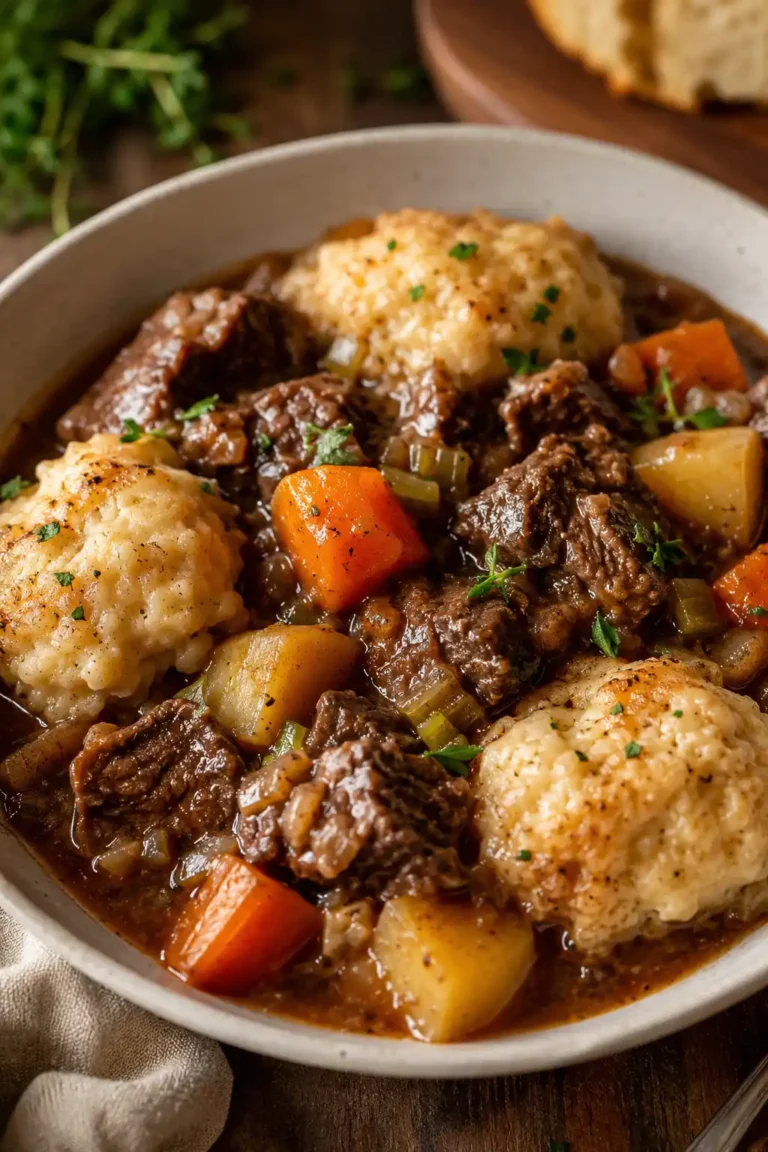
Jamie Oliver Beef Stew and Dumplings Recipe
This Jamie Oliver beef stew and dumplings recipe is the ultimate comfort food dinner packed with tender slow-cooked beef, rich savory gravy, hearty vegetables, and soft fluffy dumplings. Perfect for chilly evenings and family gatherings, this rustic one-pot meal delivers deep homemade flavor with simple ingredients and easy cooking techniques.
- Total Time: 3 hours 20 minutes
- Yield: 6 servings
Ingredients
For the Beef Stew
- 2 lbs beef chuck or braising steak, diced
- 2 tablespoons olive oil
- 1 large onion, chopped
- 3 carrots, sliced
- 2 celery stalks, chopped
- 3 garlic cloves, minced
- 2 tablespoons plain flour
- 2 tablespoons tomato paste
- 4 cups beef stock
- 1 tablespoon Worcestershire sauce
- 1 teaspoon fresh thyme
- 1 rosemary sprig
- 2 bay leaves
- Salt and black pepper to taste
- 8 oz mushrooms, sliced
- 2 potatoes, diced
For the Dumplings
- 1 cup self-rising flour
- ½ cup shredded suet or cold butter
- 1 tablespoon chopped parsley
- Pinch of salt
- 5–6 tablespoons cold water
Instructions
- Brown the Beef: Heat olive oil in a large Dutch oven over medium-high heat. Coat beef lightly with flour, salt, and pepper. Brown the beef in batches until golden, then remove and set aside.
- Cook the Vegetables: In the same pot, add onion, carrots, celery, garlic, mushrooms, and potatoes. Cook for 5–6 minutes until softened.
- Build the Stew: Stir in tomato paste, Worcestershire sauce, thyme, rosemary, and bay leaves. Return beef to the pot and pour in beef stock. Bring to a gentle simmer.
- Slow Cook: Cover and cook on low heat for 2½–3 hours until the beef becomes tender and the gravy thickens.
- Make the Dumplings: Mix self-rising flour, suet, parsley, and salt in a bowl. Add cold water gradually until a soft dough forms. Shape into small balls.
- Cook the Dumplings: Place dumplings on top of the stew during the final 20 minutes of cooking. Cover with a lid and allow them to steam until fluffy and cooked through.
- Serve: Remove herbs and serve hot with crusty bread or steamed greens.
Notes
- Brown the beef properly for deeper flavor.
- Avoid lifting the lid while dumplings cook.
- Add extra stock if the stew becomes too thick.
- Fresh herbs create the best flavor.
- The stew tastes even better the next day.
- Dumplings are best served fresh rather than frozen.
- Prep Time: 20 minutes
- Cook Time: 3 hours
- Category: Main Course
- Method: Slow Cooking
- Cuisine: British / European
- Diet: High-Protein