Jamie Oliver Pan Pizza Recipe for Crispy Homemade Pizza
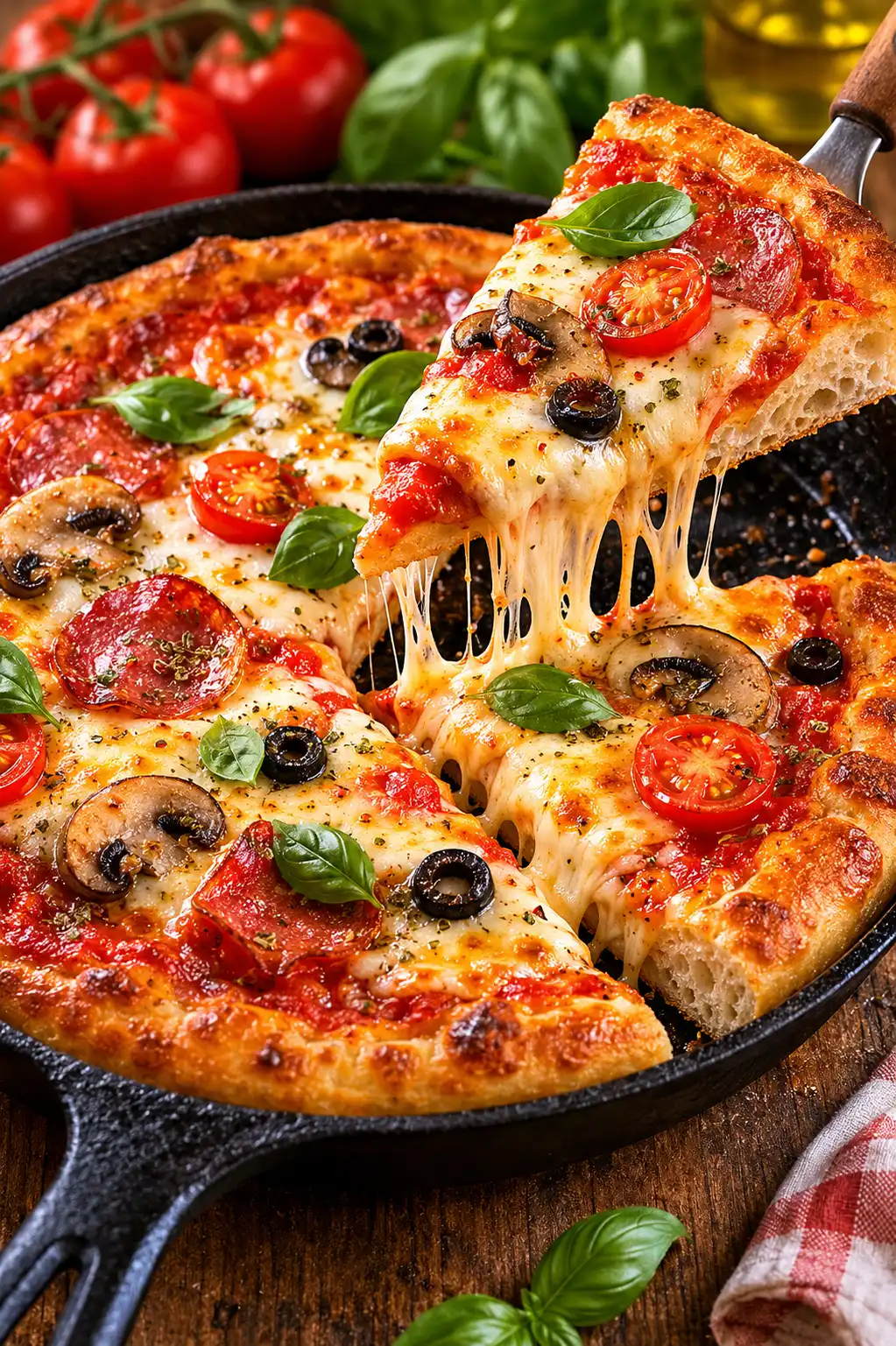
The Jamie Oliver pan pizza recipe has become a favorite among home cooks because it combines simplicity with bold flavor. Unlike traditional thin-crust pizzas, pan pizza offers a thick, airy base with crispy golden edges and a soft interior. It feels comforting, hearty, and perfect for sharing during family dinners or casual gatherings.
This pizza style also suits beginners because the dough is forgiving and easy to handle. Even better, the recipe doesn’t require expensive equipment or complicated steps. A sturdy baking pan, quality ingredients, and a little patience are enough to create a delicious homemade pizza that rivals takeaway versions.
Many people enjoy this recipe because it encourages creativity. From classic mozzarella and basil to loaded vegetable toppings, the options are endless. While the crust remains the star of the show, the sauce and toppings bring balance and freshness to every bite.
Another reason this pizza stands out is its texture. The crust develops a crispy bottom while remaining fluffy inside. That contrast creates an irresistible bite that keeps everyone coming back for another slice.
Why This Pizza Recipe Stands Out
Pan pizza has gained popularity for its rich flavor and satisfying texture. However, the Jamie Oliver version adds a rustic homemade touch that feels approachable and authentic. Instead of relying on processed shortcuts, the recipe focuses on fresh ingredients and straightforward cooking methods.
One major advantage is versatility. The dough works beautifully with classic toppings like pepperoni, mushrooms, onions, or fresh herbs. At the same time, adventurous cooks can experiment with roasted vegetables, spicy chicken, or gourmet cheeses.
Another standout feature is the crispy edge created by olive oil in the pan. As the dough bakes, the edges become golden and crunchy while the center remains soft. This combination delivers the comforting feel of bakery-style pizza without needing a wood-fired oven.
The recipe also works well for busy households. Dough can be prepared ahead of time and refrigerated overnight, which actually improves flavor. Therefore, it becomes easier to plan meals around work schedules or weekend gatherings.
Most importantly, homemade pizza creates a memorable experience. Preparing dough, spreading sauce, and adding toppings turns dinner into an enjoyable activity for the whole family.
The Inspiration Behind Pan Pizza
Pan pizza traces its roots to Italian-American kitchens where cooks adapted traditional pizza recipes using deep pans and household ovens. Over time, the style evolved into a beloved comfort food known for its thick crust and generous toppings.
Jamie Oliver’s cooking philosophy celebrates accessible food made from fresh ingredients. That approach fits perfectly with pan pizza because it allows cooks to create restaurant-quality meals at home without unnecessary complications.
Unlike ultra-thin Italian pizzas, pan pizza focuses on texture and richness. The dough rises inside an oiled pan, creating airy pockets and crispy edges. Meanwhile, the toppings become deeply flavorful as they bake together.
The recipe also reflects modern cooking trends. People increasingly value homemade meals that feel both comforting and customizable. Pan pizza answers those needs by offering flexibility, affordability, and crowd-pleasing flavor.
Because of its rustic appearance and hearty structure, this pizza style suits casual dining. It’s perfect for movie nights, birthday parties, or relaxed weekend meals with friends.
Essential Ingredients for Success
Creating a memorable pizza starts with high-quality ingredients. Although the ingredient list looks simple, each component contributes to texture, flavor, and overall balance.
Choosing the Right Flour
Strong bread flour works best because it contains higher protein levels. This helps develop gluten, giving the crust a chewy and airy structure. However, all-purpose flour can still produce excellent results for beginners.
For extra flavor, some cooks mix a small portion of whole wheat flour into the dough. This creates a nuttier taste and slightly denser texture.
Best Cheese Options
Mozzarella remains the classic choice due to its creamy melt and mild flavor. Fresh mozzarella provides softness, while low-moisture mozzarella creates that stretchy cheese pull many people love.
Other excellent additions include:
- Parmesan for sharpness
- Cheddar for richness
- Provolone for smoky depth
- Goat cheese for tanginess
Sauce Tips for Extra Flavor
A simple tomato sauce often works best. Crushed tomatoes, garlic, olive oil, oregano, and basil create a balanced flavor that complements the dough instead of overpowering it.
Adding a pinch of sugar can reduce acidity, while chili flakes introduce subtle heat.
Kitchen Equipment Needed
One reason the Jamie Oliver pan pizza recipe appeals to home cooks is its minimal equipment requirement. Most kitchens already contain everything necessary for success.
Essential tools include:
- Large mixing bowl
- Measuring cups and spoons
- Wooden spoon
- Baking pan or cast-iron skillet
- Oven
- Dough scraper
- Rolling pin (optional)
A cast-iron skillet is especially useful because it retains heat exceptionally well. As a result, the crust becomes crispier and more evenly cooked.
If possible, using a pizza stone underneath the pan can improve heat distribution further. However, standard ovens still produce excellent results without special tools.
Preparing the Dough Step by Step
The dough forms the heart of the pizza. While toppings often receive the most attention, a properly prepared dough creates the foundation for texture and flavor.
Mixing the Dough Properly
Start by combining warm water, yeast, and a little sugar. Allow the mixture to sit until foamy. This indicates the yeast is active and ready to work.
Next, add flour, olive oil, and salt. Stir until a shaggy dough forms. At this stage, the dough may look rough, but that’s completely normal.
Kneading Techniques
Transfer the dough onto a lightly floured surface. Knead for about 8–10 minutes until smooth and elastic. Proper kneading strengthens gluten strands and improves texture.
If the dough sticks too much, sprinkle tiny amounts of flour gradually instead of adding large quantities all at once.
Proofing for Better Texture
Place the dough into an oiled bowl and cover it with a towel. Allow it to rise until doubled in size. Depending on room temperature, this usually takes 1–2 hours.
Longer fermentation enhances flavor significantly. Therefore, refrigerating the dough overnight often produces superior results.
How to Make the Signature Pizza Sauce
A flavorful sauce elevates the entire pizza experience. Fortunately, homemade sauce requires only a few ingredients and minimal cooking time.
Basic Sauce Ingredients
| Ingredient | Purpose |
|---|---|
| Crushed tomatoes | Base flavor |
| Garlic | Aromatic depth |
| Olive oil | Richness |
| Oregano | Earthy flavor |
| Basil | Freshness |
| Salt | Balance |
| Chili flakes | Gentle heat |
Begin by heating olive oil in a saucepan. Add minced garlic and cook briefly until fragrant. Then stir in crushed tomatoes and seasonings.
Simmer the sauce for about 20 minutes so flavors can blend together. Stir occasionally to prevent sticking.
Fresh basil added near the end keeps the sauce vibrant and aromatic.
Building the Perfect Pan Pizza
Assembling the pizza properly ensures even cooking and balanced flavor in every slice.
Layering Ingredients Correctly
First, coat the pan generously with olive oil. This prevents sticking while creating the signature crispy crust.
Stretch the dough gently into the pan. If it resists, let it rest for several minutes before trying again.
Spread sauce evenly, leaving slight space around the edges. Then add cheese and toppings carefully without overcrowding.
Preventing a Soggy Crust
Excess moisture often causes soggy pizza. To avoid this problem:
- Pat vegetables dry before using
- Use moderate sauce amounts
- Pre-cook watery toppings like mushrooms
- Bake at high heat
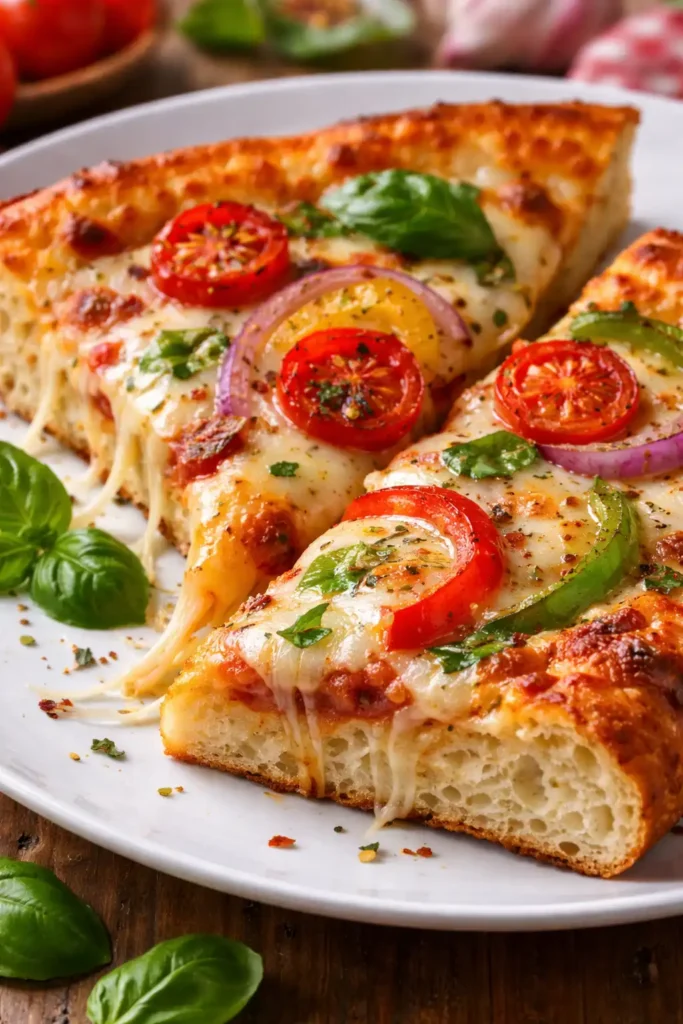
These small adjustments make a major difference in texture.
Baking Tips for Restaurant-Style Results
Temperature plays a critical role in pizza success. Most home ovens should be preheated to their highest setting, usually around 240°C or 475°F.
Allowing the oven to heat fully ensures the crust cooks quickly and evenly. Placing the pan on the lower oven rack also helps crisp the bottom.
The pizza typically requires 15–20 minutes of baking time. However, exact timing depends on pan thickness and topping quantity.
Signs of readiness include:
- Golden crust edges
- Bubbling cheese
- Crisp bottom
- Fully melted toppings
For extra flavor, brushing olive oil onto the crust immediately after baking creates a glossy finish and richer taste.
Delicious Topping Variations
One of the greatest strengths of pan pizza is adaptability. Different toppings allow endless customization based on personal preference.
Classic Combinations
- Pepperoni and mozzarella
- Mushroom and onion
- Ham and pineapple
- Margherita with basil
Gourmet Ideas
- Goat cheese and caramelized onions
- Spicy sausage and chili honey
- Roasted vegetables and feta
- Chicken pesto and spinach
Vegetarian Options
Vegetarian toppings can be incredibly satisfying when balanced correctly. Roasted peppers, olives, zucchini, spinach, and artichokes create rich flavor without meat.
Fresh herbs added after baking brighten every bite beautifully.
Common Mistakes to Avoid
Even experienced cooks occasionally struggle with homemade pizza. Fortunately, avoiding a few common mistakes improves results dramatically.
Using Too Much Flour
Excess flour makes dough dry and dense. Instead, use minimal flour while kneading.
Underproofing the Dough
Insufficient rise time prevents proper texture development. Therefore, patience is essential.
Overloading Toppings
Heavy toppings trap moisture and prevent crispness. Balanced portions work best.
Baking at Low Temperature
Lower temperatures often create pale crusts and uneven cooking. High heat delivers better texture and flavor.
Nutritional Benefits of Homemade Pizza
Homemade pizza can actually become a balanced meal when prepared thoughtfully. Unlike many fast-food versions, homemade recipes allow complete ingredient control.
Benefits include:
- Reduced preservatives
- Fresh vegetables
- Adjustable salt levels
- Better-quality oils
- Custom protein choices
Whole wheat flour increases fiber content, while vegetable toppings add vitamins and minerals.
Additionally, portion control becomes easier when serving homemade pizza at the table.
Serving Suggestions
The Jamie Oliver pan pizza recipe pairs wonderfully with simple side dishes that balance richness.
Excellent serving options include:
- Fresh green salad
- Garlic roasted vegetables
- Tomato soup
- Lemon herb potatoes
- Sparkling lemonade
For gatherings, cutting the pizza into smaller squares creates easy party portions.
Fresh basil, chili flakes, or grated Parmesan added at the table also enhances presentation and flavor.
Storage and Reheating Tips
Leftover pizza can taste fantastic when stored and reheated correctly.
Storage
Allow slices to cool completely before refrigerating. Store them in airtight containers for up to three days.
Reheating
Avoid microwaving whenever possible because it softens the crust.
Instead:
- Reheat in a skillet for crispy edges
- Use an oven at 180°C
- Warm for 8–10 minutes
These methods restore texture far better than microwaves.
Expert Tips for Better Homemade Pizza
Professional-quality pizza often depends on small details that many beginners overlook.
Use Room Temperature Ingredients
Cold ingredients can slow yeast activity and affect dough texture.
Let Dough Rest
Resting relaxes gluten and makes shaping easier.
Don’t Skip Olive Oil
Olive oil helps develop the famous crispy pan crust.
Experiment Gradually
Trying new cheeses, herbs, or toppings keeps pizza nights exciting without overwhelming the recipe.
For more homemade cooking inspiration, readers can explore Jamie Oliver Official Website for additional recipes and kitchen techniques.
Frequently Asked Questions
Can the dough be prepared ahead of time?
Yes, the dough can easily be made in advance. In fact, many cooks believe overnight fermentation improves flavor and texture significantly. After kneading, the dough should be placed in a lightly oiled container, covered tightly, and refrigerated. Before baking, it needs about 30–45 minutes at room temperature so it becomes easier to stretch and shape properly.
What type of pan works best for pan pizza?
Cast-iron skillets are often considered the best option because they distribute heat evenly and create an exceptionally crispy crust. However, deep baking trays and heavy metal pans also work very well. The most important factor is using a sturdy pan that can tolerate high oven temperatures without warping during baking.
Why does homemade pizza sometimes become soggy?
Soggy pizza usually happens because of excess moisture from toppings or sauce. Vegetables like mushrooms and tomatoes release water during cooking, so they should be patted dry or partially cooked beforehand. Using too much sauce can also soften the crust. Baking at high heat helps evaporate moisture quickly and improves crispness.
Can whole wheat flour replace white flour?
Whole wheat flour can definitely be used, although it changes texture slightly. Many cooks prefer mixing whole wheat and white bread flour for balanced flavor and softness. Using only whole wheat flour may produce a denser crust, but additional hydration and longer resting time can help improve the final texture considerably.
How can the crust become extra crispy?
Generous olive oil in the pan is one of the most effective methods for creating crispy crust edges. Preheating the oven thoroughly also matters because intense heat cooks the bottom quickly. Baking the pizza on a lower oven rack and avoiding excessive toppings further improves crust crispness and overall texture consistency.
Which cheese melts best for pan pizza?
Low-moisture mozzarella remains the most reliable option because it melts evenly and creates the classic stretchy texture many people expect. Fresh mozzarella works beautifully too, although it contains more moisture. Combining mozzarella with Parmesan, provolone, or cheddar adds depth of flavor while still maintaining excellent melting performance.
Conclusion
The Jamie Oliver pan pizza recipe proves that homemade pizza can be both simple and deeply satisfying. With its crispy golden crust, airy center, rich tomato sauce, and bubbling cheese, this recipe delivers restaurant-style comfort directly from a home kitchen.
Because the recipe encourages creativity, it suits every type of cook. Beginners appreciate the approachable steps, while experienced food lovers enjoy experimenting with toppings and flavors. From classic pepperoni combinations to gourmet vegetable creations, every version offers warmth and comfort.
Most importantly, homemade pan pizza creates memorable moments around the table. The process of mixing dough, layering toppings, and sharing fresh slices transforms ordinary dinners into enjoyable experiences.
With the right ingredients, proper technique, and a little patience, anyone can master this delicious pizza style and enjoy crispy perfection every single time.
Print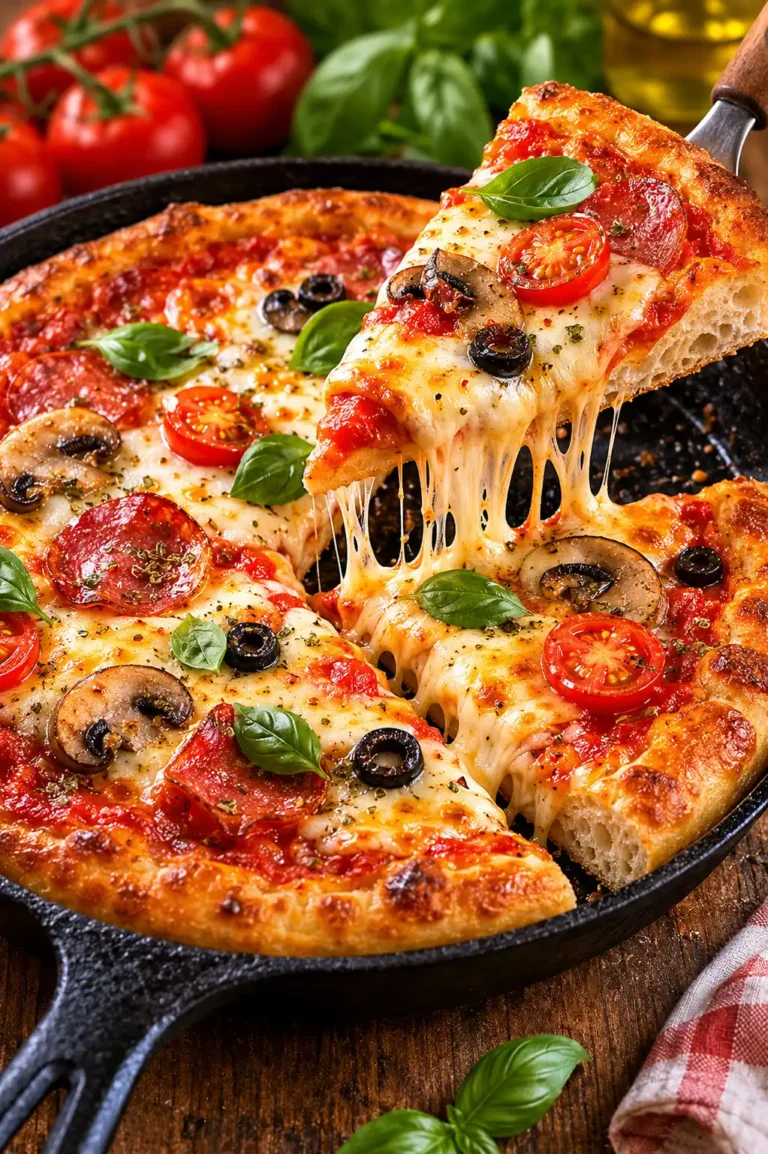
Jamie Oliver Pan Pizza Recipe
This Jamie Oliver-inspired pan pizza recipe creates a crispy golden crust with a fluffy center, rich tomato sauce, and perfectly melted cheese. Made with simple pantry ingredients and baked in a skillet or baking pan, this homemade pizza delivers restaurant-style flavor with an easy step-by-step method. Perfect for family dinners, pizza nights, and casual gatherings.
- Total Time: 40 minutes
- Yield: 6 servings
Ingredients
For the Dough
- 3 ½ cups bread flour
- 1 ¼ cups warm water
- 2 teaspoons instant yeast
- 1 teaspoon sugar
- 2 tablespoons olive oil
- 1 teaspoon salt
For the Sauce
- 1 can crushed tomatoes
- 2 garlic cloves, minced
- 1 tablespoon olive oil
- 1 teaspoon dried oregano
- ½ teaspoon chili flakes
- Salt and black pepper to taste
For the Toppings
- 2 cups mozzarella cheese, shredded
- Fresh basil leaves
- Pepperoni or preferred toppings
- Extra olive oil for the pan
Instructions
- In a bowl, combine warm water, sugar, and yeast. Let it sit for 5 minutes until foamy.
- Add flour, olive oil, and salt. Mix until a soft dough forms.
- Knead the dough for 8–10 minutes until smooth and elastic.
- Place the dough in an oiled bowl, cover, and let rise for 1–2 hours or until doubled in size.
- Heat olive oil in a saucepan and sauté garlic for 1 minute. Add tomatoes, oregano, chili flakes, salt, and pepper. Simmer for 15–20 minutes.
- Preheat the oven to 475°F (245°C).
- Grease a cast iron skillet or deep baking pan generously with olive oil.
- Stretch the dough into the pan and press it toward the edges.
- Spread the sauce evenly over the dough. Add cheese and desired toppings.
- Bake for 15–20 minutes until the crust is golden and the cheese is bubbling.
- Garnish with fresh basil and serve hot.
Notes
- Refrigerating the dough overnight improves flavor and texture.
- Avoid overloading toppings to keep the crust crispy.
- Cast iron skillets produce the best crunchy edges.
- Fresh mozzarella gives a softer texture, while low-moisture mozzarella creates a classic cheese pull.
- Reheat leftovers in a skillet for the crispiest results.
- Prep Time: 20 minutes
- Cook Time: 20 minutes
- Category: Main Course
- Method: Baking
- Cuisine: Italian
- Diet: Vegetarian