Jamie Oliver Butternut Squash Risotto Recipe Guide & Tips
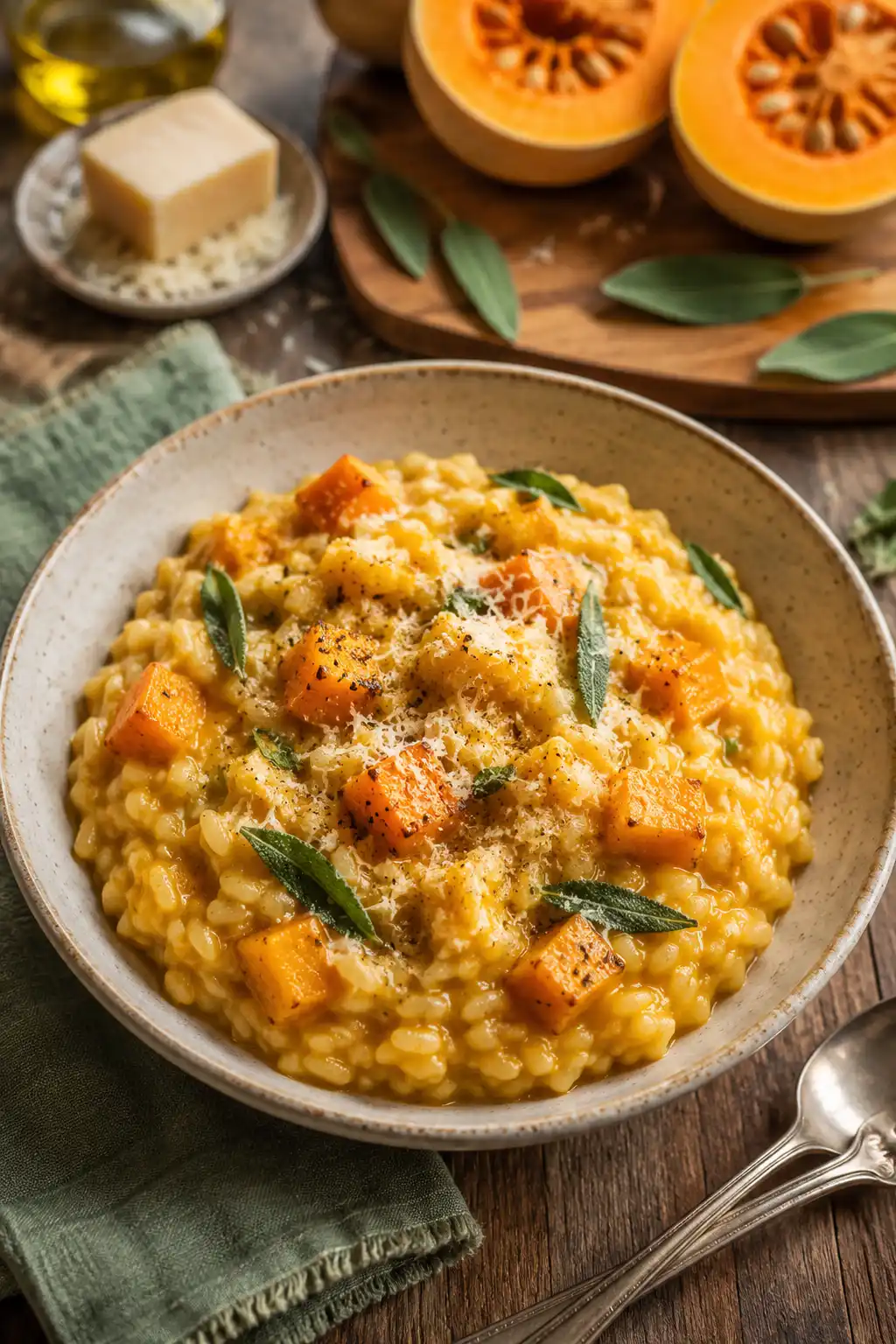
The Jamie Oliver butternut squash risotto recipe is a comforting meal that combines simple ingredients with rich flavors. Known for creating approachable recipes that focus on fresh produce, Jamie Oliver has helped many home cooks master dishes that once seemed complicated. This risotto is a perfect example. It transforms humble ingredients into a creamy, satisfying dinner that feels special enough for guests while remaining simple enough for a weeknight meal.
What makes this dish particularly appealing is the natural sweetness of roasted butternut squash. As the squash cooks, it develops a caramelized flavor that blends beautifully with creamy Arborio rice. The result is a risotto that offers depth, texture, and warmth in every bite.
Furthermore, this recipe encourages slow cooking and patience, rewarding cooks with a luxurious texture that cannot be achieved through shortcuts. Whether someone is preparing a family meal or looking for a seasonal recipe packed with flavor, this risotto delivers both comfort and elegance.
Why This Risotto Recipe Is So Popular
Many home cooks return to this recipe repeatedly because it balances simplicity and sophistication. While risotto has a reputation for being difficult, Jamie Oliver’s approach makes it much more accessible.
Some reasons for its popularity include:
- Uses affordable and easy-to-find ingredients
- Creates restaurant-quality results at home
- Features nutritious vegetables
- Offers a creamy texture without excessive cream
- Works well as a main course or side dish
- Can be adapted with various toppings and add-ins
Additionally, butternut squash provides natural sweetness that complements the savory stock and Parmesan cheese. This combination creates layers of flavor without requiring complicated cooking techniques.
Another reason for its popularity is versatility. The recipe can be adjusted according to dietary preferences and seasonal ingredients. As a result, it remains a favorite throughout autumn and winter while still being enjoyable year-round.
What Makes Butternut Squash Perfect for Risotto
Butternut squash is often considered one of the best vegetables for risotto because of its texture and flavor profile.
When roasted, the flesh becomes soft, creamy, and slightly sweet. As some pieces break down during cooking, they naturally thicken the risotto and contribute to its silky consistency.
Key benefits of using butternut squash include:
- Naturally creamy texture
- Rich source of fiber
- Excellent source of vitamin A
- Mild sweetness balances savory ingredients
- The beautiful golden color enhances the presentation
- Pairs well with herbs and cheese
Moreover, the vegetable absorbs surrounding flavors while still maintaining its own character. This quality helps create a dish that tastes rich and complex despite relying on relatively few ingredients.
Its vibrant orange color also adds visual appeal, making the final dish look inviting and appetizing before the first bite is even taken.
Ingredients Needed for Risotto Butternut Squash
One of the greatest strengths of this recipe is its straightforward ingredient list. Most items can be found in a regular grocery store.
Main Ingredients
- 1 medium butternut squash
- 1½ cups Arborio rice
- 1 onion, finely chopped
- 2 celery stalks, finely chopped
- 2 cloves garlic, minced
- 2 tablespoons olive oil
- 1 tablespoon butter
- 1 liter vegetable or chicken stock
- ½ cup white wine
- ½ cup grated Parmesan cheese
- Fresh sage leaves
- Salt and black pepper
Optional Garnishes
- Extra Parmesan
- Toasted pumpkin seeds
- Crispy sage leaves
- Lemon zest
- Chopped parsley
Using fresh ingredients significantly improves the final flavor. While substitutions are possible, quality stock and freshly grated Parmesan contribute greatly to the dish’s richness and depth.
Step-by-Step Cooking Method
Preparing this risotto requires attention, but the process itself is straightforward.
1: Roast the Squash
- Preheat the oven to 200°C (400°F).
- Peel and cube the butternut squash.
- Toss with olive oil, salt, and pepper.
- Roast for approximately 30 minutes until tender.
2: Prepare the Base
- Heat olive oil and butter in a large pan.
- Add onion and celery.
- Cook until softened.
- Stir in garlic and cook briefly.
3: Toast the Rice
- Add Arborio rice.
- Stir continuously for 2 minutes.
- Ensure every grain is coated.
4: Add Wine
- Pour in white wine.
- Stir until absorbed.
5: Gradually Add Stock
- Add one ladle of warm stock at a time.
- Stir regularly.
- Wait until absorbed before adding more.
6: Finish the Risotto
- Stir in roasted squash.
- Add Parmesan cheese.
- Season to taste.
- Garnish before serving.
The slow addition of stock helps release the rice’s starches, creating the signature creamy consistency that defines excellent risotto.

Expert Tips for the Best Results
Even simple recipes benefit from a few professional techniques.
Helpful Tips
- Always use warm stock.
- Stir frequently but not aggressively.
- Roast the squash until caramelized.
- Use freshly grated Parmesan.
- Avoid overcooking the rice.
- Taste regularly during cooking.
- Serve immediately after preparation.
Many experienced cooks recommend removing the pan from heat for a minute before adding the final cheese and butter. This technique helps create an exceptionally smooth and creamy texture.
Another valuable tip involves seasoning gradually. Because stock and cheese often contain salt, it is wise to wait until the end before making final seasoning adjustments.
Common Mistakes to Avoid
Although risotto is forgiving in many ways, certain mistakes can affect the final result.
Mistakes That Impact Texture
- Adding all stock at once
- Using cold stock
- Cooking over excessively high heat
- Overcooking the rice
- Underseasoning
Mistakes That Affect Flavor
- Skipping the wine
- Using bland stock
- Not roasting the squash properly
- Using pre-grated cheese
- Rushing the cooking process
Fortunately, these issues are easy to avoid with patience and careful attention. Following the proper method allows the ingredients to develop their full potential.
Nutritional Benefits of This Dish
This risotto offers more than comfort and flavor. It also contains several important nutrients.
Key Nutritional Highlights
- Rich in vitamin A
- Contains dietary fiber
- Provides energy from complex carbohydrates
- Supplies calcium from Parmesan cheese
- Offers antioxidants from squash
- Includes healthy fats from olive oil
Because butternut squash is naturally nutrient-dense, it contributes significant nutritional value while keeping the dish satisfying and wholesome.
When paired with a fresh salad or steamed vegetables, this meal can become part of a balanced and nourishing dinner.
Serving Suggestions
This risotto works beautifully as a standalone meal. However, it can also complement a variety of dishes.
Great Pairings
- Grilled chicken
- Roasted salmon
- Garlic mushrooms
- Green salad
- Steamed asparagus
- Roasted Brussels sprouts
For entertaining, many hosts serve this risotto as a starter course before a roasted meat or fish main dish.
Meanwhile, vegetarians often enjoy it as a complete meal due to its hearty texture and satisfying flavor profile.
Variations to Try
One reason this recipe remains popular is its flexibility.
Mushroom and Squash Risotto
Adds earthy flavor and extra texture.
Goat Cheese Version
Provides tanginess that balances the squash’s sweetness.
Spinach Addition
Increases nutritional value and color.
Vegan Alternative
Replace butter and Parmesan with plant-based options.
Pancetta Upgrade
Adds savory richness and a crisp texture.
These variations allow cooks to customize the dish according to personal preferences while maintaining the comforting foundation that makes it so enjoyable.
Storage and Reheating Tips
Leftover risotto can still be delicious when stored correctly.
Storage Guidelines
- Refrigerate within two hours.
- Store in airtight containers.
- Use within three days.
Reheating Methods
- Add a splash of stock or water.
- Reheat slowly on the stovetop.
- Stir occasionally to restore creaminess.
Many people also transform leftover risotto into arancini, the famous Italian fried rice balls. This creative approach reduces waste while creating an entirely new dish.
Why Home Cooks Trust Jamie Oliver’s Recipes
Jamie Oliver has built a reputation for making cooking approachable. His recipes often focus on fresh ingredients, practical techniques, and family-friendly flavors.
Several qualities contribute to his popularity:
- Clear instructions
- Accessible ingredients
- Reliable results
- Balanced nutrition
- Emphasis on fresh produce
- Encouragement for home cooks
This butternut squash risotto reflects those values perfectly. It combines simplicity with impressive flavor, helping cooks create a memorable meal without requiring advanced culinary training.
Frequently Asked Questions
Is butternut squash risotto difficult to make?
Not at all. While risotto requires some attention, the process is straightforward and beginner-friendly. The key is adding warm stock gradually and stirring regularly. Jamie Oliver’s approach simplifies the technique, making it accessible for home cooks of all skill levels. With patience and proper timing, even someone making risotto for the first time can achieve a creamy and flavorful result that tastes impressive and satisfying.
Can the risotto be made ahead of time?
Risotto is best served immediately because its creamy texture changes as it cools. However, it can be partially cooked ahead by stopping a few minutes before completion. When ready to serve, simply reheat gently while adding warm stock and finishing with cheese and butter. This method helps maintain the desired consistency while reducing preparation time for busy dinners or special occasions.
What type of rice works best for this recipe?
Arborio rice is the most commonly used option because of its high starch content, which creates the signature creamy texture associated with risotto. Carnaroli and Vialone Nano are also excellent choices if available. Regular long-grain rice does not release enough starch and therefore cannot achieve the same rich consistency. Using proper risotto rice significantly improves both texture and overall eating experience.
Can this recipe be made vegetarian or vegan?
Yes, the recipe adapts very well to different dietary preferences. For a vegetarian version, simply use vegetable stock and Parmesan made with vegetarian-friendly enzymes. For a vegan version, replace butter with plant-based alternatives and use vegan cheese or nutritional yeast for richness. The roasted squash already provides natural creaminess, making it easier to create a satisfying dairy-free alternative without sacrificing flavor.
How can leftovers be used creatively?
Leftover risotto can be transformed into several delicious dishes. One popular option is arancini, where chilled risotto is shaped into balls, coated in breadcrumbs, and fried until crispy. It can also be formed into patties and pan-fried, used as a stuffing for vegetables, or served alongside roasted meats. These creative uses help reduce food waste while providing entirely new meals from the original recipe.
Final Thoughts
The Jamie Oliver butternut squash risotto recipe demonstrates how simple ingredients can create extraordinary results. Creamy Arborio rice, sweet roasted squash, savory stock, and rich Parmesan come together to produce a dish that feels comforting, elegant, and deeply satisfying.
While the cooking process requires patience, the reward is a beautifully textured risotto packed with flavor. Furthermore, the recipe offers flexibility, allowing home cooks to experiment with additional ingredients and personal touches.
Whether prepared for a cozy family dinner, a gathering with friends, or a special occasion, this risotto consistently delivers warmth and comfort. Its combination of wholesome ingredients, appealing presentation, and balanced flavors ensures that it remains a favorite among home cooks who appreciate both simplicity and quality.
For more information about butternut squash nutrition and health benefits, visit the official Harvard T.H. Chan School of Public Health website: https://nutritionsource.hsph.harvard.edu/food-features/winter-squash/
Print
Jamie Oliver Butternut Squash Risotto Recipe
This Jamie Oliver-inspired butternut squash risotto is rich, creamy, and packed with comforting flavors. Roasted butternut squash adds natural sweetness, while Arborio rice creates the signature silky texture that makes risotto so irresistible. Finished with Parmesan cheese and crispy sage, this dish is perfect for family dinners, special occasions, or cozy autumn evenings.
- Total Time: 1 hour
- Yield: 4 servings
Ingredients
- 1 medium butternut squash, peeled and diced
- 2 tablespoons olive oil
- Salt and black pepper, to taste
- 1 tablespoon butter
- 1 small onion, finely chopped
- 2 celery stalks, finely chopped
- 2 garlic cloves, minced
- 1½ cups Arborio rice
- ½ cup dry white wine
- 5 cups warm vegetable stock
- ½ cup grated Parmesan cheese
- 8 fresh sage leaves
- Extra Parmesan for serving
Instructions
- Preheat the oven to 400°F (200°C).
- Toss the diced butternut squash with 1 tablespoon olive oil, salt, and pepper.
- Roast for 25–30 minutes until tender and lightly caramelized.
- Heat the remaining olive oil and butter in a large pan.
- Add onion and celery, cooking for 5 minutes until softened.
- Stir in garlic and cook for 30 seconds.
- Add Arborio rice and stir for 2 minutes until lightly toasted.
- Pour in the white wine and cook until absorbed.
- Add warm stock one ladle at a time, stirring frequently and allowing each addition to absorb before adding more.
- Continue cooking for 18–20 minutes until the rice is creamy and tender.
- Stir in the roasted squash and Parmesan cheese.
- Season to taste with salt and pepper.
- Fry sage leaves briefly until crisp and use as a garnish.
- Serve immediately with extra Parmesan.
Notes
- Always use warm stock for the creamiest texture.
- Stir regularly but avoid over-stirring.
- Freshly grated Parmesan provides the best flavor.
- Roasting the squash enhances its sweetness and depth.
- Leftovers can be refrigerated for up to 3 days.
- Add mushrooms or spinach for extra variety.
- Prep Time: 15 minutes
- Cook Time: 45 minutes
- Category: Main Course
- Method: Stovetop
- Cuisine: Italian
- Diet: Vegetarian