Jamie Oliver Blue Cheese Pasta Recipe for a Creamy Dinner
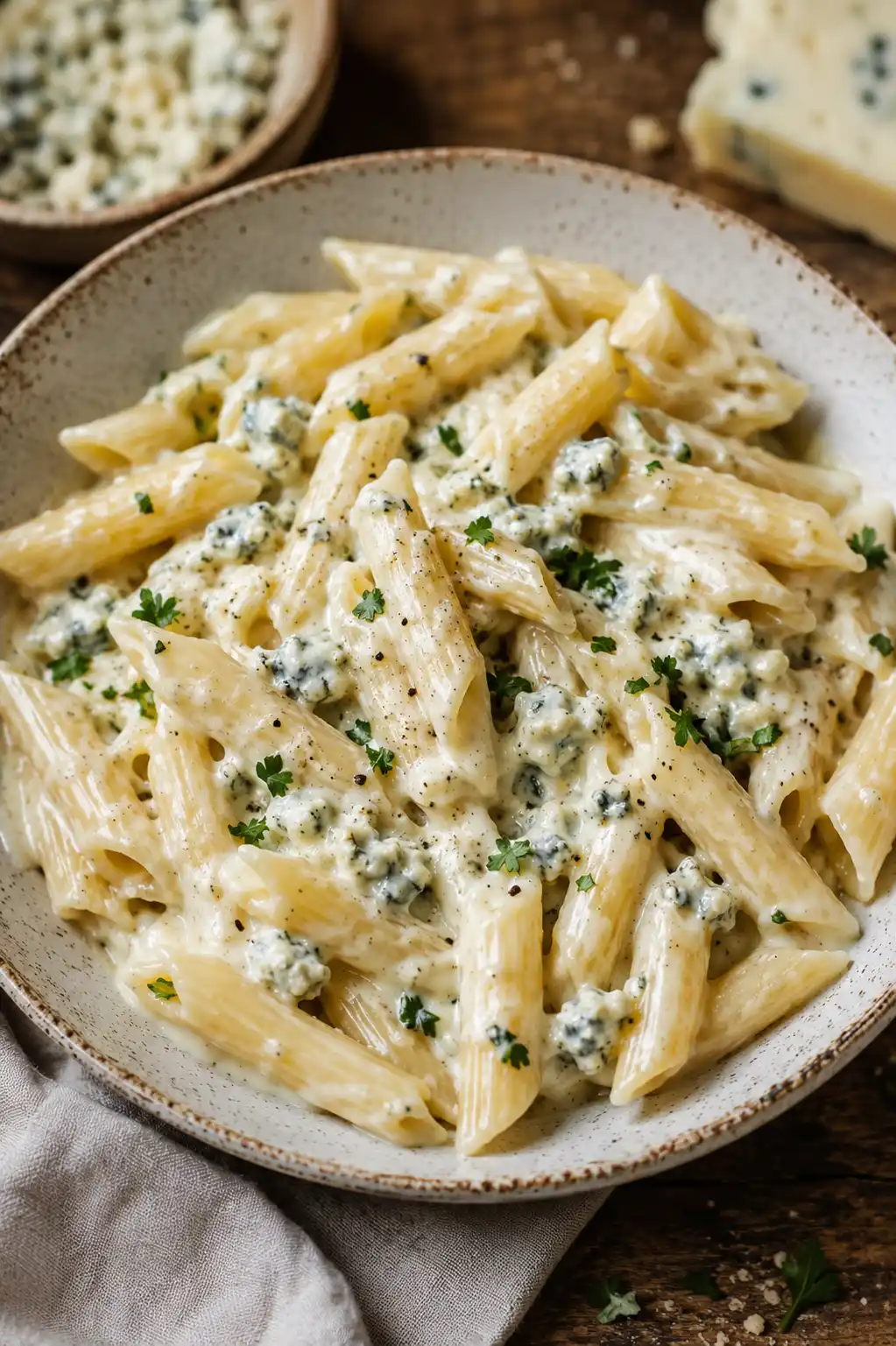
The Jamie Oliver blue cheese pasta recipe stands out as one of the easiest comfort meals for home cooks who crave rich flavor without spending hours in the kitchen. This creamy pasta dish combines bold blue cheese, silky sauce, and perfectly cooked pasta into a meal that feels luxurious while remaining surprisingly simple. Because the recipe uses accessible ingredients and practical cooking methods, many families prepare it regularly for weeknight dinners and cozy gatherings.
Unlike complicated restaurant-style pasta recipes, this version focuses on balance. The blue cheese adds depth and character, yet it doesn’t overpower the dish. Meanwhile, garlic, cream, and pasta water help create a smooth sauce that clings beautifully to every bite. In addition, the recipe can be adapted easily with vegetables, chicken, mushrooms, or walnuts.
Many cooks appreciate how flexible the dish feels. Whether someone prefers mild gorgonzola or stronger stilton, the recipe allows room for creativity. Furthermore, it works with several pasta shapes, making it convenient when pantry options are limited.
For readers interested in Italian-inspired comfort meals, Jamie Oliver’s official website offers additional cooking inspiration and seasonal pasta ideas.
What Makes Jamie Oliver Blue Cheese Pasta Recipe So Popular
This pasta recipe continues gaining popularity because it combines convenience with restaurant-quality flavor. Busy home cooks often search for meals that feel special while remaining easy enough for everyday preparation. Fortunately, this dish checks every box.
Several factors contribute to its wide appeal:
- It takes less than 30 minutes to prepare
- The ingredient list remains short and affordable
- The creamy sauce feels rich without requiring advanced skills
- Blue cheese creates a bold gourmet flavor
- The recipe adapts easily for personal preferences
Another reason people love the dish involves its versatility. Some families add spinach and mushrooms for extra texture, while others prefer grilled chicken or crispy bacon. Therefore, the meal never becomes repetitive.
The balance of flavors also plays a major role. Blue cheese naturally carries salty and tangy notes, but cream softens the intensity. As a result, even people who usually avoid strong cheeses often enjoy the final dish.
Moreover, the recipe works well for different occasions. It’s comforting enough for a cold evening dinner yet elegant enough to serve guests. Since preparation stays straightforward, cooks can focus on enjoying the meal instead of worrying about complicated techniques.
The Origins of Blue Cheese Pasta
Blue cheese pasta has roots in traditional European cooking, especially in Italian and French cuisines, where strong cheeses frequently appear in creamy sauces. Over time, chefs modernized the dish using simple pantry staples that ordinary families could prepare at home.
Italian cooks often pair gorgonzola with pasta because the creamy texture melts smoothly into sauces. Meanwhile, French cuisine embraced cheeses like Roquefort for their bold and earthy characteristics. Eventually, these traditions influenced modern comfort food recipes across the world.
Today, celebrity chefs such as Jamie Oliver popularize simplified versions designed for home kitchens. His cooking style encourages fresh ingredients, relaxed methods, and approachable flavors. Consequently, dishes like blue cheese pasta became favorites among beginner and experienced cooks alike.
The popularity of this pasta also reflects changing food trends. Many people now enjoy stronger cheeses and richer flavors than previous generations. At the same time, they still want recipes that fit busy schedules. Blue cheese pasta satisfies both needs beautifully.
Additionally, social media helped boost the recipe’s visibility. Creamy pasta dishes photograph well, and food bloggers frequently share personal twists on the classic combination. As a result, the recipe continues evolving while maintaining its comforting foundation.
Ingredients Needed for the Recipe
A successful pasta dish begins with quality ingredients. Fortunately, this recipe requires only a handful of essentials, most of which are easy to find in supermarkets.
Main Ingredients
| Ingredient | Quantity |
|---|---|
| Pasta | 400g |
| Blue cheese | 150g |
| Heavy cream | 1 cup |
| Garlic cloves | 2 |
| Butter | 2 tablespoons |
| Olive oil | 1 tablespoon |
| Parmesan cheese | ½ cup |
| Salt | To taste |
| Black pepper | To taste |
| Fresh parsley | Optional garnish |
These ingredients create a creamy, rich, and balanced flavor profile. However, cooks can still personalize the dish with additional items.
Optional Additions
- Spinach
- Mushrooms
- Walnuts
- Grilled chicken
- Crispy bacon
- Caramelized onions
- Sun-dried tomatoes
Fresh ingredients often improve the final flavor dramatically. Therefore, many experienced cooks recommend grating parmesan fresh instead of using packaged varieties.
Choosing high-quality pasta also matters. Bronze-cut pasta tends to hold sauce more effectively because its rough texture helps creamy mixtures cling better.
Choosing the Best Blue Cheese
Blue cheese serves as the heart of this recipe, so selecting the right variety can significantly affect the final result.
Gorgonzola
Gorgonzola remains one of the best choices because it melts smoothly and delivers a mild, creamy taste. Beginners often prefer it because the flavor feels less intense.
Stilton
Stilton creates a richer and sharper sauce. People who enjoy strong cheese flavors may find it especially satisfying.
Roquefort
Roquefort offers a salty and earthy character. Since it’s more powerful, cooks should use it carefully to avoid overpowering the sauce.
Danish Blue
Danish blue cheese balances creaminess and sharpness nicely. It also tends to be more affordable in many grocery stores.
When selecting blue cheese, freshness matters greatly. Softer cheeses melt more evenly and produce smoother sauces. Additionally, storing cheese properly before cooking helps maintain flavor quality.
Kitchen Tools That Make Cooking Easier
Although this recipe doesn’t require fancy equipment, a few reliable kitchen tools simplify the process considerably.
Essential tools include:
- Large pasta pot
- Colander
- Non-stick skillet or sauté pan
- Wooden spoon
- Cheese grater
- Sharp knife
- Measuring cups
Using a large pot allows pasta enough room to cook evenly. Meanwhile, a wide skillet helps the sauce reduce properly without becoming overly thick.
Some cooks also prefer using pasta tongs because they make transferring noodles easier and cleaner. Furthermore, a microplane grater creates finer parmesan shavings that melt quickly into the sauce.
Good kitchen tools don’t just save time; they also improve consistency. Consequently, investing in durable cookware often enhances overall cooking experiences.
Step-by-Step Jamie Oliver Blue Cheese Pasta Recipe
Making this creamy pasta recipe feels surprisingly easy once all ingredients are prepared ahead of time.
Step 1: Boil the Pasta
Fill a large pot with salted water and bring it to a boil. Add pasta and cook until al dente according to package instructions.
Before draining, reserve one cup of pasta water. This starchy liquid helps create a silky sauce later.
Step 2: Prepare the Sauce Base
Heat olive oil and butter in a large skillet over medium heat. Add minced garlic and cook for about one minute until fragrant.
Avoid browning the garlic because burnt garlic can create bitterness.
Step 3: Add Cream and Cheese
Pour heavy cream into the skillet and stir gently. Crumble blue cheese into the pan and allow it to melt slowly.
Then add parmesan cheese while stirring continuously.
Step 4: Combine Pasta and Sauce
Transfer cooked pasta directly into the skillet. Toss thoroughly until every piece becomes coated in creamy sauce.
If the sauce appears too thick, gradually add reserved pasta water.
Step 5: Season and Serve
Add black pepper and adjust salt carefully since blue cheese already contains saltiness.
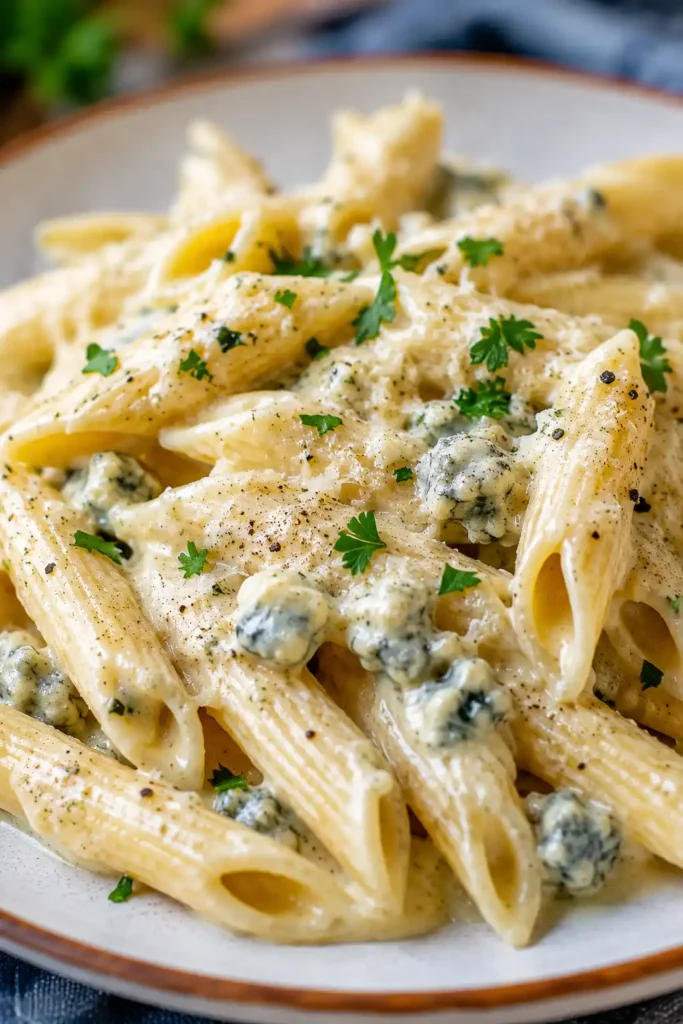
Finally, garnish with parsley and extra parmesan before serving immediately.
Tips for Cooking Pasta Perfectly
Perfect pasta texture can transform an ordinary dish into something memorable. Therefore, several simple techniques deserve attention.
Salt the Water Properly
Pasta water should taste lightly salty. This step seasons the noodles internally instead of relying only on sauce flavor.
Don’t Overcook the Pasta
Al dente pasta holds its structure better and absorbs sauce more effectively. Overcooked noodles often become mushy after mixing with cream sauce.
Reserve Pasta Water
Many home cooks skip this step, yet pasta water works like magic in creamy sauces. The starch helps bind ingredients together naturally.
Stir Occasionally
Gentle stirring prevents noodles from sticking during cooking. However, excessive stirring may damage delicate pasta shapes.
Finish Pasta in the Sauce
Allowing pasta to cook briefly inside the sauce improves flavor absorption dramatically. Consequently, the dish tastes more cohesive and balanced.
How to Create a Smooth and Creamy Sauce
Creamy pasta sauces require balance rather than excessive ingredients. Fortunately, achieving a smooth texture doesn’t demand advanced culinary training.
First, always melt cheese over medium-low heat. High temperatures may cause separation and graininess. Slow melting creates a velvety finish.
Second, adding pasta water gradually improves consistency. Since pasta water contains starch, it naturally thickens the sauce while keeping it glossy.
Third, avoid overcrowding the skillet. A spacious pan helps sauce coat pasta evenly instead of clumping together.
Butter also contributes richness and shine. Meanwhile, parmesan deepens the savory flavor profile without overpowering the blue cheese.
For even smoother texture:
- Crumble cheese into smaller pieces
- Stir continuously
- Use room-temperature cream
- Avoid boiling after adding cheese
These small details make a noticeable difference in the final dish.
Flavor Variations and Additions
One reason this pasta recipe remains popular involves its adaptability. Cooks can easily customize flavors depending on personal preference or seasonal ingredients.
Vegetable Options
Vegetables add freshness and texture to creamy pasta dishes.
Popular choices include:
- Spinach
- Broccoli
- Peas
- Mushrooms
- Roasted peppers
Spinach works especially well because it wilts quickly and balances the richness of the sauce.
Protein Additions
For a heartier meal, proteins fit beautifully into the recipe.
Common additions include:
- Grilled chicken
- Crispy pancetta
- Shrimp
- Steak strips
These proteins turn the pasta into a complete dinner suitable for larger appetites.
Crunchy Toppings
Texture contrast improves creamy dishes significantly.
Excellent topping ideas include:
- Toasted walnuts
- Breadcrumbs
- Pine nuts
- Crispy onions
Adding crunchy elements prevents the meal from feeling overly heavy.
Best Side Dishes to Serve with Blue Cheese Pasta
Since blue cheese pasta feels rich and creamy, lighter side dishes often create the best balance.
Fresh Salads
Simple salads provide freshness and acidity.
Good salad options include:
- Arugula salad
- Caesar salad
- Tomato cucumber salad
- Lemon vinaigrette greens
Acidic dressings cut through creaminess beautifully.
Garlic Bread
Crispy garlic bread remains a classic companion because it pairs naturally with creamy sauces.
Roasted Vegetables
Roasted asparagus, broccoli, or carrots add earthy flavors and nutritional balance.
Soup Starters
Light soups such as tomato basil or vegetable soup can create a comforting multi-course meal.
Pairing sides thoughtfully helps transform a simple pasta recipe into a memorable dining experience.
Common Mistakes to Avoid
Even simple recipes can go wrong when small details get overlooked.
Using Too Much Cheese
Excessive blue cheese may overwhelm the dish and create an overly salty flavor.
Cooking Sauce on High Heat
High temperatures often cause cream sauces to separate. Gentle heat produces a smoother texture.
Forgetting Pasta Water
Skipping reserved pasta water removes one of the easiest ways to improve sauce consistency.
Over-Seasoning Early
Since blue cheese and parmesan already contain salt, seasoning should happen gradually.
Serving Too Late
Cream sauces thicken quickly as they cool. Therefore, serving immediately delivers the best texture and flavor.
Avoiding these mistakes greatly improves overall results, especially for beginner cooks.
Nutritional Information and Health Benefits
Although blue cheese pasta feels indulgent, it still offers nutritional value when enjoyed in moderation.
Nutritional Highlights
| Nutrient | Benefit |
|---|---|
| Protein | Supports muscle health |
| Calcium | Strengthens bones |
| Carbohydrates | Provides energy |
| Healthy fats | Adds satiety |
| Garlic | Contains antioxidants |
Blue cheese also contains beneficial compounds from the fermentation process. Meanwhile, adding vegetables boosts fiber and vitamin content.
Portion balance remains important. Pairing the pasta with salad or vegetables creates a more balanced meal overall.
Additionally, homemade sauces generally contain fewer preservatives compared to packaged alternatives. Therefore, preparing pasta from scratch often improves ingredient quality and freshness.
How to Store and Reheat Leftovers
Blue cheese pasta stores surprisingly well when handled correctly.
Refrigeration
Place leftovers in an airtight container and refrigerate for up to three days.
Reheating Tips
Reheat gently in a skillet over low heat. Add a splash of milk or cream to restore smoothness.
Microwaving works too, though stovetop reheating usually produces better texture.
Freezing
Cream-based sauces may separate after freezing, so refrigeration remains the preferred storage method.
Proper storage helps reduce waste while preserving flavor quality.
Expert Cooking Tips for Better Results
Experienced cooks often rely on small details that dramatically improve pasta dishes.
Use Freshly Grated Cheese
Fresh parmesan melts better and tastes richer than pre-packaged varieties.
Warm the Cream
Cold cream can shock hot pans and affect sauce texture. Slightly warming it beforehand creates smoother blending.
Taste Frequently
Blue cheese varies widely in intensity. Tasting throughout cooking helps maintain balance.
Finish with Herbs
Fresh parsley or thyme adds brightness that complements creamy flavors beautifully.
Serve on Warm Plates
Warm plates help maintain ideal sauce consistency longer during serving.
These techniques may seem minor, yet together they elevate the overall experience considerably.
Why This Recipe Works for Busy Families
Modern families often need meals that balance convenience, affordability, and flavor. Fortunately, this pasta recipe satisfies all three needs.
Preparation takes less than half an hour, making it ideal for hectic evenings. In addition, the ingredient list stays manageable and budget-friendly.
Children who normally avoid strong cheeses may still enjoy the creamy texture, especially when milder blue cheese varieties are used.
The recipe also adapts easily for leftovers or pantry substitutions. Consequently, families can prepare the meal without extensive grocery planning.
Because cleanup remains simple, the recipe reduces kitchen stress as well. One pot for pasta and one skillet for sauce usually handle the entire process.
Serving Ideas for Different Occasions
This versatile pasta dish fits many dining situations.
Weeknight Dinners
Serve with salad and garlic bread for a comforting family meal.
Date Nights
Pair with candles, sparkling water, and roasted vegetables for an elegant atmosphere.
Holiday Gatherings
Small portions work wonderfully as a rich side dish during celebrations.
Casual Lunches
Leftovers make satisfying lunches because flavors deepen overnight.
The flexibility of the recipe ensures it remains useful throughout the year.
Frequently Asked Questions
Can someone make blue cheese pasta without cream?
Yes, many cooks replace cream with milk, mascarpone, or even Greek yogurt for a lighter sauce. Pasta water also helps create creaminess naturally. Although the texture changes slightly, the dish still tastes rich and satisfying. Using softer blue cheeses such as gorgonzola improves melting and keeps the sauce smooth even when heavy cream is omitted from the recipe.
Which pasta shape works best for blue cheese pasta?
Short pasta varieties such as penne, rigatoni, and fusilli work especially well because their shapes trap creamy sauce effectively. However, long pasta like fettuccine or spaghetti also performs beautifully. Many chefs prefer ridged pasta because it holds sauce more efficiently, creating balanced flavor in every bite and improving the overall eating experience.
Is blue cheese pasta very strong in flavor?
The flavor depends heavily on the cheese variety used. Mild gorgonzola creates a gentle creamy taste, while stilton or Roquefort produce bolder results. Cream and parmesan help soften the sharpness significantly. Therefore, even people who usually avoid blue cheese often enjoy this pasta because the flavors become balanced and smooth rather than overpowering.
Can leftovers be reheated successfully?
Yes, leftovers reheat quite well when warmed gently over low heat. Adding a small splash of milk or cream restores the sauce’s creamy texture. Microwaving can work in a pinch, though stovetop reheating produces better consistency. Storing leftovers in airtight containers also helps preserve freshness and prevents the pasta from drying out too quickly.
What proteins pair best with blue cheese pasta?
Grilled chicken, shrimp, steak strips, pancetta, and crispy bacon pair wonderfully with blue cheese pasta. Their savory flavors complement the creamy sauce while adding extra texture and heartiness. Many home cooks also add roasted salmon or turkey for healthier alternatives. The recipe’s flexibility makes it easy to customize depending on dietary needs and preferences.
How can someone reduce the richness of the sauce?
Adding vegetables such as spinach, broccoli, or peas helps lighten the overall dish naturally. Lemon juice or fresh herbs can also brighten flavors and reduce heaviness. Some cooks replace part of the cream with milk or reserved pasta water. Serving smaller portions alongside fresh salads creates balance while still allowing the pasta to remain satisfying and flavorful.
Conclusion
The Jamie Oliver blue cheese pasta recipe proves that comforting meals don’t need complicated ingredients or difficult techniques. With creamy sauce, bold cheese flavor, and endless customization options, this dish offers a perfect balance of simplicity and indulgence.
Whether prepared for a busy weeknight dinner or a cozy gathering with friends, the recipe consistently delivers satisfying results. Moreover, its flexibility allows cooks to experiment confidently with vegetables, proteins, and different cheese varieties.
By following a few essential techniques—such as reserving pasta water, cooking gently, and balancing flavors carefully—anyone can create restaurant-quality pasta at home. Ultimately, this recipe continues earning popularity because it transforms ordinary ingredients into something deeply comforting, flavorful, and memorable.
Print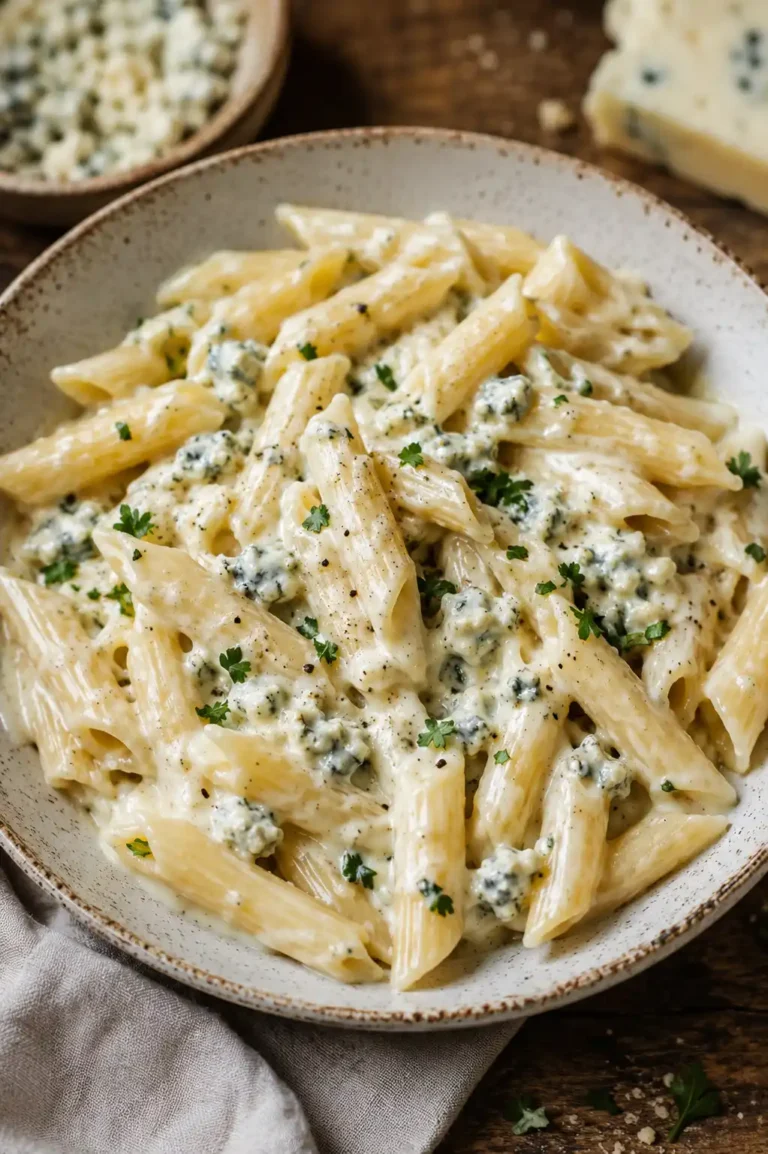
Jamie Oliver Blue Cheese Pasta Recipe
This Jamie Oliver-inspired blue cheese pasta recipe is a rich, creamy, and comforting dish perfect for busy weeknights or cozy dinners. Made with tender pasta, melted blue cheese, garlic, cream, and parmesan, this flavorful recipe comes together quickly while delivering restaurant-quality taste at home. The bold cheese flavor balances beautifully with the silky sauce for an irresistible pasta dinner.
- Total Time: 30 minutes
- Yield: 4 servings
Ingredients
- 400g penne pasta
- 150g blue cheese or gorgonzola, crumbled
- 1 cup heavy cream
- 2 garlic cloves, minced
- 2 tablespoons butter
- 1 tablespoon olive oil
- ½ cup grated Parmesan cheese
- Salt, to taste
- Freshly ground black pepper, to taste
- Fresh parsley, chopped for garnish
- ½ cup reserved pasta water
Optional Additions:
- Spinach
- Mushrooms
- Crispy bacon
- Grilled chicken
- Toasted walnuts
Instructions
- Bring a large pot of salted water to a boil and cook the pasta until al dente according to package instructions. Reserve ½ cup pasta water before draining.
- Heat olive oil and butter in a large skillet over medium heat. Add minced garlic and sauté for about 1 minute until fragrant.
- Pour in the heavy cream and stir gently. Add the crumbled blue cheese and parmesan cheese, stirring until fully melted and smooth.
- Add cooked pasta to the skillet and toss well to coat evenly in the creamy sauce.
- Gradually add reserved pasta water if the sauce becomes too thick.
- Season with black pepper and salt if needed.
- Garnish with chopped parsley and extra parmesan before serving hot.
Notes
- Gorgonzola creates a milder and creamier flavor.
- Avoid boiling the sauce after adding cheese to prevent splitting.
- Reserved pasta water helps create a silky texture.
- Add spinach or mushrooms for extra flavor and nutrition.
- Serve immediately for the best creamy consistency.
- Prep Time: 10 minutes
- Cook Time: 20 minutes
- Category: Dinner
- Method: Stovetop
- Cuisine: Italian
- Diet: Vegetarian