Nigella Vegetarian Moussaka Recipe for Cozy Dinners
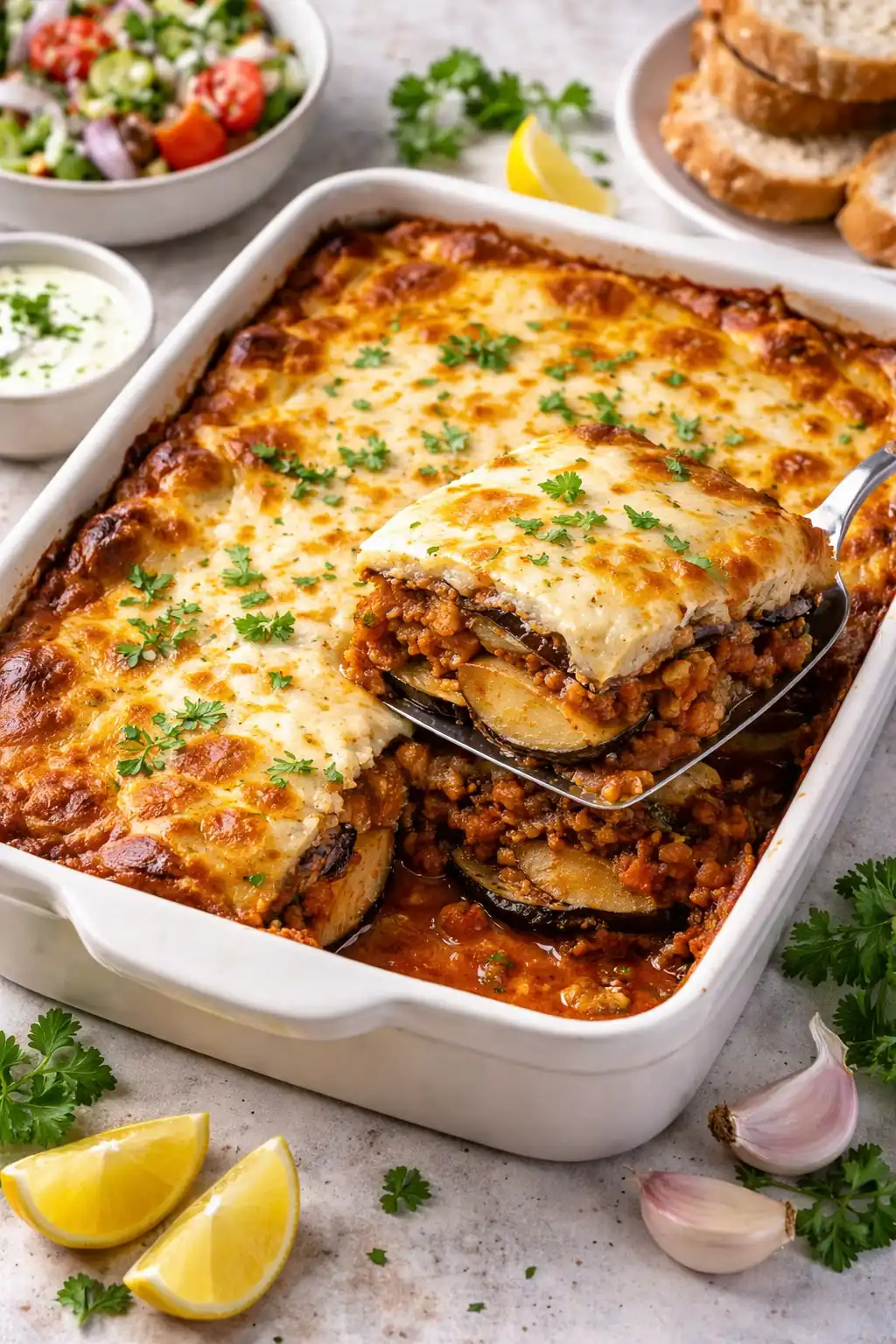
The Nigella vegetarian moussaka recipe is a hearty Mediterranean-inspired bake filled with layers of roasted vegetables, savory tomato sauce, and creamy béchamel. It offers all the comforting richness of traditional moussaka without using meat. Because of its layered texture and deep flavors, this dish has become a favorite among families who enjoy satisfying vegetarian meals.
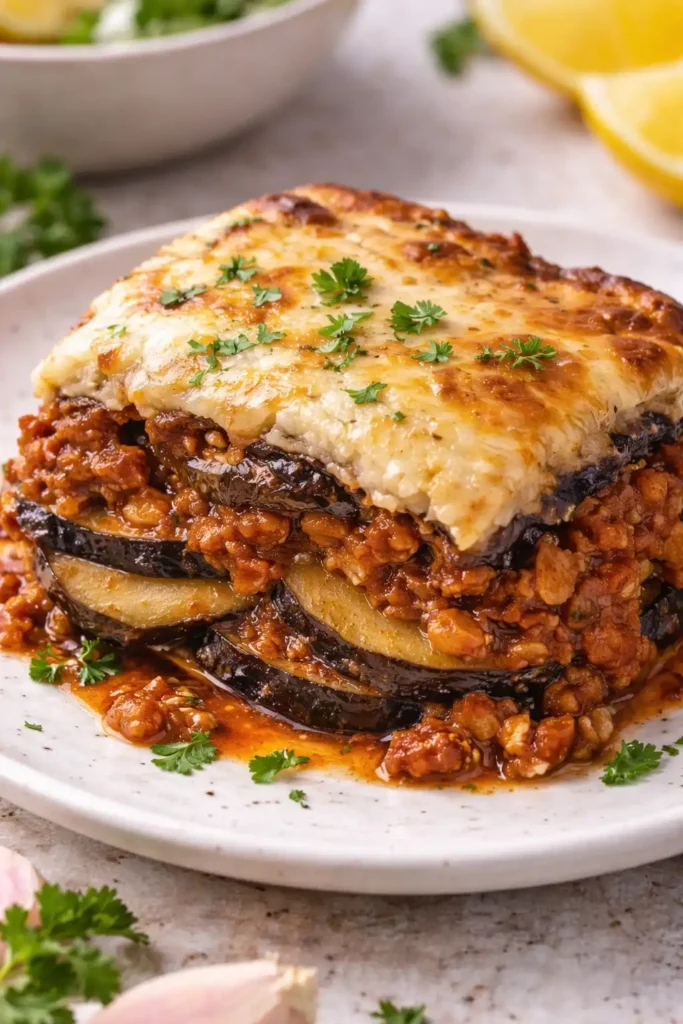
Unlike many vegetable casseroles, this recipe feels luxurious while still being approachable for home cooks. The roasted eggplants become soft and silky, while the tomato filling develops a rich flavor from herbs, onions, and garlic. On top, the golden béchamel sauce creates a smooth and creamy finish that balances the acidity of the tomatoes beautifully.
Many cooks appreciate this recipe because it’s flexible. It works for casual weeknight dinners, meal prep, or even festive gatherings. In addition, it can easily be adapted to suit dietary preferences. The combination of vegetables and warm spices creates a dish that feels comforting without becoming overly heavy.
For readers interested in Mediterranean cuisine, the official Nigella website offers additional inspiration and cooking ideas from Nigella Lawson.
What Makes This Vegetarian Moussaka Special
Several factors make this recipe stand out from ordinary baked vegetable dishes. First, the layered structure creates contrast in every bite. Instead of mixing everything together, each layer keeps its own texture and flavor profile.
Key highlights include:
- Roasted eggplants that turn buttery and soft
- Rich tomato sauce infused with herbs
- Creamy béchamel topping with golden edges
- Balanced seasoning without overwhelming spices
- Comfort-food texture with Mediterranean freshness
Another reason the Nigella vegetarian moussaka recipe remains popular is its versatility. Some people add lentils for extra protein, while others include zucchini or potatoes. Yet the heart of the dish remains the same: slow-cooked comfort with elegant presentation.
Additionally, this recipe appeals to people who want meat-free meals that still feel indulgent. The umami flavors of tomatoes, onions, garlic, and roasted vegetables naturally provide depth.
Origins of Traditional Moussaka
Moussaka has deep roots in Mediterranean and Middle Eastern cooking traditions. While many associate it with Greece, similar layered dishes appear across several regions. Traditional versions often include minced lamb or beef layered with eggplant and topped with béchamel sauce.
Over time, vegetarian adaptations became increasingly popular. Home cooks started replacing meat with lentils, mushrooms, or extra vegetables while maintaining the same comforting structure.
Classic Greek moussaka usually contains:
- Eggplant slices
- Meat sauce
- Potatoes
- Béchamel topping
- Cinnamon or allspice
The vegetarian version keeps the spirit of the original alive while offering a lighter approach. In fact, many people now prefer vegetable-based moussaka because the roasted vegetables absorb flavors beautifully.
Moreover, modern cooks appreciate how the recipe aligns with Mediterranean eating habits, which often focus on vegetables, olive oil, and herbs.
Key Ingredients for the Perfect Dish
The success of the Nigella Lawson vegetarian moussaka recipe depends heavily on ingredient quality. Fresh produce and balanced seasoning make a noticeable difference.
Main Ingredients
| Ingredient | Purpose |
|---|---|
| Eggplants | Provide soft, creamy layers |
| Potatoes | Add structure and heartiness |
| Onion & Garlic | Build aromatic flavor |
| Tomatoes | Create rich sauce base |
| Olive Oil | Enhances Mediterranean taste |
| Herbs | Add freshness and complexity |
| Milk & Butter | Form creamy bechamel |
| Flour | Thickens the sauce |
| Cheese | Adds golden crust |
Fresh herbs such as oregano and parsley brighten the overall flavor. Meanwhile, cinnamon or nutmeg can introduce subtle warmth without overpowering the vegetables.
Good olive oil is equally important. Since Mediterranean recipes rely on simple ingredients, the quality of the oil significantly affects the final taste.
Choosing the Best Eggplants
Eggplants are the star ingredient in this recipe, so selecting them carefully matters. Small to medium eggplants usually work best because they contain fewer seeds and less bitterness.
When shopping, look for:
- Smooth shiny skin
- Firm texture
- Heavyweight for size
- Bright green stem
Avoid eggplants with wrinkles or soft spots. Those signs often indicate age or moisture loss.
Before cooking, many people salt the slices lightly. This step helps draw out excess moisture and improve texture during roasting. Although modern eggplants tend to be less bitter than older varieties, salting still enhances consistency.
Roasting rather than frying also keeps the dish lighter while intensifying flavor naturally.
Essential Kitchen Tools
Preparing moussaka becomes easier with the right kitchen tools. Fortunately, most home cooks already own everything needed.
Helpful tools include:
- Large baking dish
- Sharp chef’s knife
- Cutting board
- Saucepan
- Roasting trays
- Whisk
- Mixing bowls
A mandoline slicer can also help create evenly sliced vegetables. Uniform slices ensure even cooking throughout the dish.
Additionally, a deep baking dish helps maintain distinct layers without spilling during baking.
Preparing the Vegetables Properly
Vegetable preparation affects both texture and flavor. Many rushed recipes skip roasting steps, but careful preparation creates the signature richness associated with authentic moussaka.
Steps for Vegetable Preparation
- Slice eggplants evenly
- Salt lightly and rest for 20 minutes
- Pat dry thoroughly
- Brush with olive oil
- Roast until golden
Potatoes should also be partially cooked before layering. Otherwise, they may remain firm after baking.
Meanwhile, onions should cook slowly until soft and sweet. Quick cooking leaves harsh flavors behind, which can disrupt the balance of the sauce.
These small details may seem minor, yet they dramatically improve the final dish.
Making the Rich Tomato Filling
A flavorful tomato filling requires patience. Rather than rushing the sauce, allowing it to simmer slowly creates a deeper and sweeter taste.
Basic Filling Ingredients
- Olive oil
- Onion
- Garlic
- Crushed tomatoes
- Tomato paste
- Oregano
- Cinnamon
- Black pepper
Some cooks also add lentils or mushrooms for a meatier texture. Lentils work especially well because they absorb seasonings beautifully while adding protein.
The sauce should remain thick rather than watery. Excess liquid can make the finished moussaka collapse when sliced.
As the sauce cooks, the aroma becomes rich and slightly sweet. The herbs blend with tomatoes, while garlic adds warmth in the background.
Crafting the Creamy Bechamel Sauce
The béchamel layer gives moussaka its iconic finish. Smooth and creamy, it balances the richness underneath while forming a golden crust during baking.
Simple Bechamel Process
- Melt butter gently
- Whisk in flour
- Add warm milk slowly
- Stir continuously
- Season with nutmeg and pepper
Consistency matters greatly. The sauce should coat the back of a spoon without becoming overly thick.
Adding cheese creates a richer topping and encourages browning. Parmesan works particularly well because it adds salty depth without overwhelming the dish.
The béchamel should spread evenly across the surface, sealing the layers underneath.
Step-by-Step Nigella Vegetarian Moussaka Recipe
Ingredients
1. For the Vegetables
- 2 large eggplants
- 3 potatoes
- Olive oil
- Salt and pepper
2. For the Tomato Filling
- 1 onion, chopped
- 3 garlic cloves
- 1 can chopped tomatoes
- 2 tablespoons tomato paste
- 1 teaspoon oregano
- ½ teaspoon cinnamon
- 1 cup cooked lentils
3. For the Bechamel
- 4 tablespoons butter
- 4 tablespoons flour
- 2½ cups milk
- Nutmeg
- ½ cup grated cheese
Method
Step 1: Roast the Vegetables
Slice the eggplants and potatoes evenly. Brush lightly with olive oil and roast until tender and golden.
Step 2: Prepare the Filling
Cook onions until soft, then add garlic and tomatoes. Stir in lentils and seasonings. Simmer until thick.
Step 3: Make the Béchamel
Prepare the white sauce by whisking butter, flour, and milk together until smooth. Add cheese and seasoning.
Step 4: Assemble the Layers
Layer potatoes first, then eggplants, followed by tomato filling. Repeat once more.
Step 5: Add the Topping
Spread béchamel evenly over the top.
Step 6: Bake
Bake until golden brown and bubbling around the edges.
Allow the dish to rest before slicing. This helps the layers hold together neatly.
Common Mistakes to Avoid
Even experienced cooks sometimes encounter problems with moussaka. Thankfully, most issues are easy to prevent.
Frequent Errors
| Mistake | Result |
|---|---|
| Watery sauce | Soggy layers |
| Undercooked potatoes | Firm texture |
| Thin béchamel | Runny topping |
| Too much oil | Greasy finish |
| Skipping resting time | Messy slices |
Overcrowding roasting trays is another common problem. Vegetables need space to caramelize properly rather than steam.
Likewise, seasoning every layer lightly creates a better balance than adding all the seasoning at once.
Tips for Extra Flavor and Texture
Several simple techniques can elevate the recipe significantly.
Helpful Flavor Tips
- Roast vegetables until deeply golden
- Add cinnamon sparingly for warmth
- Use fresh oregano when possible
- Let the sauce simmer slowly
- Rest the baked dish before serving
Some cooks also sprinkle breadcrumbs on top for extra crunch. Others add feta cheese between layers for tangy richness.
Furthermore, smoked paprika introduces subtle depth without overpowering Mediterranean flavors.
Healthy Benefits of Vegetarian Moussaka
Although moussaka feels indulgent, the vegetarian version contains many nutritious ingredients.
Nutritional Highlights
| Ingredient | Benefit |
|---|---|
| Eggplants | High in fiber |
| Tomatoes | Rich in antioxidants |
| Olive oil | Healthy fats |
| Lentils | Plant protein |
| Garlic | Supports immunity |
Because the dish relies heavily on vegetables, it offers satisfying texture while remaining relatively balanced.
Additionally, roasted vegetables contain natural sweetness that reduces the need for excessive fat or sugar.
Serving Suggestions and Side Dishes
This dish pairs wonderfully with fresh Mediterranean-inspired sides.
Recommended Pairings
- Greek salad
- Garlic bread
- Couscous
- Lemon rice
- Roasted green beans
A crisp salad balances the creamy richness of the béchamel beautifully. Meanwhile, crusty bread helps soak up the flavorful tomato sauce.
For gatherings, moussaka also works well alongside mezze platters featuring olives, hummus, and roasted peppers.
Storage, Freezing, and Reheating Tips
One reason people love this recipe is its convenience for meal prep.
Storage Tips
- Refrigerate up to 4 days
- Freeze individual portions
- Reheat covered for best texture
Interestingly, many people believe moussaka tastes even better the next day. As the flavors settle together overnight, the dish becomes richer and more cohesive.
When reheating, gentle oven warming preserves texture better than microwaving.
Variations and Creative Additions
The recipe can easily adapt to different preferences.
Popular Variations
- Add zucchini layers
- Use sweet potatoes
- Include mushrooms
- Make it vegan with plant milk
- Add feta cheese
Some cooks even use chickpeas for extra protein and texture.
Meanwhile, vegan béchamel made from oat milk and olive oil still produces a creamy topping with satisfying flavor.
Expert Tips for Authentic Mediterranean Taste
Authentic Mediterranean cooking focuses on simplicity and balance rather than complicated techniques.
Professional Suggestions
- Use quality olive oil
- Avoid over-seasoning
- Roast instead of fry
- Use fresh herbs whenever possible
- Allow resting time after baking
Mediterranean dishes often rely on patience. Slow cooking helps ingredients develop natural sweetness and complexity without needing heavy sauces.
Additionally, serving moussaka warm rather than piping hot improves texture and flavor clarity.
FAQs About Nigella Lawson Vegetarian Moussaka
1. Can vegetarian moussaka be made ahead of time?
Yes, vegetarian moussaka is actually an excellent make-ahead dish because the flavors become richer after resting overnight in the refrigerator. Many home cooks prepare the full casserole one day before serving and simply reheat it before dinner. The layers settle beautifully, making it easier to slice neatly. Store it tightly covered in the fridge for up to four days, or freeze portions for longer storage and convenient meal prep.
2. What can be used instead of lentils in vegetarian moussaka?
Lentils can easily be replaced with mushrooms, chickpeas, walnuts, or plant-based mince if desired. Mushrooms are especially popular because they create a rich and hearty texture similar to traditional meat-based moussaka. Chickpeas add extra protein and a slightly nutty flavor, while walnuts provide depth and texture. The recipe remains flexible, allowing cooks to customize ingredients according to dietary needs and personal taste preferences.
3. Why does moussaka sometimes turn watery after baking?
Watery moussaka usually happens when vegetables release too much moisture during baking. Eggplants naturally contain water, so roasting or salting them beforehand helps remove excess liquid. Another common cause is a tomato sauce that hasn’t simmered long enough to thicken properly. Allowing the baked dish to rest for at least 20 minutes before slicing also helps the layers firm up and prevents excess liquid from spreading onto the plate.
4. Can vegetarian moussaka be frozen successfully?
Yes, vegetarian moussaka freezes very well both before and after baking. To freeze, allow the dish to cool completely, then wrap it tightly in foil or store portions in airtight containers. It can usually stay fresh in the freezer for up to three months. When reheating, thaw overnight in the refrigerator and warm in the oven until heated through. This method helps maintain the creamy béchamel texture and layered consistency.
5. What side dishes pair best with vegetarian moussaka?
Vegetarian moussaka pairs wonderfully with fresh Mediterranean side dishes that balance its rich and creamy texture. Greek salad, roasted vegetables, crusty bread, couscous, or lemon rice are all excellent choices. A light cucumber yogurt dip or tzatziki can also add freshness to the meal. Since moussaka is hearty and filling, simple side dishes with crisp textures and bright flavors usually create the most balanced dining experience.
6. Is vegetarian moussaka considered healthy?
Vegetarian moussaka can absolutely be part of a balanced diet because it contains nutrient-rich vegetables, olive oil, lentils, and tomato-based sauce. Eggplants provide fiber and antioxidants, while lentils contribute plant protein and minerals. Roasting instead of frying helps reduce excess oil, making the dish lighter without sacrificing flavor. Although the béchamel sauce adds richness, portion control and fresh ingredients keep the recipe wholesome and satisfying overall.
7. How do you achieve a golden béchamel topping?
A beautifully golden béchamel topping comes from proper baking temperature and the addition of grated cheese. Parmesan or similar hard cheeses help create a rich browned surface during baking. Positioning the dish near the top oven rack for the final few minutes can also enhance browning. However, it’s important not to overcook the sauce, as it may dry out. The ideal topping should look creamy, lightly crisp, and evenly golden.
8. Can this recipe be made completely vegan?
Yes, vegetarian moussaka can easily be adapted into a vegan-friendly meal with a few ingredient swaps. Replace butter with olive oil or vegan butter, use unsweetened plant-based milk for the béchamel, and substitute dairy cheese with vegan alternatives or nutritional yeast. Lentils, mushrooms, and roasted vegetables already provide hearty texture and flavor naturally. The result remains creamy, comforting, and delicious while being fully plant-based and dairy-free.
Conclusion
The Nigella vegetarian moussaka recipe combines rich Mediterranean flavors with comforting homemade texture. From silky roasted eggplants to creamy béchamel topping, every layer contributes something special to the final dish.
Its flexibility makes it perfect for modern kitchens. Whether prepared for family dinners, meal prep, or special occasions, this vegetarian version delivers warmth, flavor, and satisfaction without relying on meat.
Moreover, the recipe encourages cooks to slow down and enjoy the process. Roasting vegetables carefully, simmering tomato sauce patiently, and layering ingredients thoughtfully all contribute to the final result.
For anyone searching for a hearty vegetarian meal with timeless Mediterranean charm, this recipe remains a reliable and delicious choice.
For more Mediterranean cooking inspiration and classic recipes, visit BBC Good Food.
Print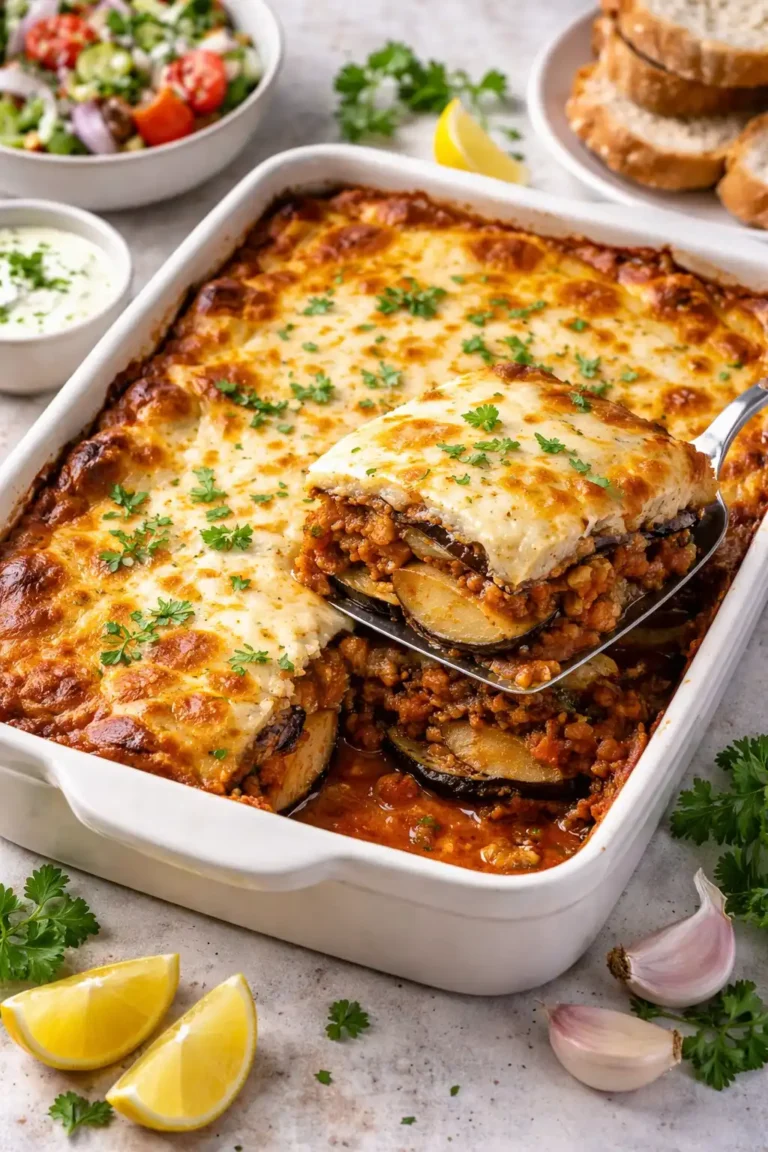
Nigella Vegetarian Moussaka Recipe
This Nigella vegetarian moussaka recipe is a rich and comforting Mediterranean-inspired dish layered with roasted eggplant, tender potatoes, hearty tomato lentil sauce, and creamy golden béchamel. Perfect for family dinners or special gatherings, this meat-free classic delivers bold flavor, satisfying texture, and wholesome ingredients in every bite.
- Total Time: 1 Hour 35 Minutes
- Yield: 6 servings
Ingredients
For the Vegetables
- 2 large eggplants, sliced
- 3 medium potatoes, sliced
- 3 tablespoons olive oil
- Salt and black pepper to taste
For the Tomato Lentil Filling
- 1 tablespoon olive oil
- 1 large onion, finely chopped
- 3 garlic cloves, minced
- 1 can chopped tomatoes
- 2 tablespoons tomato paste
- 1 cup cooked lentils
- 1 teaspoon dried oregano
- ½ teaspoon ground cinnamon
- ½ teaspoon paprika
- Salt and pepper to taste
For the Béchamel Sauce
- 4 tablespoons butter
- 4 tablespoons plain flour
- 2½ cups milk
- ½ teaspoon nutmeg
- ½ cup grated Parmesan cheese
- Salt and pepper to taste
Instructions
- Preheat the oven to 200°C (400°F).
- Arrange sliced eggplants and potatoes on baking trays. Brush with olive oil, season lightly, and roast for 25 minutes until tender and lightly golden.
- Heat olive oil in a pan over medium heat. Cook onions until soft, then add garlic and stir for 1 minute.
- Add chopped tomatoes, tomato paste, lentils, oregano, cinnamon, paprika, salt, and pepper. Simmer for 15–20 minutes until thickened.
- Melt butter in a saucepan for the béchamel. Whisk in flour and cook for 1 minute.
- Gradually pour in milk while whisking continuously until smooth and creamy.
- Add nutmeg, Parmesan cheese, salt, and pepper. Stir until thickened.
- Layer potatoes in a baking dish, followed by eggplant and tomato lentil filling. Repeat layers.
- Spread béchamel sauce evenly over the top.
- Bake for 35–40 minutes until golden brown and bubbling.
- Allow the moussaka to rest for 20 minutes before slicing and serving.
Notes
- Salting the eggplant before roasting helps remove excess moisture.
- Letting the dish rest improves texture and cleaner slices.
- Lentils can be replaced with mushrooms for variation.
- Fresh oregano adds extra Mediterranean flavor.
- This dish tastes even better the next day.
- Prep Time: 30 minutes
- Cook Time: 1 Hour 5 Minutes
- Category: Main Course
- Method: Baking
- Cuisine: Greek, Mediterranean
- Diet: Vegetarian